
DIY Natural All-Purpose Cleaners: Eco-Friendly Solutions
When I first noticed the red, itchy patches on my hands after cleaning the bathroom one Sunday afternoon, I didn’t immediately connect it to my cleaning products. But as an engineer, I couldn’t help but investigate further. What I discovered shocked me – the conventional cleaners I’d been using contained a cocktail of harsh chemicals, many of which have been linked to respiratory issues, skin irritation, and even hormone disruption according to the Environmental Working Group.1
That discovery sent me down a rabbit hole of research, testing, and experimentation that completely transformed how I clean my home. I’ve spent countless hours in my kitchen mixing different natural ingredient combinations, testing their effectiveness against tough messes, and perfecting formulas that actually work!
These DIY natural all-purpose cleaners have not only saved me from exposure to harsh chemicals but also saved me hundreds of dollars each year. Plus, they’re incredibly easy to make with ingredients you probably already have in your pantry. Let me show you how to create effective, natural cleaning solutions that will leave your home sparkling clean without the worry!
Why Switch to DIY Natural All-Purpose Cleaners?
I’ll be honest – I was skeptical at first. Would vinegar and baking soda really clean as well as my store-bought products with their powerful fragrances and promises of germ-killing abilities? As it turns out, yes! And there are so many compelling reasons to make the switch.
1. Health Benefits
First and foremost is health. The EPA reports that indoor air pollution is often 2-5 times worse than outdoor air, with household cleaners being a significant contributor.2 Conventional cleaners often contain volatile organic compounds (VOCs) that can trigger asthma attacks, headaches, and other respiratory issues.
2. Eco-Friendly Choice
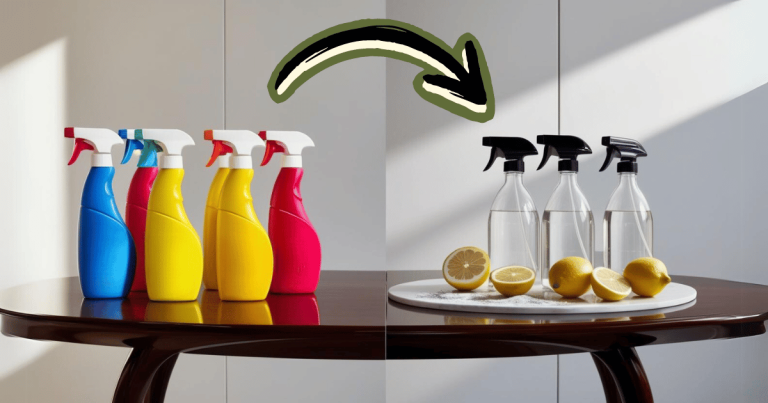
Most store-bought cleaners come in plastic bottles and contain synthetic chemicals that eventually end up in waterways, harming marine life. Using a homemade cleaner helps reduce plastic waste and environmental pollution.
3. Budget-Friendly
A bottle of homemade cleaner costs significantly less than its commercial counterpart. Most DIY recipes require ingredients you likely already have at home, such as vinegar, baking soda, and water.
For more money-saving substitutions, check out my guide to the best cleaning product alternatives for every room in your home.
4. Customizable & Versatile
When you make your own cleaner, you can adjust the ingredients based on your needs. Want a citrus-scented cleaner? Add orange or lemon essential oil. Need a stronger disinfectant? Use tea tree or eucalyptus oil.
Essential Ingredients for Natural Cleaning
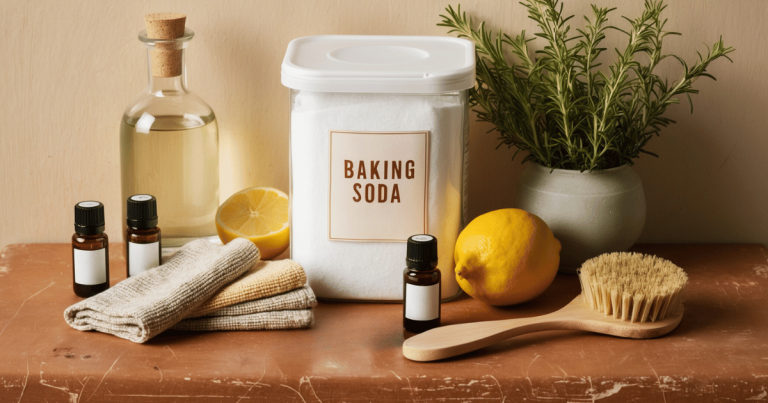
Before diving into recipes, let’s talk about the workhorses that power natural cleaning. You’ll be amazed at how just a few simple ingredients can tackle almost any cleaning challenge in your home.
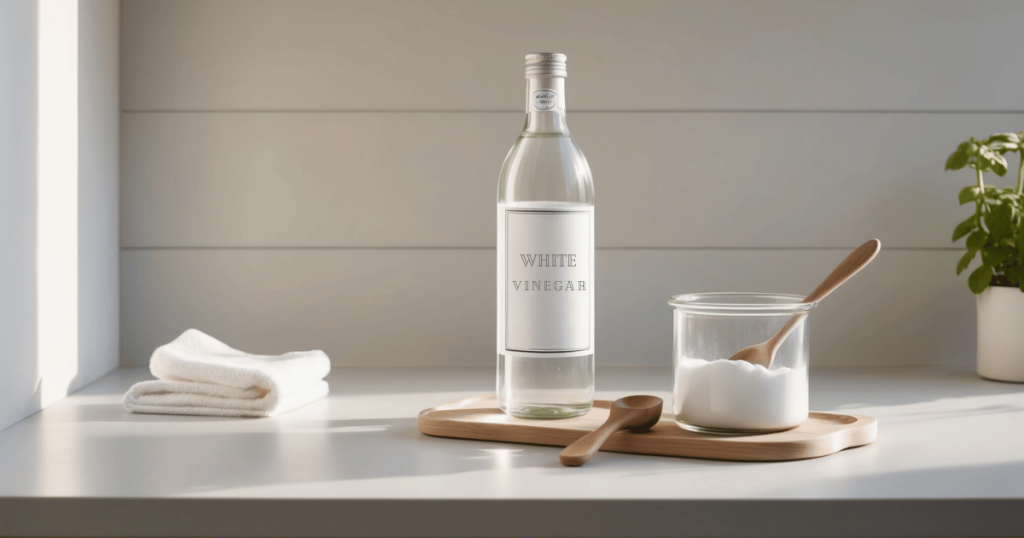
White Vinegar: This is absolutely my MVP of natural cleaning. The acetic acid in vinegar (typically 5% concentration in store-bought white vinegar) is what gives it its cleaning power. It cuts through grease, dissolves mineral deposits, and has antimicrobial properties that can kill certain bacteria and mold.3 I buy it by the gallon for around $3-4, which makes it incredibly economical.
Baking Soda (Sodium Bicarbonate): This gentle abrasive is perfect for scrubbing without scratching. Its alkaline nature helps neutralize acidic odors and stains (like those tomato sauce splatters all over my stovetop!). At around $1 per box, it’s another budget-friendly superstar.
Castile Soap: My go-to is Dr. Bronner’s, though there are other brands available. This plant-based soap is biodegradable and incredibly versatile. The fatty acids in castile soap bind with dirt and grease, allowing them to be rinsed away with water.4
Essential Oils: These aren’t just for nice scents – many have actual antimicrobial properties! Tea tree, lavender, and citrus oils like lemon and orange are particularly effective. Studies have shown that tea tree oil has antifungal and antibacterial properties, making it a valuable addition to homemade cleaners.5
Hydrogen Peroxide: This is my secret weapon for natural disinfecting. It breaks down into water and oxygen, making it environmentally friendly while still being effective against many germs.
Fresh Citrus Peels: Don’t throw away those lemon, lime, or orange peels! The natural oils in citrus peels contain d-limonene, which is an excellent degreaser.
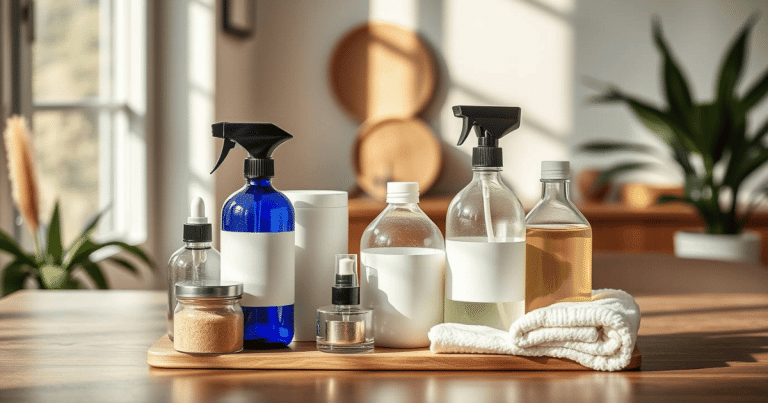
A quick note on storage: Always store your homemade cleaners in dark bottles (amber or blue glass is ideal) if they contain essential oils or citrus, as light can degrade these ingredients. And while vinegar is shelf-stable, cleaners containing water should be used within 1-2 weeks unless you add a natural preservative.
I learned this lesson the hard way when I made a huge batch of cleaner and stored it in a clear bottle on my sunny windowsill. Within a week, it had lost most of its effectiveness and scent!
Basic Vinegar-Based All-Purpose Cleaner Recipe
This is my daily go-to cleaner that handles about 90% of the messes in my home. It’s so simple you might be skeptical, but trust me – it works!
Ingredients:
- 1 cup white vinegar (acts as a natural disinfectant)
- 1 cup distilled water (prevents residue buildup)
- 1 tablespoon baking soda (helps cut grease and grime)
- 10 drops essential oil (tea tree, lemon, or lavender for antibacterial properties)
Instructions:
- Combine the vinegar, water, and essential oil in a spray bottle.
- Slowly add baking soda (it will fizz—this is normal!).
- Shake gently before each use.
That’s it! This solution costs me about $0.50 per bottle and works beautifully on countertops, sinks, most bathroom surfaces, and even floors.
The proper dilution ratio is important here. I’ve experimented with different concentrations, and a 1:1 ratio of vinegar to water provides enough cleaning power without being too harsh on surfaces. If you’re dealing with really tough grime, you can increase the vinegar slightly, but be careful on delicate surfaces.
This cleaner is safe for most surfaces, but AVOID using it on granite, marble, or natural stone countertops, as the acidity can etch the surface over time. I learned this lesson when I noticed dull spots appearing on my friend’s beautiful granite island after she used my cleaner! Also avoid using it on hardwood floors or electronics.
If you’re concerned about the vinegar smell, don’t worry! It dissipates quickly as it dries. Adding essential oils not only masks any residual vinegar scent but also enhances the cleaning power. Lemon oil, for instance, is known for its antibacterial properties and gives an extra boost to the grease-cutting abilities of this cleaner.
Citrus-Infused Vinegar Cleaner for Extra Cleaning Power
When I’m facing tougher cleaning challenges, this upgraded version of the basic vinegar cleaner is my secret weapon. The natural oils in citrus peels give it extra grease-cutting abilities that are perfect for kitchen messes.
I discovered this recipe by accident when I was looking for ways to use up orange peels after making fresh juice. Now I keep a jar going at all times!
Ingredients:
- Peels from 4-5 citrus fruits (oranges, lemons, limes, grapefruit, or a mix)
- White vinegar (enough to cover the peels)
- Water for dilution
- 5-10 drops essential oil (optional)
Instructions:
- Save your citrus peels in a clean glass jar (I use a quart-sized Mason jar).
- Cover completely with white vinegar.
- Seal and let sit for 1-2 weeks, shaking occasionally.
- Strain out the peels (I compost mine).
- Dilute the infused vinegar 1:1 with water to create your cleaner.
- Transfer to a spray bottle and use as needed.
The waiting is the hardest part, but it’s so worth it! The d-limonene from the citrus peels infuses into the vinegar, creating a powerful cleaning agent that cuts through greasy messes with ease.
I’ve tested different citrus types and found that oranges and grapefruits provide the best degreasing power, while lemons offer the freshest scent. For kitchen cleaning, I prefer orange or grapefruit infusions. For bathrooms, lemon or lime work beautifully.
One important thing I’ve learned through trial and error: this cleaner should still be diluted before use, especially on finished surfaces. The concentrated citrus-infused vinegar can be too strong and potentially damage some finishes.
In my testing, this citrus-infused cleaner outperformed the basic version on greasy stovetops, removing baked-on splatters with less scrubbing. It also worked wonders on sticky residue left behind by labels and tape.
Castile Soap All-Purpose Cleaner for Tougher Jobs
While vinegar is amazing, there are times when a soap-based cleaner is more appropriate. I reach for this castile soap recipe when:
- I’m cleaning natural stone surfaces that vinegar could damage
- I need extra grease-cutting power for kitchen messes
- I want a cleaner that leaves surfaces with a bit more shine
Soap works through a different cleaning mechanism than vinegar. While vinegar dissolves mineral deposits and disinfects through its acidity, soap molecules have a hydrophilic (water-loving) end and a hydrophobic (water-repelling) end that can surround dirt and oil particles so they can be rinsed away.
Ingredients:
- 1 tablespoon unscented liquid castile soap (Dr. Bronner’s is my go-to)
- 2 cups warm water
- 10-15 drops essential oil (optional, but tea tree and eucalyptus add antimicrobial properties)
- 1 teaspoon vegetable glycerin (optional, helps prevent streaking)
Instructions:
- Add castile soap to warm water and stir gently to combine (avoiding excessive bubbles).
- Add essential oils and glycerin if using.
- Transfer to a spray bottle.
- Shake gently before each use.
The proper dilution ratio is important with castile soap. Use too much, and you’ll be battling a streaky residue on surfaces. The ratio above has been perfected through much trial and error in my kitchen!
This formula is excellent for sealed wood surfaces, natural stone countertops, and stubborn kitchen grime. It’s also great for washing walls before painting them – something I learned while prepping my kitchen for a new color.
If you notice streaking after using this cleaner, try following up with a plain water rinse. I keep a separate spray bottle of distilled water handy for this purpose.
One mistake I made early on was mixing castile soap with vinegar. Don’t do this! The acid in the vinegar breaks down the soap, leaving you with a separated, ineffective mess. These are two great cleaners that need to be used separately.
Specialized Natural Cleaners for Different Surfaces
Different surfaces in our homes have unique needs when it comes to cleaning. Here are some specialized formulations I’ve developed for specific areas:
Natural Stone Cleaner (Granite, Marble, Quartz):
- 2 cups warm water
- 1/4 cup rubbing alcohol (helps with quick drying to prevent streaks)
- 5 drops dish soap (not castile soap)
- 5-10 drops essential oil (optional)
I learned the importance of this after noticing etching on my marble bathroom vanity from using vinegar-based cleaners. This formula cleans beautifully without damaging the stone’s finish.
Streak-Free Glass Cleaner:
- 1 cup distilled water (tap water can leave mineral spots)
- 1 cup white vinegar
- 1/2 tablespoon cornstarch (the secret ingredient!)
The cornstarch might seem odd, but it’s the key to streak-free glass! It helps pick up tiny particles without leaving residue. I use this on my mirrors and windows, and it outperforms commercial glass cleaners.
Wood Cleaner for Furniture and Cabinets:
- 1 cup water
- 1/4 cup white vinegar (mild enough not to damage finishes when diluted)
- 2 tablespoons olive oil
- 10 drops lemon essential oil
The olive oil in this recipe conditions the wood while the other ingredients clean. I use this monthly on my wooden furniture, and it keeps everything looking nourished and dust-free.
Bathroom Disinfecting Cleaner:
- 1 cup white vinegar
- 1 cup hydrogen peroxide (stored in a separate bottle)
- Essential oils (tea tree, lavender, or eucalyptus)
To use, spray surfaces first with vinegar, then with hydrogen peroxide. This two-step process creates a powerful disinfecting action that studies have shown is effective against many bathroom germs.6 Just never mix these ingredients in the same bottle!
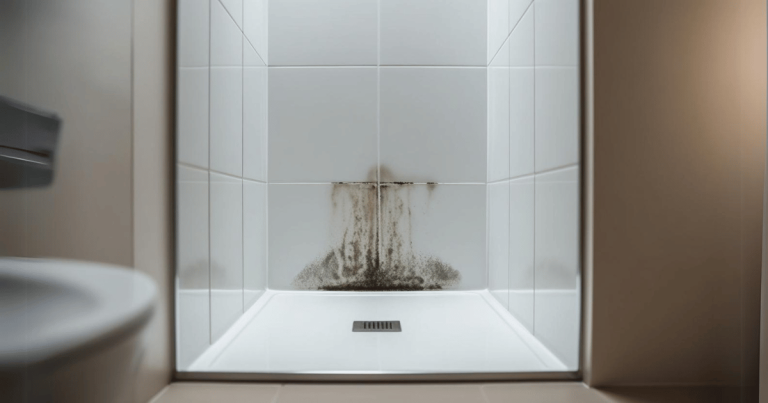
While this cleaner helps tackle existing mold, preventing it is even better. Learn my complete system for natural mold prevention to keep your bathroom fresh year-round.”
Kitchen Degreaser for Tough Jobs:
- 1 tablespoon washing soda (not baking soda)
- 2 cups hot water
- 1/4 cup citrus-infused vinegar
- 10 drops orange essential oil
I use this on my range hood and behind the stove – areas that collect the toughest, stickiest kitchen grease. The washing soda gives it extra cleaning power for those challenging areas.
DIY Natural Cleaning Tools and Application Methods
The right tools can make a huge difference in the effectiveness of your natural cleaners. I’ve tried dozens of combinations, and here’s what works best in my experience:
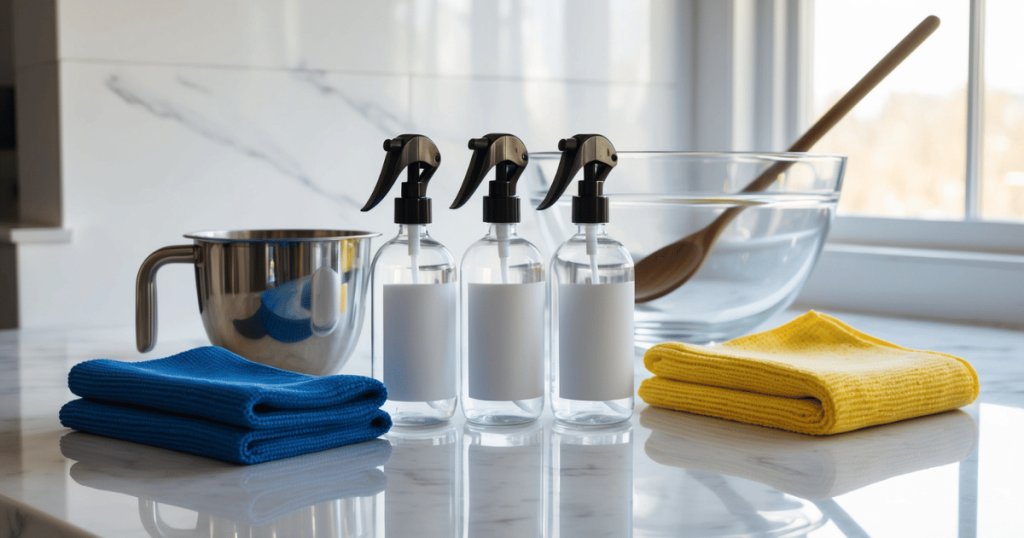
Spray Bottles: Glass spray bottles are my preference for several reasons:
- They don’t degrade with essential oils (plastic can)
- They last forever (sustainable choice)
- They look pretty sitting on the counter!
However, if you’re using cleaners around kids or in slippery areas like the shower, amber or blue plastic bottles made from PET or HDPE (check the recycling code) are safer options.
Cloths and Wipes: Microfiber cloths are hands-down the most effective for use with natural cleaners. Their tiny fibers trap dirt and bacteria mechanically, enhancing the effectiveness of gentle cleaners. I keep different colors for different rooms to prevent cross-contamination.
I used to use paper towels for everything, but switching to reusable cloths saves money and reduces waste. I now use less than one roll of paper towels per month!
Scrubbing Tools:
- Old toothbrushes are perfect for grout and tight spaces
- Coconut coir brushes stand up to scrubbing better than plastic
- Pumice stones work wonders on toilet rings without chemicals
Application Techniques: For most surfaces, the spray-and-wipe method works well. However, for vertical surfaces like shower walls, I’ve found that applying the cleaner from bottom to top prevents drips and streaks.
For tough jobs, applying the cleaner and letting it sit for 5-10 minutes before wiping makes a huge difference. This “dwell time” allows the natural ingredients to penetrate and loosen dirt.
When cleaning windows and mirrors, I use a lint-free cloth (old cotton t-shirts work great) and clean in a Z-pattern rather than circles to prevent streaking.
Always test new cleaners on an inconspicuous area first! I learned this lesson the hard way when my homemade cleaner removed the finish from a small section of an antique table. Now I always test in a hidden spot first.
Common Mistakes to Avoid When Making Natural Cleaners
Through years of experimentation, I’ve made plenty of mistakes so you don’t have to! Here are the most important lessons I’ve learned:
Never Mix:
- Vinegar and castile soap (causes separation and reduces effectiveness)
- Vinegar and hydrogen peroxide in the same bottle (creates peracetic acid, which can be irritating)
- Vinegar and bleach (creates chlorine gas, which is toxic)
- Baking soda and vinegar for storage (they neutralize each other)
While baking soda and vinegar create that satisfying fizz when combined, this reaction actually neutralizes both ingredients, leaving you with mostly water and salt. While they’re great as a two-step cleaning process, they’re ineffective when pre-mixed. Learn more about proper baking soda cleaning techniques to maximize its effectiveness.
Ingredient Ratios Matter: Using too much of an ingredient can cause problems:
- Too much soap leads to stubborn residue
- Too much vinegar can damage some finishes
- Too many essential oils can stain surfaces
Storage Mistakes:
- Using clear bottles for cleaners with essential oils (light degrades them)
- Making too much at once (water-based cleaners without preservatives can develop bacteria)
- Not labeling bottles (I once accidentally used my kitchen cleaner as a facial toner – not recommended!)
Always label your cleaners with ingredients and date made. I use masking tape and a marker for a simple solution.
Surface Compatibility: Natural doesn’t always mean gentle! I’ve learned that:
- Vinegar can damage natural stone, hardwood, and some metal finishes
- Baking soda can scratch some surfaces if scrubbed too vigorously
- Some essential oils can stain porous surfaces
I once ruined the seal on my granite countertops with a vinegar cleaner before I knew better. Now I always research surface compatibility before trying a new cleaner.
Safety Considerations:
- Some essential oils are not safe around pets, particularly cats (tea tree oil, for instance)
- Natural ingredients can still cause skin irritation for sensitive individuals
- Some natural ingredients (like borax) have safety controversies worth researching
I always wear gloves when cleaning, even with natural products, to protect my skin from frequent exposure.
Conclusion
After several years of creating and using these DIY natural all-purpose cleaners in my home, I can confidently say that making the switch was one of the best decisions I’ve made for my family’s health and our budget. What started as a solution for my skin irritation has become a passion for healthier, more sustainable living.
These simple recipes using ingredients from your pantry can effectively clean just about everything in your home without exposing you to harsh chemicals or generating excessive waste. I’ve seen firsthand how my homemade vinegar spray tackles kitchen messes just as effectively as commercial cleaners, while my castile soap solution keeps my granite countertops gleaming.
Remember to always label your creations, test them in inconspicuous areas first, and adjust the recipes to suit your specific cleaning needs. Don’t be afraid to experiment—some of my best cleaning solutions came from happy accidents and curious tinkering!
FAQs
What is the best homemade all-purpose cleaner?
The best homemade all-purpose cleaner for most surfaces is a simple mixture of equal parts white vinegar and water, with a few drops of dish soap and essential oils for extra cleaning power and pleasant scent.
Are DIY cleaners as effective as store-bought?
Yes, DIY natural cleaners can be as effective as many store-bought products for everyday cleaning tasks. For specific challenges, formulations can be adjusted to increase effectiveness.
How do I make a natural disinfectant spray?
For a natural disinfectant spray, use hydrogen peroxide (3%) in one spray bottle and white vinegar in another. Spray surfaces first with one, then the other for disinfecting power. Never mix them in the same bottle.
What can I use instead of vinegar in homemade cleaners?
If you dislike vinegar, you can use a castile soap solution (1 tablespoon soap to 4 cups water) or a solution of 1/4 cup baking soda dissolved in warm water as alternatives for general cleaning.
How can I make my home smell good naturally?
Create natural air fresheners by simmering citrus peels, cinnamon sticks, and cloves in water, using essential oil diffusers, or making room sprays with water, witch hazel, and essential oils.
Can I use DIY cleaners on wood floors?
For sealed wood floors, use a gentle cleaner made with 1 gallon warm water, 1/4 cup white vinegar, and a few drops of olive oil. Always test in an inconspicuous area first and avoid saturating the floor with liquid.
What is the best natural cleaning solution for bathrooms?
For bathrooms, a mixture of equal parts vinegar and water with tea tree essential oil works well for most surfaces. For toilets, a paste of baking soda and water followed by a spray of vinegar creates a powerful cleaning action.
How can I make a natural fabric refresher?
Mix 1 cup distilled water, 1/4 cup vodka or rubbing alcohol, and 10-15 drops of essential oil in a spray bottle for a natural fabric refresher that neutralizes odors without harsh chemicals.
Footnotes
- Environmental Working Group. (2023). “Guide to Healthy Cleaning.” https://www.ewg.org/guides/cleaners/
- Environmental Protection Agency. (2023). “Indoor Air Quality.” https://www.epa.gov/indoor-air-quality-iaq
- Gopal, J., et al. (2019). “Authenticating Apple Cider Vinegar’s Home Remedy Claims: Antibacterial, Antifungal, Antiviral Properties and Cytotoxicity Aspect.” Natural Product Research, 33(6), 906-910.
- Dr. Bronner’s. (2023). “Dilutions Cheat Sheet.” https://www.drbronner.com/blogs/all/dilution-cheat-sheet
- Carson, C.F., et al. (2006). “Melaleuca alternifolia (Tea Tree) Oil: a Review of Antimicrobial and Other Medicinal Properties.” Clinical Microbiology Reviews, 19(1), 50-62.
- Rutala, W.A., et al. (2008). “Guideline for Disinfection and Sterilization in Healthcare Facilities.” Centers for Disease Control and Prevention. ↩
- National Center for Biotechnology Information. (2015). “Acetic Acid, A Natural Antimicrobial Agent.” https://www.ncbi.nlm.nih.gov/pmc/articles/PMC4486441/