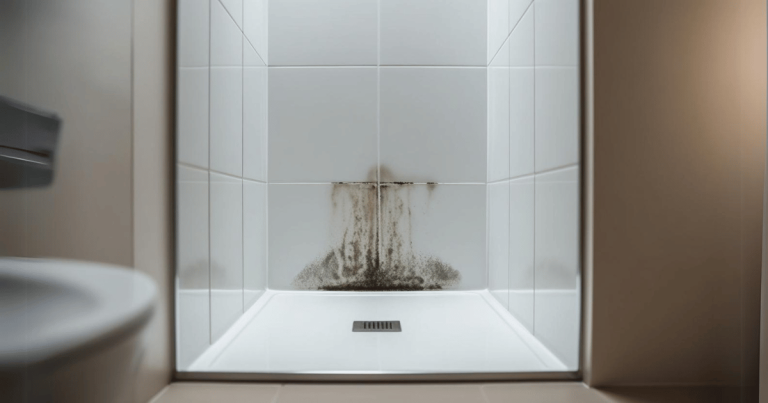
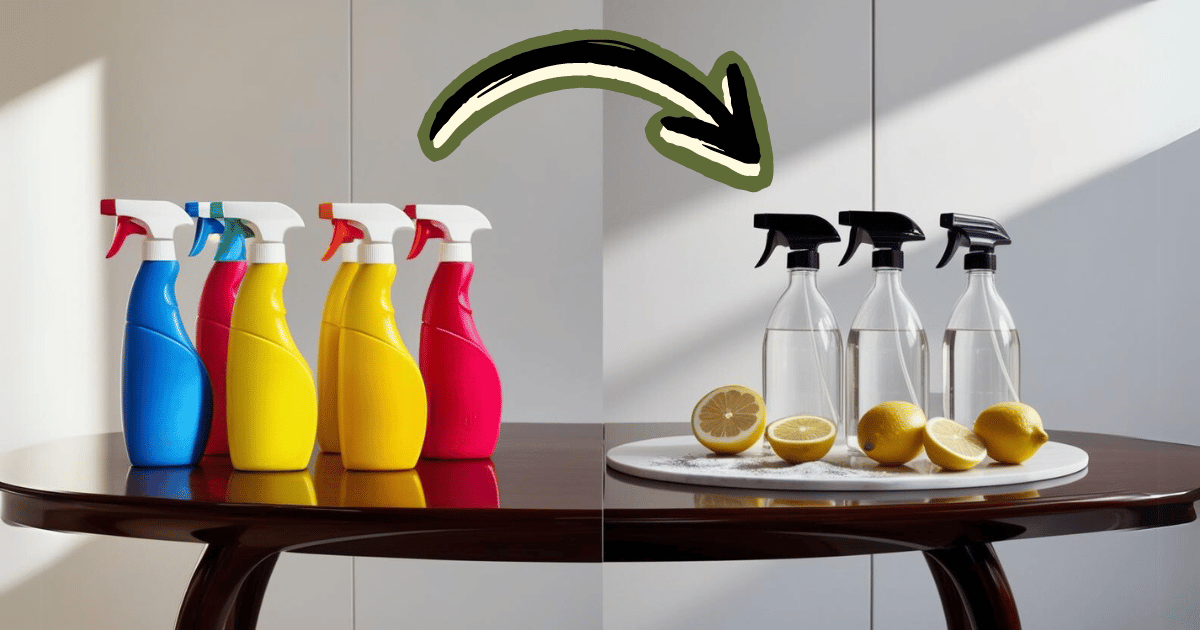
7 Best Safe Cleaning Product Alternatives in 2024
Hey there, fellow clean freaks and eco-warriors! 👋 Can I let you in on a little secret? I used to be a total chemical cleaner junkie. Yep, my cabinets were a rainbow of neon bottles promising to obliterate every speck of dirt in sight. But boy, oh boy, did I learn my lesson the hard way!
Let me tell you, the journey to a cleaner, greener home has been eye-opening. Did you know that according to the Environmental Protection Agency (EPA), indoor air can be 2 to 5 times more polluted than outdoor air? And a big culprit? You guessed it – those seemingly innocent cleaning products we use every day.
But don’t worry, I’ve got your back! After months of trial and error (and some hilariously messy experiments), I’ve rounded up the best safe cleaning product alternatives that’ll leave your home sparkling without the scary side effects. So, grab a cup of tea, get comfy, and let’s dive into the wonderful world of natural cleaning. 🌿🧽✨
Why Switch to Safe Cleaning Product Alternatives?
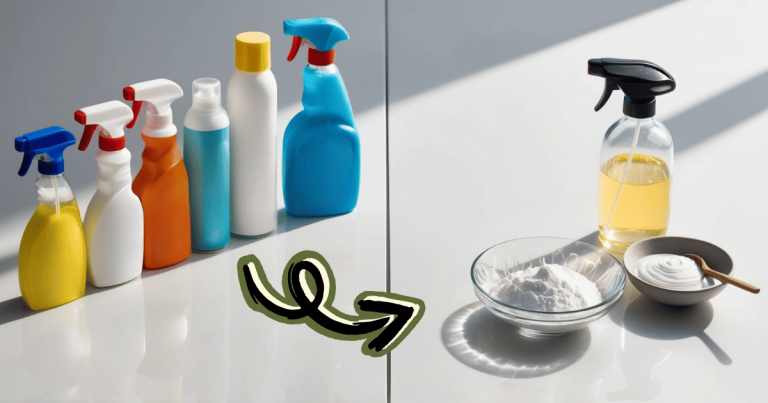
Here’s the deal: traditional cleaning products are often packed with a cocktail of chemicals that sound like they belong in a sci-fi movie, not under your kitchen sink. We’re talking nasties like phthalates, ammonia, and chlorine bleach. 😵 These bad boys can irritate your skin, mess with your respiratory system, and even mess with your hormones. Yikes!
But it’s not just about us humans. Every time we rinse these chemicals down the drain, they’re heading straight for our waterways. I once read that some of these cleaners can seriously harm aquatic life – and let me tell you, that image of sad fish swimming in chemical soup kept me up at night!
Now, I know what you’re thinking. “But how am I supposed to get my house clean without the strong stuff?” Trust me, I had the same doubts. But here’s the kicker: natural alternatives can be just as effective, if not more so!
Take vinegar, for example. This kitchen staple is a powerhouse when it comes to cutting through grease and grime. Or baking soda – it’s like a gentle scrub and deodorizer all in one. And the best part? You can pronounce all the ingredients!
Switching to safer alternatives isn’t just about avoiding the bad stuff. It’s about embracing products that are kinder to our bodies, our homes, and our planet. Plus, let’s be honest – there’s something pretty satisfying about cleaning your entire house with ingredients you could technically eat (though I wouldn’t recommend it as a snack!).
Let’s dive into some of my favorite safe cleaning product alternatives and how to use them. Spoiler alert: your home is about to get squeaky clean and fabulously eco-friendly!
1. Vinegar: The Multi-Purpose Cleaning Powerhouse
Vinegar, my friends, is like the Swiss Army knife of cleaning products. It’s a natural disinfectant, deodorizer, and all-around grime-buster. Plus, it’s dirt cheap! I mean, where else can you find a cleaner that costs pennies per use?
Here’s how I like to use it:
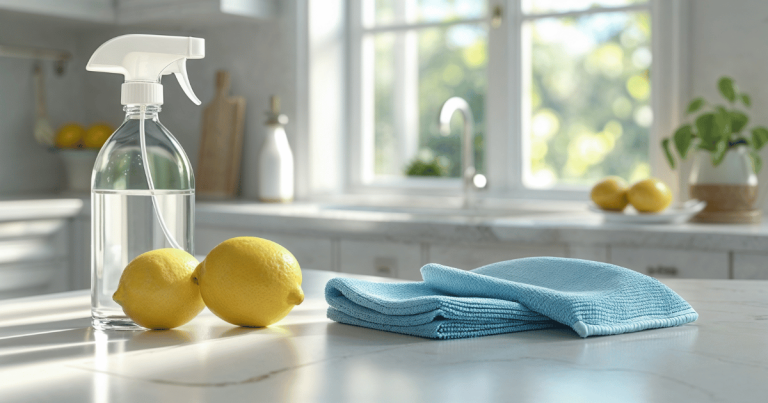
- For windows and mirrors: Mix equal parts water and vinegar in a spray bottle. Spritz away and wipe with a microfiber cloth. Streak-free shine, here we come!
- In the kitchen: I use a 50/50 vinegar-water solution to wipe down my countertops, stovetop, and even inside the fridge. It cuts through grease like nobody’s business!
- As a fabric softener: A cup of vinegar in the rinse cycle makes clothes soft and fresh without any artificial fragrances. (Don’t worry, the smell disappears when the clothes dry!)
- To clean the dishwasher: Run an empty cycle with a cup of vinegar in the top rack. It’ll help remove soap scum and leave your dishwasher sparkling.
But here’s a word of caution from someone who learned the hard way: vinegar is acidic, so it’s not friends with everything. Avoid using it on natural stone surfaces like marble or granite – trust me, that’s a mistake you only make once! 😅
Also, if you’re not a fan of the smell (I’ll admit, it can be pretty pungent), try infusing your vinegar with citrus peels or essential oils. It’s a game-changer!
Now, I know some of you might be skeptical. “But does it really clean as well as the strong stuff?” I hear ya! I was a doubter too. But after using vinegar to tackle everything from soap scum to hard water stains, I’m a total convert. It might take a little more elbow grease sometimes, but knowing that I’m not breathing in harsh fumes makes it totally worth it.
2. Baking Soda: Nature’s Gentle Scrubber
Alright, cleaning enthusiasts, let’s chat about another kitchen staple turned cleaning superhero: baking soda! 🦸♀️ Now, I’ll be honest, for years I thought baking soda was just for, well, baking. Boy, was I in for a surprise!
Here’s why baking soda is such a cleaning rockstar:
- It’s a natural deodorizer: Baking soda doesn’t just mask odors; it neutralizes them. I keep an open box in my fridge, and it works wonders!
- It’s mildly abrasive: This means it can scrub away tough stains without scratching surfaces. Perfect for delicate areas like stovetops or sinks.
- It’s alkaline: This helps it dissolve grease and dirt with ease. Science for the win!
Now, let me share some of my favorite baking soda cleaning hacks:
- Freshen up your mattress: Sprinkle baking soda on your mattress, let it sit for a few hours, then vacuum it up. Goodbye, funky smells!
- Clean your oven: Make a paste with baking soda and water, spread it all over your oven (avoiding the heating elements), let it sit overnight, then wipe clean. It’s like magic!
- Unclog drains: Pour 1/2 cup baking soda down the drain, followed by 1/2 cup vinegar. Cover with a wet cloth, wait 5 minutes, then flush with hot water. No harsh chemicals needed!
- Refresh your carpet: Sprinkle baking soda on your carpet before vacuuming. It’ll absorb odors and leave your room smelling fresh.
But here’s a pro tip from someone who learned the hard way: a little goes a long way! The first time I used baking soda to clean my sink, I ended up with a paste so thick I could’ve frosted a cake with it. 😅 Start with a small amount and add more as needed.
Now, I know some of you might be thinking, “But is it really as effective as those heavy-duty cleaners?” I get it, I was skeptical too. But after using baking soda to tackle everything from grimy grout to smelly sneakers, I can confidently say: yes, it really is that good!
3. Lemon Juice: Fresh Scent and Natural Disinfectant
Alright, my clean and green friends, let’s squeeze into our next topic: the citrusy superhero of the cleaning world – lemon juice! 🍋 Now, I’ll admit, for the longest time, lemons were just those yellow things I’d occasionally drop into my water. Little did I know they were hiding some serious cleaning superpowers!
Lemon juice is nature’s little cleaning miracle. It’s naturally antibacterial, it cuts through grease like a hot knife through butter, and it leaves everything smelling fresh and clean. Plus, it’s 100% edible – how many cleaning products can say that?
Here are some of my favorite ways to put lemon to work:
- Freshen up the garbage disposal: Drop some lemon peels down the disposal and run it. Goodbye, funky smells!
- Clean the microwave: Mix lemon juice and water in a microwave-safe bowl, nuke it for a few minutes, and watch as the steam loosens all that stuck-on gunk. Wipe clean and marvel at your sparkly microwave!
- Remove stains from cutting boards: Rub a cut lemon over the surface, let it sit for a few minutes, then rinse. It works like magic on those tough food stains!
- Polish copper and brass: Mix lemon juice with baking soda to make a paste, apply to the surface, let it sit for 30 minutes, then rinse and buff. Hello, shiny!
Oh, and here’s a fun DIY cleaning solution I love: mix equal parts water and lemon juice in a spray bottle, add a splash of vinegar, and voila! You’ve got an all-purpose cleaner that smells amazing and cuts through grime like nobody’s business.
One last tip: Don’t toss those used lemon halves after you’ve squeezed out the juice. I like to sprinkle them with a bit of salt and use them as a natural scrubber for my sink or cutting board. It’s like a mini aromatherapy session while you clean!
So next time life hands you lemons, don’t just make lemonade – make your whole house sparkle! 🍋✨
4. Castile Soap: The Eco-Friendly All-Purpose Cleaner
So, what exactly is castile soap? It’s a vegetable-based soap traditionally made from olive oil, but nowadays you can find versions made with coconut, hemp, or almond oils too. The best part? It’s biodegradable, gentle on skin, and tough on dirt. Talk about a win-win-win!
Here are some of my favorite ways to use castile soap:
- All-purpose spray: Mix 1/4 cup castile soap with 1 quart of water in a spray bottle. Boom! You’ve got a cleaner that can tackle everything from countertops to floors.
- Laundry detergent: Add 1/3 cup to a large load of laundry. It’s gentle enough for delicates but strong enough for your workout gear.
- Dish soap: A few drops on a sponge will cut through grease like nobody’s business.
- Fruit and veggie wash: Dilute a few drops in a bowl of water to give your produce a bath. It’s food-safe and effective!
But here’s a word of caution from someone who learned the hard way: a little goes a long way! The first time I used castile soap, I used way too much and ended up with a sudsy mess that took forever to rinse off. 😅 Start with a small amount and add more if needed.
Oh, and here’s a fun fact: Dr. Bronner’s, one of the most popular brands of castile soap, has been around since 1948! They print their bottles with all sorts of philosophical musings. It’s like getting a mini-philosophy lesson while you clean!
5. Essential Oils: Adding Fragrance and Antimicrobial Power
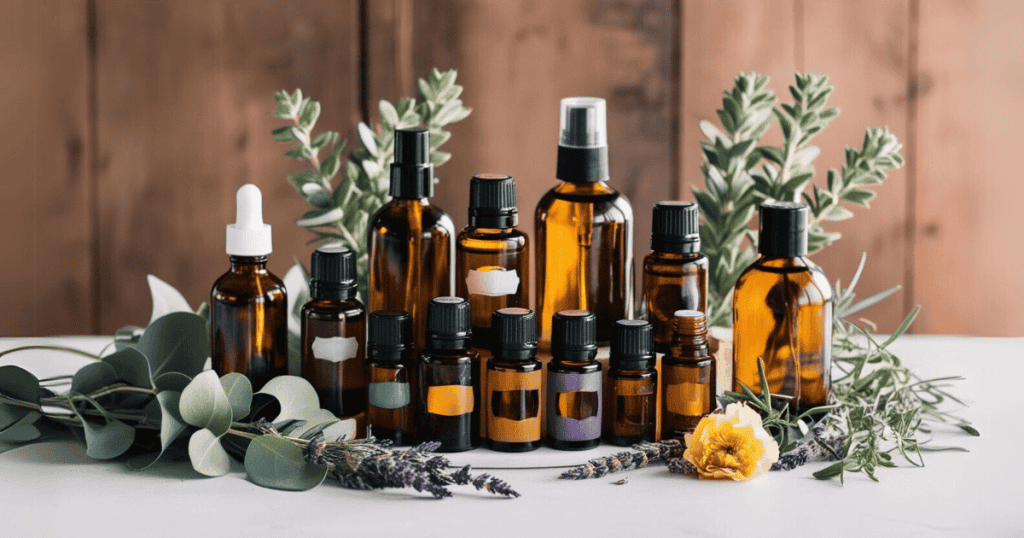
Essential oils aren’t just about making things smell nice (although that’s definitely a perk!). Many of them have powerful antimicrobial properties. Plus, they’re derived from plants, so they’re a natural alternative to synthetic fragrances.
Here are some of my favorite essential oils for cleaning:
- Tea Tree: This is my go-to for anything that needs serious disinfecting. It’s great for tackling mold and mildew in the bathroom.
- Lemon: Perfect for cutting through grease and leaving a fresh, clean scent.
- Lavender: Not only does it smell amazing, but it also has antibacterial properties. I love using it in my linen spray.
- Peppermint: This one’s great for deterring pests. Plus, its invigorating scent makes cleaning feel less like a chore!
Oh, and safety first! While essential oils are natural, they’re also highly concentrated. Always dilute them properly, keep them away from pets (some oils can be harmful to animals), and if you’re pregnant or have health concerns, check with your doctor before using them.
Here’s a simple recipe I love: Add 10 drops each of lemon and tea tree oil to a spray bottle filled with equal parts water and white vinegar. It’s a powerhouse all-purpose cleaner that smells divine!
Now, I know some of you might be thinking, “But do they really clean as well as chemical products?” I had the same doubt. But after using my essential oil-infused cleaners to tackle everything from sticky countertops to smelly trash cans, I’m a believer. Plus, my house smells like a spa now. Win-win!
6. Hydrogen Peroxide: Safe Bleach Alternative
Alright, cleaning enthusiasts, let’s talk about the unsung hero of the medicine cabinet: hydrogen peroxide! 💧 Now, I’ll admit, for the longest time, I only thought of hydrogen peroxide as that stuff you put on cuts. Little did I know it was a cleaning powerhouse hiding in plain sight!
Hydrogen peroxide is like the ninja of the cleaning world. It’s colorless, it’s odorless, and it packs a serious punch when it comes to killing germs and lifting stains. Plus, it breaks down into water and oxygen, making it much gentler on the environment than chlorine bleach.
Here are some of my favorite ways to use hydrogen peroxide:
- Whitening laundry: Add a cup to your white load for brighter, fresher-smelling clothes.
- Disinfecting countertops: Spray it on, let it sit for a few minutes, then wipe clean. It’s especially great for food prep areas!
- Cleaning toilets: Pour some in the bowl, let it sit for 20 minutes, then scrub. Goodbye, germs!
- Removing carpet stains: Blot the stain with hydrogen peroxide, let it sit, then rinse with cool water. It’s saved many of my rugs!
Oh, and here’s a fun science fact: the bubbling you see when you use hydrogen peroxide? That’s it releasing oxygen and going to work on stains and germs. It’s like watching a microscopic cleaning army in action!
One last tip: store your hydrogen peroxide in an opaque bottle. Light can break it down and make it less effective. And if you’re feeling fancy, you can even buy a spray bottle attachment for the bottle – it makes application a breeze!
7. Microfiber Cloths: Reducing Chemical Use Through Better Tools
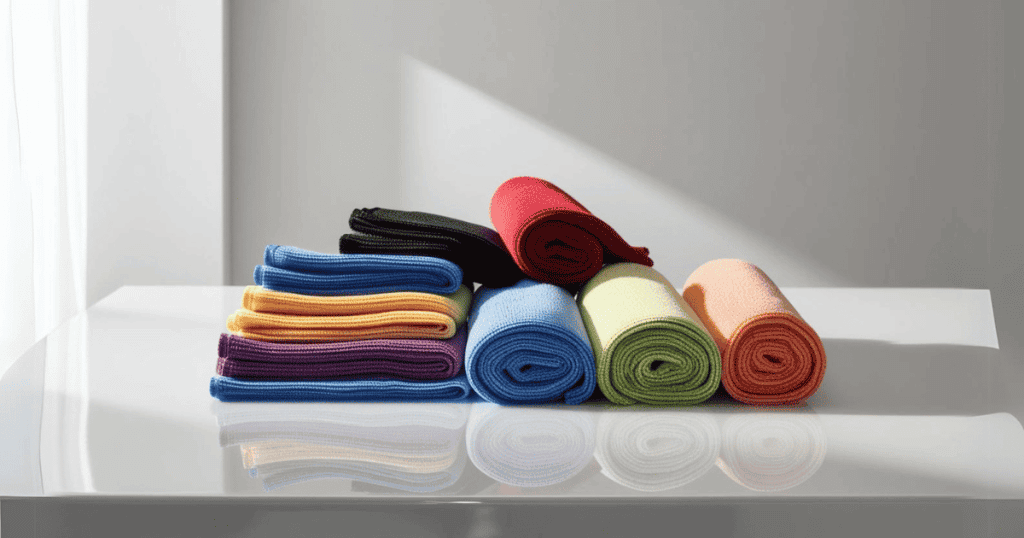
Okay, cleaning aficionados, let’s chat about the unsung hero of the cleaning world: microfiber cloths! 🧽 Now, I’ll be the first to admit, when I first heard about microfiber, I thought it was just another cleaning gimmick. Boy, was I wrong!
My microfiber revelation came during a particularly frustrating cleaning session. I was scrubbing away at my bathroom mirror, using paper towels and glass cleaner, but no matter how hard I tried, I kept ending up with streaks and lint. In desperation, I reached for a microfiber cloth a friend had given me. Let me tell you, it was like watching years of cleaning struggle melt away in seconds!
So, what’s the big deal about microfiber? Well, these little cloths are made up of tiny fibers (hence the name) that are able to pick up dirt, dust, and even bacteria without the need for harsh chemicals. It’s like having a army of microscopic cleaning ninjas at your fingertips!
Here’s why I’ve fallen head over heels for microfiber:
- They’re incredibly effective: The tiny fibers can clean at a microscopic level, picking up what other cloths leave behind.
- They reduce the need for chemicals: Often, all you need is water and a microfiber cloth to get surfaces sparkling clean.
- They’re reusable: Unlike paper towels, you can wash and reuse microfiber cloths hundreds of times.
- They’re versatile: From dusting to scrubbing to polishing, there’s a microfiber cloth for every job.
Now, here’s a pro tip from someone who learned the hard way: not all microfiber cloths are created equal. I once bought a cheap pack from a dollar store and… well, let’s just say they were about as effective as trying to clean with a sock. 😅Invest in good quality microfiber cloths – your cleaning routine will thank you!
Oh, and here’s a fun fact: some microfiber cloths can hold up to seven times their weight in water. It’s like having a super-absorbent sponge that doesn’t drip all over the place!
I use microfiber cloths for everything now. Windows? Streak-free shine. Dusting? It’s like the dust is magnetized to the cloth. Kitchen counters? Sparkling clean with just water.
But here’s the real kicker: since switching to microfiber, I’ve drastically reduced my use of paper towels and cleaning sprays. It’s been great for my wallet and even better for the environment!
DIY All-Purpose Cleaner Recipes
Alright, my fellow eco-warriors, let’s roll up our sleeves and dive into the world of DIY all-purpose cleaners! 🧪 Now, I’ll be honest, when I first heard about making my own cleaners, I thought it sounded like a lot of work. I mean, why bother when you can just buy them, right? Oh, how wrong I was!
Making your own cleaners isn’t just fun (although it does make me feel a bit like a mad scientist 🧑🔬), it’s also incredibly cost-effective and allows you to control exactly what goes into your cleaning products. No more mysterious ingredients you can’t pronounce!
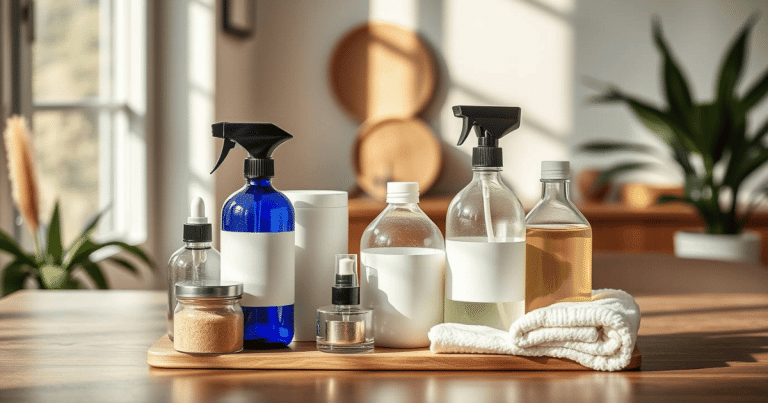
Here are a few of my favorite DIY all-purpose cleaner recipes:
The Classic Vinegar Solution:
- 1 part white vinegar
- 1 part water
The Castile Soap Superstar:
- 1/4 cup castile soap
- 4 cups water
- 20 drops of essential oil
This one’s great for tougher jobs and leaves everything smelling amazing!
The Hydrogen Peroxide Power-Up:
- 1 cup hydrogen peroxide
- 1 cup water
- 1/4 cup lemon juice
Perfect for disinfecting and whitening. Just remember to store it in an opaque bottle!
Oh, and here’s a fun tip: get creative with your scents! I love mixing different essential oils to create custom fragrances. Lavender and peppermint is my current favorite – it’s like cleaning in a spa!
One of the best things about DIY cleaners is how easy it is to customize them. Too strong? Add more water. Not strong enough? Up the concentration of your active ingredients. It’s all about finding what works best for you and your home.
What are the Best Safe Commercial Cleaning Product Brands?
Let’s talk about those times when DIY just won’t cut it, or when you need a quick and easy solution. That’s where safe commercial cleaning products come in! 🛒 Now, I’ll admit, after my dive into the world of DIY cleaners, I was a bit skeptical about going back to store-bought. But let me tell you, the green cleaning market has come a long way!
When looking for safe commercial cleaning products, here are some things I’ve learned to look out for:
- Ingredient Transparency: Look for brands that clearly list all their ingredients. If you can’t pronounce most of them, it might be a red flag.
- Certifications: Logos like USDA Organic, Green Seal, or EWG Verified can be good indicators of safer products.
- Plant-Based Ingredients: Many effective cleaners now use plant-derived ingredients instead of harsh chemicals.
- Fragrance-Free or Essential Oil-Based: Artificial fragrances can contain harmful chemicals. Look for products that are unscented or use essential oils for fragrance.
- Sustainable Packaging: Look for brands that use recycled materials, offer refills, or use plastic-free options. The eco-cleaning market has made huge strides in this area since 2024!
Now, let me share some of my favorite safe commercial cleaning brands that I’ve discovered on this journey:

Branch Basics
Branch Basics offers effective, non-toxic cleaning solutions made from plant and mineral-based ingredients. Their concentrated formula is versatile, eco-friendly, and safe for the whole family. I am loving how one product can replace multiple cleaners.

AspenClean
This brand has really taken off in 2025 with their plant-based formulas and zero-plastic packaging options. Their multi-surface cleaner is now my go-to for quick cleanups!

Blueland
With their innovative tablet-and-reusable-bottle system, Blueland has revolutionized how we think about cleaning products. Just drop a tablet in water and you’re good to go! Their new compostable packaging is a game-changer.

Grove Co.
Their concentrates and refill system have saved me countless plastic bottles. The new plant-based formulas they launched in early 2025 are amazingly effective!

Safely
This brand continues to impress with their beautiful packaging and highly effective formulas. Their commitment to transparency about ingredients sets the standard in the industry.
But here’s a word of caution: just because a product is labeled “natural” or “eco-friendly” doesn’t always mean it’s completely safe or effective. Always check the ingredients and don’t be afraid to try a few different brands to find what works best for you.
Oh, and here’s a pro tip: many of these brands offer concentrated versions of their products. They’re a bit more expensive upfront, but you dilute them at home, so they last much longer. It’s a win for your wallet and the environment!
So next time you’re at the store, why not give one of these safer commercial brands a try? You might be surprised at how well they clean while still being gentle on your health and the environment. And who knows? You might just find your new favorite cleaning product! 🌿🧼
Conclusion
Whew! We’ve certainly covered a lot of ground in our journey through the world of safe cleaning product alternatives, haven’t we?
From the mighty power of vinegar to the gentle scrubbing of baking soda, from the fresh scent of lemons to the magic of microfiber cloths, we’ve explored a whole arsenal of eco-friendly cleaning options.
Now, I know what some of you might be thinking: “This all sounds great, but is it really worth the effort?” Trust me, I had the same doubts when I first started. But let me tell you, making the switch to safer cleaning alternatives has been one of the best decisions I’ve ever made for my home and my health.
Not only do I feel better knowing that I’m not releasing harmful chemicals into my living space or the environment, but I’ve also found that many of these natural alternatives work just as well, if not better, than their chemical-laden counterparts. And let’s not forget the money I’ve saved by making my own cleaners or investing in reusable tools like microfiber cloths!
But here’s the thing: transitioning to greener cleaning doesn’t have to be an all-or-nothing proposition. Start small! Maybe swap out your all-purpose cleaner for a homemade vinegar solution, or try using baking soda instead of harsh scrubbers. Every little change makes a difference.
Remember, the goal isn’t perfection – it’s progress. We’re all on this journey together, learning and improving as we go. So don’t be too hard on yourself if you slip up or if a natural cleaner doesn’t work as well as you hoped. It’s all part of the process!
I encourage you to experiment, find what works best for you and your home, and have fun with it! Who knows? You might discover a cleaning hack that becomes your new secret weapon against dirt and grime.
So, are you ready to join the green cleaning revolution? Your health, your home, and our planet will thank you. Here’s to cleaner, greener, and happier homes for all of us! 🌿🧼✨
To learn more, check out The Ultimate Non-Toxic Home Guide: Live Healthier in 2025.