
How to Go Low-Tox in 2025: Your Complete Beginner’s Guide to Healthier Living
Did you know that the average woman uses 12 personal care products containing 168 different chemicals daily, while men use an average of 6 products with 85 unique chemicals?
When you add in cleaning products, food storage, and other household items, we’re exposed to hundreds of chemicals every day. That statistic used to terrify me when I first learned it, but now it empowers me to make better choices every single day because we can begin taking control.
As an engineer who stumbled into the world of low-tox living through my own health challenges, I’ve learned that going low-tox doesn’t have to be overwhelming. The key is approaching it systematically – something my engineering brain absolutely loves.
I’m going to walk you through exactly how to start this journey using our LEAP method: Learn, Execute, Appreciate, and Progress.
By the end of this guide, you’ll know how to go low-tox to create a healthier home environment without the stress or perfectionism that can derail so many well-intentioned efforts.
Understanding Low-Tox Living: What It Really Means
Let me be honest with you – when I first heard the term “low-tox,” I thought it meant eliminating every single chemical from my home. Boy, was I wrong! And thank goodness for that, because that approach would have driven me absolutely crazy.
Low-tox living is actually about reducing your overall toxic load, not achieving some impossible state of chemical-free perfection.
Think of it like this: your body is constantly processing toxins from the environment, and it does a pretty amazing job of it. But when we overload our systems with too many synthetic chemicals from cleaning products, personal care items, and household goods, that’s when problems can start.
What makes low-tox different from “all-natural” or “chemical-free” living is that it’s realistic and sustainable. The goal is to make informed choices about which modern conveniences are worth keeping and which ones we can easily replace with safer alternatives.
RELATED: Why Go Low-Tox: 5 Life-Changing Reasons to Start Your Journey in 2025
The LEAP Method: Your Systematic Approach to Going Low-Tox
After years of trial and error (and a few spectacular failures), I developed what I call the LEAP method. This approach has transformed not just my own home, but helped countless others successfully transition to low-tox living without the overwhelm.
Learn is where we start – and I don’t mean spending months researching every possible toxin. I mean learning the basics about what to look for and what to avoid.
When I first started, I got so caught up in reading ingredient lists that I forgot to actually make any changes! Now I focus on learning just enough to make smart decisions, then moving to action.
Execute is where the magic happens. This is about taking what you’ve learned and actually implementing it in your daily life. The key here is starting small and building momentum. I always tell people to pick one room or one category of products to focus on first.
Appreciate might seem like an odd step, but it’s crucial for long-term success. Going low-tox should enhance your life, not stress you out. I learned to celebrate every small win – like finding a natural deodorant that actually works or successfully making my first batch of DIY all-purpose cleaner.
Progress over perfection is my mantra. There will be setbacks, products that don’t work as well as you hoped, and times when you choose convenience over the “perfect” low-tox option. That’s not failure – that’s real life! The goal is consistent improvement, not perfection.
This systematic approach takes the guesswork out of going low-tox and gives you a clear path forward, no matter where you’re starting from.
Room-by-Room Strategy: Where to Start Your Low-Tox Journey
One of the biggest mistakes I see people make when learning how to go low-tox is trying to do everything at once. Trust me, I’ve been there, and it’s a recipe for burnout!
Instead, I recommend tackling one room at a time, starting with the spaces where you spend the most time or use the most products.
Kitchen First: This is usually where I recommend starting because it’s where we prepare our food – and nobody wants cleaning chemical residue near their dinner! Plus, kitchen swaps often give you the biggest bang for your buck.
Start with your dish soap, all-purpose cleaner, and food storage containers. I still remember the day I replaced all my plastic food storage with glass containers – it felt like such a grown-up moment!
Bathroom Second: Since we use personal care products directly on our skin, the bathroom is the next logical step. Begin with the products you use most frequently – usually toothpaste, soap, and shampoo.

I learned this lesson when I tried to replace everything at once and ended up with a cabinet full of products that didn’t work for my hair type. Now I test one product at a time.
Pro tip: when trying new personal care products, look to see if there is a travel size option. This is more budget friendly and if the product doesn’t work out, you’re not stuck with a full-size container.
Bedroom Third: Your bedroom is where your body repairs and regenerates, so creating a clean sleep environment is crucial. Focus on bedding, air quality, and reducing dust. I was shocked to learn how much better I slept after switching to organic cotton sheets and adding some air-purifying plants.
Living Areas Last: These spaces typically have fewer products to swap, making them easier to tackle once you’ve built confidence with the other rooms. Focus on cleaning products, air fresheners, and furniture choices.
The beauty of this room-by-room approach is that you can see progress quickly, which keeps you motivated to continue. Plus, you’re not overwhelming yourself or your budget by trying to change everything simultaneously.
Reading Labels Like a Pro: Avoiding Greenwashing
Learning how to read product labels was like developing a superpower I never knew I needed. As an engineer, I love data, but I had to learn that marketing claims on the front of packages often don’t match what’s actually inside.
The front of a product can say “natural,” “eco-friendly,” or “non-toxic,” but these terms aren’t regulated. What matters is the ingredient list, and that’s where you need to focus your attention.
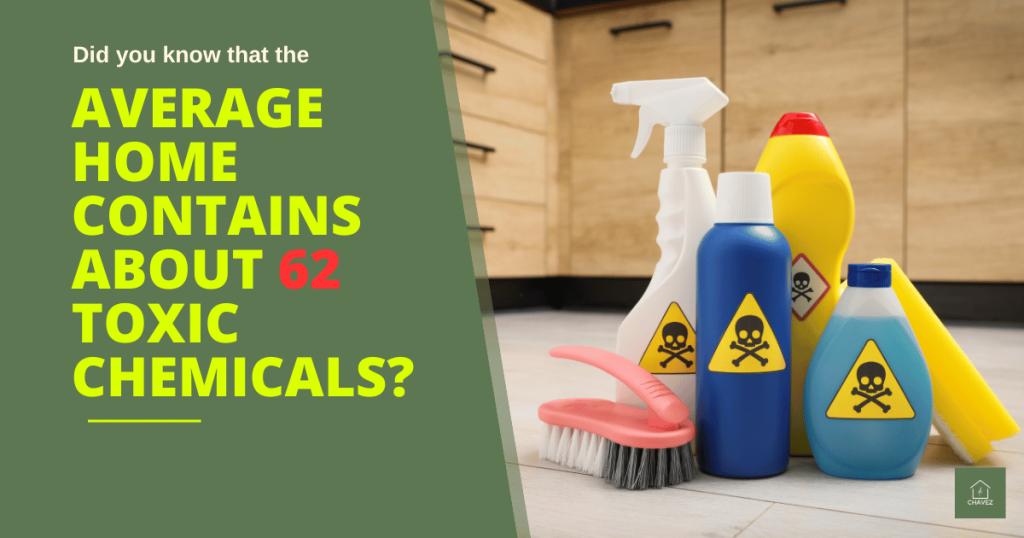
Red Flag Ingredients: While I don’t expect you to memorize a list of hundreds of chemicals, there are some common ones worth avoiding.
Synthetic fragrances (often listed as “fragrance” or “parfum”) are at the top of my list because they can contain dozens of unlisted chemicals. Parabens, sulfates, and anything ending in “-eth” are also good ones to watch for.
I use apps like Think Dirty and EWG Healthy Living to help me when I’m shopping. Just scan the barcode, and you get a breakdown of potentially harmful ingredients. It’s like having a toxicologist in your pocket!
Though I’ll warn you – don’t go down the rabbit hole of scanning everything in your house at once. I made that mistake and spent three hours horrified by my cleaning cabinet.
What to Look For: Simple ingredient lists are usually better. If you can pronounce most of the ingredients and recognize them as things that come from plants or minerals, you’re probably on the right track. Companies that are truly committed to safer products will list all their ingredients clearly, not hide behind vague terms.
The most important thing I’ve learned about label reading is that it gets easier with practice. Start with just a few key ingredients to avoid, and gradually build your knowledge as you become more comfortable with the process.
Budget-Friendly Low-Tox Living
One of the biggest concerns I hear about going low-tox is cost, and I totally get it. When I first started looking at “natural” alternatives, I nearly had sticker shock! But here’s what I’ve learned: going low-tox can actually save you money if you approach it strategically.
DIY Solutions: Making your own cleaning products is incredibly cost-effective. A gallon of white vinegar costs less than a single bottle of commercial all-purpose cleaner, and while it may not be as effective as commercial disinfectants for killing all germs, it works well for general cleaning tasks.
Studies show that vinegar can eliminate some bacteria like E. coli, though it’s less effective than commercial disinfectants for comprehensive sanitization.
Baking soda is another powerhouse ingredient that costs pennies and replaces multiple products. Research has shown it has some antibacterial properties, particularly against certain bacteria like Streptococcus mutans.
Strategic Shopping: I learned to prioritize my purchases based on impact and frequency of use. Products you use daily (like dish soap or toothpaste) are worth investing in first. Items you use occasionally can wait for sales or be replaced with DIY alternatives.
Buying in bulk or concentrates often brings the cost per use down significantly. I buy a year’s supply of castile soap concentrate and dilute it for different uses throughout the house. It seems expensive upfront, but when I calculate the cost per bottle, it’s actually cheaper than conventional alternatives.
Gradual Replacement: This is key to keeping costs manageable. Replace products as you run out rather than throwing away what you already have. This spreads the cost over months instead of requiring a huge upfront investment.
I also learned to get creative with what I already had. That bottle of olive oil in your kitchen? It’s an excellent makeup remover and skin moisturizer. The lemon in your fruit bowl can help clean and deodorize your garbage disposal.
Common Mistakes and How to Avoid Them
Let me share some of the mistakes I made early on, so you can learn from my experience instead of repeating it!
Mistake #1: Trying to change everything at once. I spent an entire Saturday going through my house with garbage bags, throwing out anything that didn’t meet my new “standards.”
By Sunday, I was overwhelmed, my husband was annoyed, and I had spent way more money than planned replacing everything. Now I know that slow and steady wins this race.
Mistake #2: Expecting every alternative to work perfectly immediately. Not every natural deodorant will work for every person, and that’s okay! I went through four different brands before finding one that worked for me. The key is being patient and realistic about the adjustment period.
Mistake #3: Becoming obsessed with perfection. I used to stress about every single ingredient in every product. But here’s the thing – the goal is progress, not elimination of every possible risk. Life is inherently risky, and driving yourself crazy trying to avoid every chemical isn’t healthy either.
Mistake #4: Ignoring what works for your lifestyle. I tried to make my own laundry detergent for months, even though I hated the process and it didn’t clean as well as I needed. Sometimes the commercial low-tox option is worth the extra cost for your sanity and effectiveness.
Mistake #5: Not involving the family. If you live with others, they need to be on board, or at least not actively working against your efforts. I learned to introduce changes gradually and explain why they mattered, rather than just imposing new rules.
The biggest lesson I’ve learned is that going low-tox is a journey, not a destination. There will be setbacks, compromises, and times when you choose convenience over the “perfect” option. That’s not failure – that’s real life!
Measuring Your Progress and Staying Motivated
One thing that really helped me stick with low-tox living was tracking my progress in concrete ways. As an engineer, I love data, but you don’t need to be a numbers person to benefit from measuring your journey.
Health Improvements: Keep a simple journal of how you feel. I noticed that my headaches became less frequent, my skin cleared up, and I slept better. These changes didn’t happen overnight – it took several months – but tracking them helped me see the connection between my environment and my wellbeing.
Product Inventory: I created a simple spreadsheet (okay, maybe that’s the engineer in me) listing all the products in my home and when I planned to replace them with low-tox alternatives. It helped me stay organized and budget for upcoming purchases.
Cost Tracking: I was pleasantly surprised to discover that after the initial transition period, my household product expenses actually decreased. Making my own cleaning products and buying quality items that last longer ended up saving money.
Celebration System: This might sound silly, but I celebrated small wins along the way. Successfully making a batch of DIY cleaner? Mini celebration. Finding a natural deodorant that actually works? Bigger celebration. These little acknowledgments kept me motivated during the more challenging transitions.
The key is finding what motivates you personally. Maybe it’s taking before-and-after photos of your organized, low-tox cabinets. Maybe it’s sharing your journey on social media. Maybe it’s simply the satisfaction of knowing you’re making healthier choices for your family.
Building Long-Term Low-Tox Habits
The difference between people who successfully go low-tox and those who give up after a few weeks usually comes down to habits. The goal is to make these choices automatic, so you don’t have to think about them constantly.
Start with Keystone Habits: These are small changes that naturally lead to other positive changes. For me, it was switching to a natural all-purpose cleaner. Once I got comfortable with that, it felt natural to look for other cleaning product alternatives.
Create Systems: I keep a running shopping list of low-tox products to try, organized by priority. When I run out of something, I already know what I want to try next. This prevents those last-minute trips to the store where I might grab whatever’s convenient.
Involve Your Routine: The easiest way to maintain new habits is to tie them to things you already do. I keep my DIY cleaner ingredients next to my regular cleaning supplies, so making a new batch becomes part of my normal routine.
Plan for Obstacles: There will be times when your usual products aren’t available, or you’re traveling, or life gets hectic. Having a backup plan prevents these situations from derailing your progress completely.
Keep Learning: I still discover new information about low-tox living regularly, and that’s part of what keeps it interesting. Following a few trusted blogs, listening to relevant podcasts, or joining online communities can help you stay engaged and motivated.
The most important thing I’ve learned is that sustainable change happens gradually. The habits that stick are the ones that fit naturally into your life, not the ones that require constant willpower to maintain.
Conclusion
Going low-tox doesn’t have to be overwhelming, expensive, or perfect. It’s about making informed choices that align with your values and lifestyle, one small change at a time.
Whether you start with switching to a natural dish soap or making your own all-purpose cleaner, every step toward reducing your toxic load is a step worth celebrating.
Remember our LEAP approach: Learn the basics, Execute with practical changes, Appreciate the journey, and focus on Progress over perfection. This systematic method takes the guesswork out of the process and helps you build sustainable habits that will serve you and your family for years to come.
The most rewarding part of my low-tox journey hasn’t been achieving some perfect chemical-free home (spoiler alert: that doesn’t exist). It’s been the peace of mind that comes from knowing I’m making informed choices about what I bring into our living space.
Your low-tox journey will look different from mine, and that’s exactly how it should be. Start where you are, use what you have, do what you can. The perfect time to begin is right now, with whatever small step feels manageable today.
Frequently Asked Questions
What’s the difference between low-tox, non-toxic, and chemical-free?
Low-tox focuses on reducing overall chemical exposure rather than eliminating everything. Non-toxic technically means “not poisonous,” but it’s not a regulated term. Chemical-free is actually impossible since everything is made of chemicals – even water! Low-tox is the most realistic and achievable approach.
Which room should I start with when going low-tox?
I recommend starting with your kitchen since it’s where you prepare food and likely use cleaning products frequently. The changes you make here will have immediate impact on your daily chemical exposure.
How do I know if a product is truly safer or just greenwashed?
Always check the ingredient list rather than relying on front-of-package claims. Use apps like Think Dirty or EWG Healthy Living to research specific products. Look for companies that list all ingredients clearly and transparently.
Are DIY cleaning products as effective as commercial ones?
Many DIY solutions work just as well for everyday cleaning tasks. However, you might need commercial products for tough jobs like mold removal or deep sanitization. The key is finding the right balance for your needs.
How long does it take to see health improvements from going low-tox?
This varies greatly by person, but many people notice improvements in sleep quality, fewer headaches, or clearer skin within 2-3 months. Some changes may be subtle and gradual, so keeping a journal can help you track progress.
What are the most important products to replace first?
Focus on products you use most frequently and those that come into direct contact with your body or food. This typically includes dish soap, all-purpose cleaner, personal care items like toothpaste and soap, and food storage containers.
Can low-tox living help with specific health conditions?
While going low-tox isn’t a cure for any condition, reducing chemical exposure may help people with chemical sensitivities, allergies, or asthma feel better. Always consult with healthcare providers about specific health concerns.
How do I get my family on board with low-tox changes?
Start with changes that don’t significantly impact daily routines, explain your reasoning without being preachy, and let family members experience the benefits firsthand. Involve them in choosing new products when possible, and be patient with the adjustment period.