What is Low-Tox: Your Complete Guide to Low-Toxin Living in 2025

As an engineer, I’m naturally drawn to data and systematic approaches to problem-solving. When I began experiencing unexplained health issues a few years back, I did what any good engineer would do – I started investigating.
What I discovered about the chemicals lurking in our everyday products completely changed how I think about creating a healthy home environment.
Low-tox living isn’t about achieving perfection or throwing out everything you own overnight. It’s about making informed choices to gradually reduce your family’s exposure to potentially harmful chemicals while still living a practical, enjoyable life.
What Does Low-Tox Actually Mean?
Low-tox is short for “low toxin” or “low-toxic” – it’s an approach to reducing your exposure to potentially harmful chemicals found in your environment, such as everyday household products, personal care items, and even the air we breathe.
In other words, it’s reducing (notice I didn’t say eliminate) all the bad “stuff” around us.
Unlike “non-toxic” or “chemical-free” (which, let’s be honest, is impossible since everything is made of chemicals), low-tox acknowledges that we can’t eliminate all toxins from our lives, but we can significantly reduce our overall toxic load.
Think of it like this: your body is constantly working to process and eliminate toxins through your liver, kidneys, and other organs.
When we reduce the number of toxins coming in, we give our bodies a better chance to handle what’s left and function optimally.
The beauty of low-tox living is that it’s realistic and sustainable. You don’t need to move to a cabin in the woods or make your own soap from scratch (although if that’s your thing, more power to you!). Instead, you make strategic swaps and changes that fit your lifestyle and budget.
When I first started living low-tox, I went a bit overboard trying to replace everything at once and nearly gave myself a panic attack looking at how much I was spending. Now I know better – it’s about progress, not perfection.
The Science Behind Toxic Load and Why It Matters
Here’s where my engineering brain gets excited! Understanding toxic load is like understanding why you shouldn’t overload an electrical circuit – too much input can cause the whole system to malfunction.
Your toxic load , also called body burden, refers to the total amount of chemicals stored in your body at any given time. These chemicals come from pesticides on food, fragrances in cleaning products, preservatives in cosmetics, and hundreds of other sources we encounter daily.
The Environmental Working Group researchers found an average of 287 chemicals in umbilical cord blood of newborn babies – including pesticides, flame retardants, and waste from burning coal and gasoline. If that doesn’t make you want to reduce your toxic load, I don’t know what will!
What really gets me fired up about this topic is the concept of bioaccumulation. Many of these chemicals don’t just pass through our bodies – they stick around and build up over time.
It’s like having a sink that drains slower than water comes in. Eventually, you’re going to have an overflow problem.
Research has linked chronic exposure to certain chemicals with hormone disruption, reproductive issues, respiratory problems, and even some cancers.
Now, I’m not trying to scare you (trust me, fear-based living isn’t sustainable), but I am trying to help you understand why making some simple swaps can be so powerful.
The good news? Your body is amazing at detoxification when you give it a chance.
RELATED: Why Go Low-Tox: 5 Life-Changing Reasons to Start Your Journey in 2025
Common Sources of Toxins in Your Home
When I first started identifying toxin sources in my home, I felt overwhelmed. They seemed to be everywhere! But once I understood the main categories, it became much easier to prioritize my efforts.
Personal Care Products This category was my biggest eye-opener. The average woman uses 13 personal care products daily, while men use about 11. These products can contain parabens (hormone disruptors), phthalates (also hormone disruptors), sulfates (skin irritants), and synthetic fragrances (respiratory irritants).

I remember the day I started reading the ingredient list on my favorite shampoo. It looked like a chemistry experiment gone wrong! Words I couldn’t pronounce, numbers mixed with letters – it was honestly intimidating. But once I learned what to look for and found tools to help me, shopping became so much easier.
Cleaning Products Conventional cleaning products often contain volatile organic compounds (VOCs), which can contribute to indoor air pollution. Some contain ammonia, chlorine bleach, and synthetic fragrances that can trigger asthma and allergies.
I used to think that if something didn’t make me immediately sick, it was fine. But I learned that many effects are cumulative – small exposures over time can add up to big problems later.
Food and Food Storage Pesticide residues on produce, additives and preservatives in processed foods, and chemicals that leach from plastic containers all contribute to our toxic load. Even “healthy” foods can be problematic if they’re wrapped in plastic or stored in containers with BPA or phthalates.
The whole plastic situation really frustrated me initially. It seemed like everything came in plastic! But I’ve learned there are simple swaps that make a huge difference without completely upending your life.
Indoor Air Quality This one surprised me because we don’t often think about air as being “toxic.” But indoor air can be 2-5 times more polluted than outdoor air due to off-gassing from furniture, carpets, paint, and cleaning products. Add in poor ventilation, and you’ve got a perfect storm for chemical exposure.
Getting Started: Your First Steps to Low-Tox Living
Okay, so now you know what low-tox means and why it matters. But where do you actually start? This is where my LEAP method really shines because it takes the overwhelm out of the process.
📚 Learn: Start with One Category Don’t try to research everything at once – you’ll burn out before you even get started. Pick one area that you use frequently or that concerns you most. For me, it was personal care products because I was having skin issues.
Download apps like Think Dirty or EWG Healthy Living to scan product barcodes and see their safety ratings. These apps became my shopping companions and helped me make informed decisions without spending hours researching every ingredient.
🛠️ Execute: Make One Swap at a Time Replace products as you run out rather than throwing away everything you own. This approach is gentler on your budget and prevents waste. Start with products you use most often or that have the worst ingredient profiles.
My first swap was switching from a conventional antiperspirant to a natural deodorant. Was there an adjustment period? Absolutely. Did I occasionally smell like I’d been working in the garden? Maybe. But within a few weeks, my body adapted, and I felt good knowing I wasn’t putting aluminum directly onto my skin every day.
🎉 Appreciate: Celebrate Small Wins Every single swap matters, even if it seems tiny. I used to get discouraged because I couldn’t afford to replace everything at once, but I learned to celebrate each small change. Switched to a natural toothpaste? That’s awesome! Started using vinegar to clean your windows? You’re making progress!
🌱 Progress: Track Your Journey Keep a simple list of swaps you’ve made and how they’re working for you. This helps you stay motivated and makes it easier to recommend products to friends who ask about your changes.
I wish I’d started tracking my journey from the beginning because it would have been encouraging to see how far I’d come during moments when progress felt slow.
RELATED: How to Go Low-Tox in 2025: Your Complete Beginner’s Guide to Healthier Living
Room-by-Room Low-Tox Strategies
Kitchen: The Heart of Healthy Changes The kitchen is often the best place to start because you have so many opportunities for impact. Focus on cookware first – ditch non-stick pans with Teflon coating and invest in cast iron, stainless steel, or ceramic options. These materials don’t leach chemicals into your food and actually improve with age.
Food storage was my next priority. I gradually replaced plastic containers with glass ones, which not only eliminates chemical leaching but also keeps food fresher longer. Mason jars became my best friend for storing everything from leftovers to bulk ingredients.
Bathroom: One change that made an immediate difference was installing a shower head filter. I didn’t realize how much chlorine and other chemicals I was absorbing through my skin and breathing in during hot showers until I switched to filtered water.

My skin felt softer within days, and my hair stopped feeling dry and brittle. A quality shower filter removes chlorine, heavy metals, and other contaminants – it’s like giving yourself a spa treatment every day!
Bedroom: Creating a Clean Sleep Sanctuary Your bedroom should be your refuge, but many conventional mattresses and bedding contain flame retardants and other chemicals. When it’s time to replace your mattress, look for organic or natural options. In the meantime, a good mattress protector can create a barrier between you and any chemicals.
I invested in organic cotton sheets, which not only feel amazing but also don’t contain the pesticide residues found in conventional cotton. The difference in sleep quality was noticeable within the first week.
Budget-Friendly Low-Tox Living
One of the biggest misconceptions about low-tox living is that it’s expensive. While some natural products do cost more upfront, many low-tox swaps actually save money in the long run.
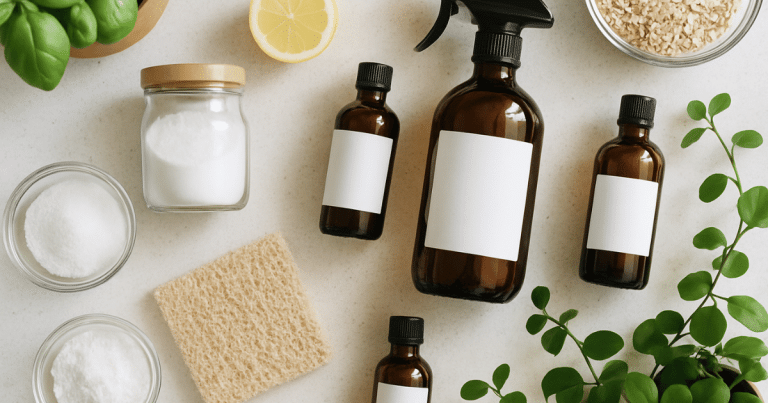
DIY Solutions Making your own cleaning products costs pennies compared to buying natural versions. My homemade all-purpose cleaner costs about $0.50 per bottle versus $4-6 for store-bought natural cleaners.
Basic personal care items like body scrubs, face masks, and hair treatments can be made with ingredients you probably already have in your kitchen. A brown sugar and coconut oil scrub works better than any expensive version I’ve tried.
Strategic Shopping Buy in bulk when natural products go on sale and stock up. Many natural brands offer subscribe-and-save discounts that make them competitive with conventional products.
Focus your budget on products you use most frequently or that have the biggest impact on your health. For example, replacing your daily shampoo and body wash will have more impact than switching to organic cotton towels.
Gradual Replacement Replace items as they run out rather than all at once. This spreads the cost over time and prevents waste. I keep a running list of products I want to replace so I can watch for sales and plan purchases.
Common Mistakes and How to Avoid Them
Going Too Fast, Too Soon The biggest mistake I see is trying to change everything overnight. This approach is expensive, overwhelming, and often leads to giving up entirely. Your body and lifestyle need time to adjust to changes.
Start with one category and master it before moving on. I spent a full month just focusing on personal care products before tackling cleaning products.
Falling for Greenwashing Just because something says “natural” or “green” doesn’t mean it’s actually better. Companies use these terms loosely, and some “natural” products still contain problematic ingredients.
Learn to read ingredient lists rather than relying on marketing claims. The EWG database and Think Dirty app are invaluable tools for cutting through the marketing hype.
Perfectionism Paralysis Don’t let perfect be the enemy of good. You don’t need to achieve 100% low-tox living to see benefits. Even reducing your toxic load by 20-30% can make a meaningful difference in how you feel.
I used to stress about every single ingredient, but I learned that making better choices 80% of the time is far more sustainable than trying to be perfect 100% of the time.
The Low-Tox Lifestyle: Making It Sustainable
Low-tox living isn’t a destination – it’s an ongoing journey of making more informed choices. The key to long-term success is finding approaches that fit your lifestyle, values, and budget.
Building New Habits Start small and build momentum. Maybe you begin by switching to a natural deodorant, then gradually replace other personal care products as they run out. Each small change reinforces your commitment to healthier living.
I found that involving my family in the process made it more sustainable. When everyone understands why we’re making changes, they’re more likely to support and maintain them.
Staying Motivated Track the positive changes you notice – better sleep, clearer skin, fewer headaches, or improved energy levels. These benefits reinforce why you’re making these choices and help you stay committed during challenging moments.
Connect with others who share your values. Whether it’s online communities, local groups, or friends who are also interested in healthier living, having support makes the journey more enjoyable and sustainable.
Flexibility and Grace There will be times when you can’t find a low-tox option, your budget is tight, or you simply forget to check ingredients. That’s okay! Progress isn’t linear, and beating yourself up over imperfect choices only creates stress, which is its own form of toxin.
Focus on doing better next time rather than dwelling on mistakes. Every choice is an opportunity to support your health and well-being.
You’ve Got This: Creating Your Low-Tox Home
Understanding what low-tox means and implementing these principles in your daily life doesn’t have to be overwhelming or expensive.
By following the LEAP approach – Learn about toxins and their sources, Execute practical changes one step at a time, Appreciate your progress along the way, and focus on Progress rather than perfection – you can create a healthier home environment that supports your family’s well-being.
Remember, low-tox living is about making informed choices that reduce your overall toxic load while maintaining a lifestyle that’s enjoyable and sustainable. You don’t need to achieve perfection or make every change at once. Start with one small swap, celebrate your progress, and build momentum over time.
The journey to low-tox living is deeply personal, and what works for one family might not work for another. Trust yourself to make the best choices for your situation, and don’t be afraid to adjust your approach as you learn and grow.
Frequently Asked Questions
What’s the difference between low-tox, non-toxic, and chemical-free?
Low-tox acknowledges that we can’t eliminate all toxins but focuses on reducing overall exposure. Non-toxic suggests products are completely safe, while chemical-free is misleading since everything contains chemicals. Low-tox is the most realistic and achievable approach.
How do I know if a product is truly safer or just greenwashed?
Read ingredient lists rather than marketing claims. Use apps like EWG Healthy Living or Think Dirty to research products. Look for third-party certifications like USDA Organic, EWG Verified, or Cradle to Cradle Certified.
Which changes should I prioritize first?
Start with products you use most frequently or apply directly to your skin. Personal care products, cleaning supplies, and food storage containers typically offer the biggest impact for your investment.
Are DIY cleaning products as effective as commercial ones?
Many DIY solutions work just as well or better than commercial products. Vinegar kills bacteria and dissolves mineral deposits, while baking soda deodorizes and provides gentle abrasive action. For tough jobs, you might need specialized products, but DIY handles 80% of household cleaning tasks.
How long does it take to see benefits from low-tox living?
Start with changes that don’t affect others or that provide obvious benefits like better-tasting water or more effective cleaning products. Share information gradually and focus on health benefits rather than fear-based messaging. Lead by example and let results speak for themselves.
What if my family isn’t supportive of low-tox changes?
Start with changes that don’t affect others or that provide obvious benefits like better-tasting water or more effective cleaning products. Share information gradually and focus on health benefits rather than fear-based messaging. Lead by example and let results speak for themselves.
Can low-tox living help with specific health concerns?
While low-tox living isn’t a cure for medical conditions, reducing chemical exposure may help with issues like skin sensitivity, respiratory problems, or headaches. Always consult healthcare providers for specific health concerns and use low-tox approaches as supportive lifestyle changes.
Is low-tox living more expensive?
Initial costs may be higher for some natural products, but many low-tox approaches save money over time. DIY cleaning products, bulk shopping, and strategic replacements can reduce your overall household expenses while improving your health.