
The Ultimate Non-Toxic Home Guide: Live Healthier in 2025
Welcome to your ultimate non-toxic home guide, where we’ll explore how to create a safer, healthier living space for you and your loved ones.
Did you know that the average home contains over 500 potentially harmful chemicals? Yikes! But don’t panic – we’ve got you covered.
From the kitchen to the bedroom, we’ll dive into practical tips, eco-friendly alternatives, and easy swaps that can dramatically reduce your exposure to harmful toxins. Ready to breathe easier and live healthier? Let’s get started on your non-toxic home journey!
Key Takeaways
- The average home contains over 500 potentially harmful chemicals in everyday items like cleaning supplies, furniture, and personal care products.
- Toxins commonly appear in unexpected places: non-stick cookware, plastic food containers, vinyl flooring, and even air fresheners.
- Transform your home room by room, starting with spaces where you spend the most time, like the kitchen and bedroom.
- Natural alternatives and DIY solutions can replace most chemical-based products, often using simple pantry ingredients.
- Indoor air can be 5x more polluted than outdoor air – proper ventilation and air purification are essential.
- Personal care products deserve special attention – what goes on your body is as important as what goes in it.
- Start with small changes – every step toward reducing toxins creates a healthier home environment.
Understanding Common Household Toxins
Ah, household toxins. You know, I never thought I’d become the person who scrutinizes every label in my home, but here we are! Let me tell you, this journey into understanding common household toxins has been quite the eye-opener.
So, what exactly are household toxins? Simply put, they’re harmful chemicals lurking in everyday products that we use in our homes. I used to think my house was clean and safe, but boy, was I in for a surprise!
It all started when my personal health started to deteriorate and a primary contributor was hormonal imbalances. I couldn’t figure out the cause and that’s when I dove headfirst into researching household toxins. Talk about a rabbit hole!
The sources of these toxins? They’re everywhere! Cleaning products, personal products, food containers, you name it. It’s like playing a twisted game of “I Spy” where the prizes are potentially harmful chemicals. Not exactly the family game night I had in mind.
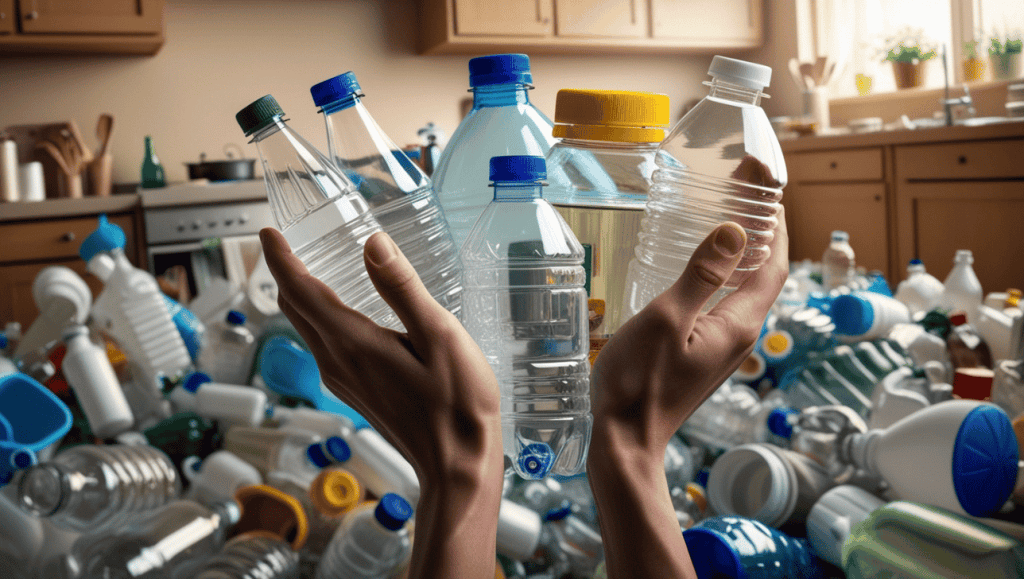
Let’s break down some of the most prevalent toxins found in modern homes:
- Phthalates: These sneaky substances are in everything from vinyl flooring to shower curtains. They’re like that clingy friend who just won’t take the hint.
- Volatile Organic Compounds (VOCs): These guys are off-gassing from paints, furniture, and even some air fresheners. Fresh scent? More like fresh health concerns!
- Perfluoroalkyl and Polyfluoroalkyl Substances (PFAS): Found in non-stick cookware and some water-resistant clothing. They’re the “forever chemicals” that stick around longer than leftover lasagna in the fridge.
- Formaldehyde: Not just for high school biology class anymore! It’s in pressed wood products, some fabrics, and certain insulation materials.
- Bisphenol A (BPA): This one’s hanging out in your food containers and canned goods. It’s like the uninvited guest at your kitchen party.
Now, I’m not trying to scare you, but the health risks associated with long-term exposure to these toxins are no joke. We’re talking respiratory issues, hormone disruption (like mine), and even increased cancer risk.
But here’s the thing – knowledge is power! Once I understood what I was dealing with, I could actually do something about it. Creating a non-toxic living environment isn’t just some trendy thing for health nuts. It’s about protecting yourself and your family.
I’ll be honest, overhauling your home to be toxin-free can feel overwhelming. Trust me, I’ve been there. Start small. Maybe swap out your cleaning products for natural alternatives. Or invest in some glass food containers to replace those plastic ones. Every little change adds up, and before you know it, you’re breathing easier and start feeling better – literally!
Look, I’m not perfect. I still sometimes grab the convenient option over the non-toxic one. But being aware of these household toxins has made me a more conscious consumer. And let me tell you, there’s something empowering about knowing you’re creating a safer environment for your family.
Room-by-Room Non-Toxic Makeover
Where do I even start with my room-by-room non-toxic makeover adventure? Let’s kick things off in the heart of the home – the kitchen.

This is where my non-toxic crusade began, actually. I was cooking dinner one night when I noticed the non-stick coating on my favorite pan was starting to flake off. Yum, toxic chemicals with a side of stir fry, anyone? No thanks!
So, I did a deep dive into safe cookware options. Stainless steel, cast iron, and ceramic-coated pans quickly became my new best friends. Sure, there was a learning curve (RIP, first few attempts at over-easy eggs), but now I feel like a pro.
And don’t even get me started on food storage! I went on a glass container buying spree that would make Marie Kondo proud. No more plastic leaching into my leftovers, thank you very much.
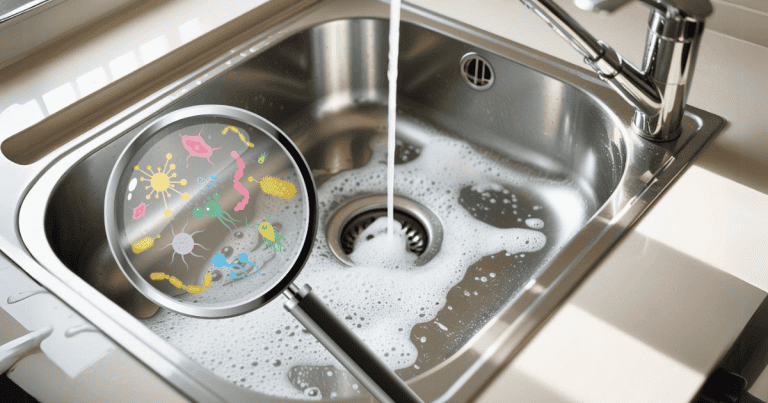
As for cleaning products, I became a DIY queen. Vinegar and baking soda are now staples in my pantry. They clean like nobody’s business, and bonus – my kitchen doesn’t smell like a chemical factory anymore.
Moving on to the bedroom – aka the sleep sanctuary. Did you know we spend about a third of our lives sleeping? When I learned that, I knew I had to make some changes. I invested in a non-toxic mattress, and let me tell you, it was a game-changer. No more waking up with mysterious headaches or that weird chemical smell.
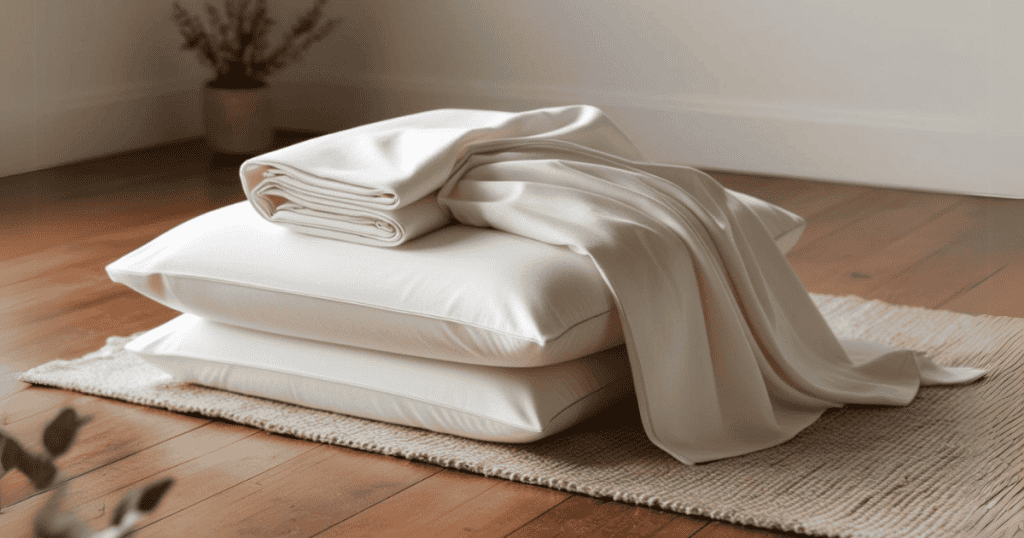
Organic cotton sheets and pillowcases were next on the list. They’re not just better for my health, but they feel amazing too. It’s like sleeping on a cloud, I swear.
And don’t even get me started on air purification. I bought a HEPA filter, and suddenly, my allergies weren’t acting up as much. Coincidence? I think not!
Now, let’s talk about the bathroom. This is where things got really interesting. I never realized how many chemicals were in my personal care products until I started reading labels. It was like trying to decipher a foreign language! But once I got the hang of it, I started swapping out my products for natural alternatives.
I found an amazing natural shampoo that doesn’t make my hair feel like straw (yay!), and I even started making my own body scrub with coffee grounds and coconut oil. My skin has never been happier, and I smell like a tropical vacation 24/7.
One bathroom upgrade that completely changed my wellness game was installing a shower filter. After researching the benefits of shower filters, I realized we absorb so many chemicals through our skin and lungs while showering in unfiltered water.
Since making the switch, my skin feels softer, my hair is shinier, and I no longer feel like I’m taking a steam bath in chlorine! Plus, it was surprisingly easy to install – definitely one of my smartest non-toxic investments.
As for cleaning, I whipped up a batch of non-toxic bathroom cleaner that works wonders. Goodbye, eye-watering chemical fumes when I clean the shower!
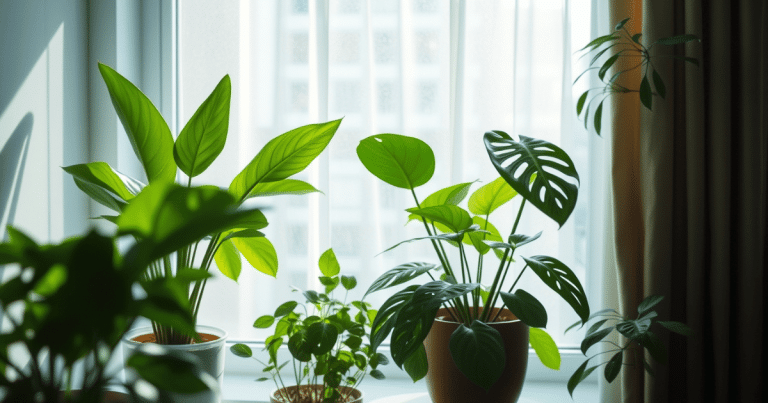
Last but not least, it turns out, certain indoor plants are great at purifying the air. So now my living room looks like a mini jungle, but hey, at least it’s a healthy jungle!
Oh, and I can’t forget my home office! With remote work becoming such a big part of our lives, creating a non-toxic home office setup became a priority for me. I spent hours researching low-emission furniture, proper ventilation, and eye-friendly lighting options.
It’s amazing how much better I feel after a long day of work now that I’ve eliminated those sneaky office toxins. If you’re spending lots of time working from home, trust me – this is one area you don’t want to overlook.
Non-Toxic Cleaning Solutions and DIY Recipes
Switching to non-toxic cleaning products has been a game-changer! The benefits? Where do I even start? Natural cleaning products are way gentler on surfaces. I used to scrub my countertops but now a gentle wipe does the trick.
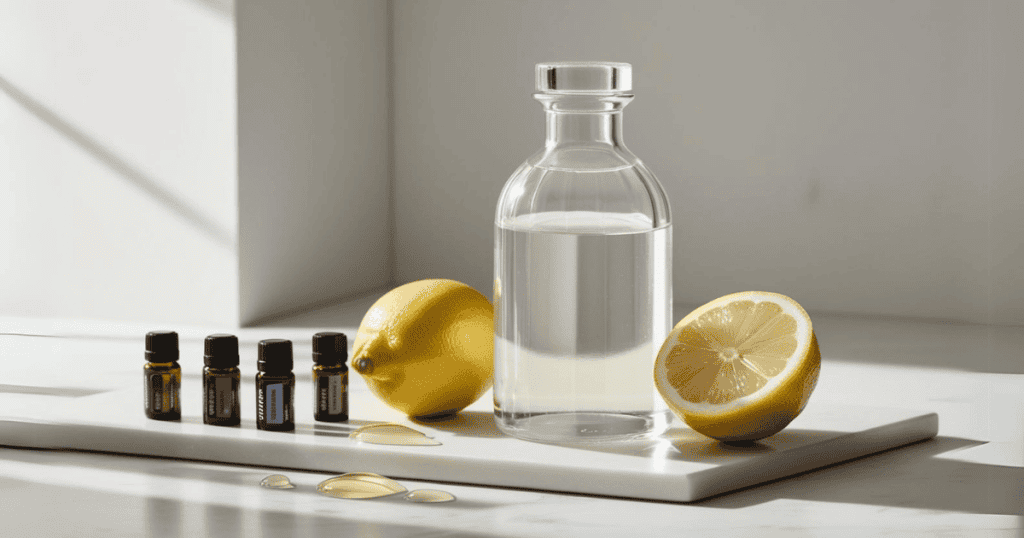
Now, let’s talk essential ingredients. Buckle up, because this is where it gets exciting (yes, I’m a cleaning nerd now, deal with it). The MVPs in my cleaning arsenal are:
- White vinegar: This stuff is like the Swiss Army knife of cleaning. It cuts through grease, removes odors, and even softens laundry.
- Baking soda: The ultimate scrubber and deodorizer. It’s like a magic eraser, but better.
- Lemon juice: Nature’s bleach, I tell ya. Plus, it smells amazing.
- Castile soap: A little goes a long way with this plant-based wonder.
- Essential oils: Because who doesn’t want their house to smell like a spa?
Now, onto the fun part – DIY recipes! I feel like a mad scientist in my kitchen, but instead of creating monsters, I’m whipping up cleaning solutions. Here’s my go-to all-purpose cleaner:
Mix 1 cup water, 1/2 cup white vinegar, and 15 drops of your favorite essential oil in a spray bottle. Shake it up, and voila! You’ve got yourself a cleaner that can tackle everything from countertops to windows.
For laundry detergent, I use this simple recipe:
- 1 cup washing soda
- 1 cup borax
- 1 grated bar of castile soap
Mix it all together, use 1-2 tablespoons per load, and watch your clothes come out fresh and clean!
Speaking of laundry, I’ve become quite passionate about creating a chemical-free laundry routine! While the natural detergent recipe above is a great start, there’s so much more to explore. I’ve written extensively about chemical-free laundry tips that have transformed how I care for my family’s clothes.
If you’re just getting started, you might want to check out my complete guide to natural laundry detergent options – both store-bought and homemade. And don’t worry about tough stains – I’ve got you covered with my tested natural stain removal techniques that work just as well as (if not better than) conventional products. Trust me, once you see how effective these natural methods are, you’ll never go back to harsh chemicals again!
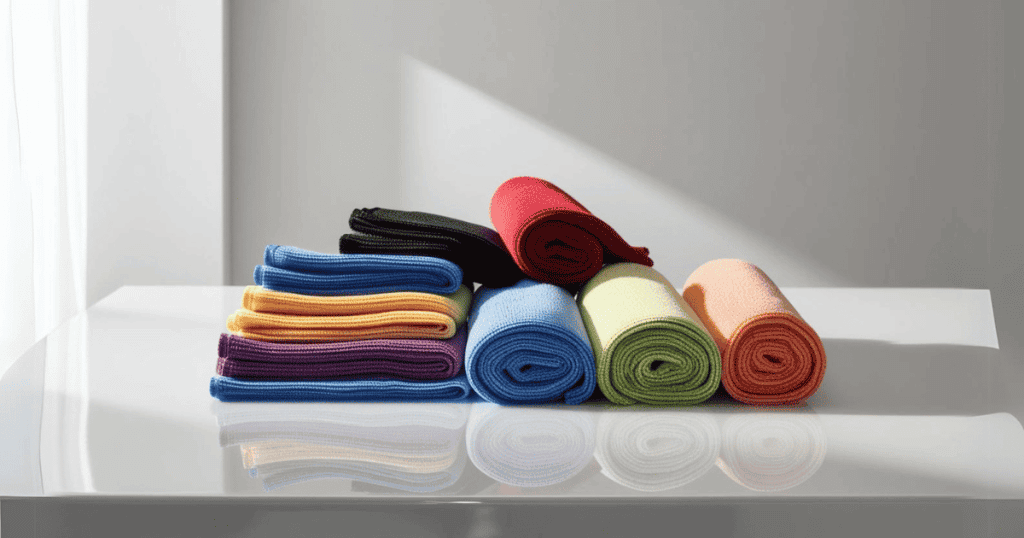
Another pro tip? Microfiber cloths are your best friend. They trap dirt and dust like nobody’s business, and you can wash and reuse them. Mother Earth gives you a high-five every time you choose microfiber over paper towels.
Oh, and here’s a game-changer: steam cleaning. I bought a steam cleaner on a whim, and holy moly! It sanitizes floors without any chemicals at all. Just water! It’s like cleaning with the power of science, but the good kind of science.
One last thing – patience is key with natural cleaning. Sometimes you gotta let things sit for a bit. That baking soda and vinegar combo on your shower tiles? Give it 15 minutes to work its magic. Use that time to dance around to your favorite cleaning playlist (What? You don’t have one? Get on that!).
Listen, I know switching to non-toxic cleaning can feel overwhelming. There were days I wanted to throw in the towel (pun intended) and go back to my old chemical-laden ways. But stick with it! Your health, your family’s health, and the planet will thank you.
And hey, if all else fails, remember this: a little bit of elbow grease goes a long way. Sometimes, the most effective green cleaning technique is good old-fashioned scrubbing. Consider it your arm day workout!
Creating a Non-Toxic Personal Care Routine
I used to think I was being healthy by religiously following my skincare routine and washing my makeup brushes. But when I actually started reading the labels I saw parabens, phthalates, sulfates – what in the world were all these ingredients, and why did they sound like they belonged in a chemistry lab rather than on my face?
I learned that many common ingredients in our everyday products can be potential hormone disruptors, skin irritants, or even carcinogenic. Yikes!
Take parabens, for example. It was a tragic day when I found this ingredient listed on my favorite mascara. These little nasties are preservatives found in everything from shampoos to lotions. Turns out, they can mimic estrogen in the body and have been linked to breast cancer.
And don’t even get me started on fragrance – that innocent-looking word can hide a cocktail of undisclosed chemicals. Not cool, beauty industry, not cool at all!
So, I decided to overhaul my entire personal care routine. It wasn’t easy, I’ll admit. There were definitely some trial-and-error moments.
But I eventually found some amazing natural alternatives. For skincare, I discovered the magic of oils. Almond oil has become my go-to moisturizer, and rosemary oil is fantastic for dry ends.
For oral hygiene, I started using a natural toothpaste without fluoride or artificial sweeteners. I was skeptical at first (I mean, can anything really replace that minty fresh feeling?), but I’ve grown to love it.
Now, let’s talk DIY recipes. Making your own personal care products is not only fun, but it also ensures you know exactly what’s going into them. My favorite is a simple body scrub made with coffee grounds, coconut oil, and a bit of vanilla extract. It smells divine and leaves my skin super soft. Plus, it’s a great way to use up those coffee grounds!
But here’s the thing – even if you’re not ready to go full DIY, reading product labels is crucial. It’s like being a detective, trying to spot those sneaky toxic ingredients. Here are a few tips I’ve picked up:
- The fewer ingredients, the better. If the list looks like a novel, it’s probably not great for you.
- If you can’t pronounce it, research it. Some hard-to-pronounce ingredients are actually okay, but many aren’t.
- Be wary of “fragrance” or “parfum”. These can hide a multitude of sins.
- Look out for ingredients ending in “-eth” or “-oxynol”. These are often contaminated with harmful byproducts.
While learning to read product labels can feel overwhelming at first, it became so much easier once I understood non-toxic product certifications. These little symbols and seals on packaging are like a secret language once you know what to look for!
I’ve put together a comprehensive guide on non-toxic product certifications that helps decode these symbols. Think of it as your cheat sheet for shopping!
And you know what’s really empowering? Learning how to read product labels like a pro. I remember standing in store aisles for hours, Googling ingredients on my phone. No more of that!
I’ve created a detailed guide on how to read product labels that breaks down everything from common ingredient names to sneaky marketing terms. Once you know what to look for (and what to avoid), shopping for non-toxic personal care products becomes second nature.
These days, I can scan a product label in seconds and know exactly what I’m putting on my body. It’s like having a superpower – a really nerdy, ingredient-savvy superpower! But seriously, understanding labels and certifications has made such a difference in my non-toxic journey. It’s helped me make better choices not just for personal care items, but for everything I bring into my home.
I’ll be honest, sometimes I miss the convenience of grabbing any old product off the shelf. And yes, there are days when I longingly eye those fancy department store creams. But then I remember how much better my skin looks and feels, and how I’m no longer worried about what I’m putting on my body.
Maintaining Indoor Air Quality
It turns out, our homes are like little pollutant traps. Who knew? I certainly didn’t until I started digging into the sources of indoor air pollution.
First off, there’s the usual suspects – dust, pet dander, and pollen. But then there’s the sneaky culprits like off-gassing from furniture and carpets, cleaning products, and even our beloved scented candles. I nearly had a heart attack when I learned that some air fresheners can actually make indoor air quality worse. Talk about irony!
One day, I decided to tackle my indoor air quality issue head-on. I marched into a store, determined to buy every air purifier they had. The salesperson probably thought I was planning to live on Mars or something. But here’s the thing – while air purifiers are great, they’re not the only solution.
But let’s talk about the importance of proper ventilation. I used to think that keeping my windows closed would keep the pollution out. Wrong! It turns out, indoor air can be up to five times more polluted than outdoor air. Mind. Blown.
So, I started opening my windows for at least 15 minutes a day, even in winter. Yes, I looked ridiculous wearing a parka in my living room, but hey, fresh air is worth it! And let me tell you, the difference was noticeable. It was like my house could finally breathe again.
Now, onto my favorite part – houseplants! I’ve turned my apartment into a mini jungle, and I love it. Spider plants, peace lilies, snake plants – you name it, I’ve probably killed it at least once. But once I got the hang of it (turns out, plants need water, who knew?), these leafy friends became my air-purifying allies.
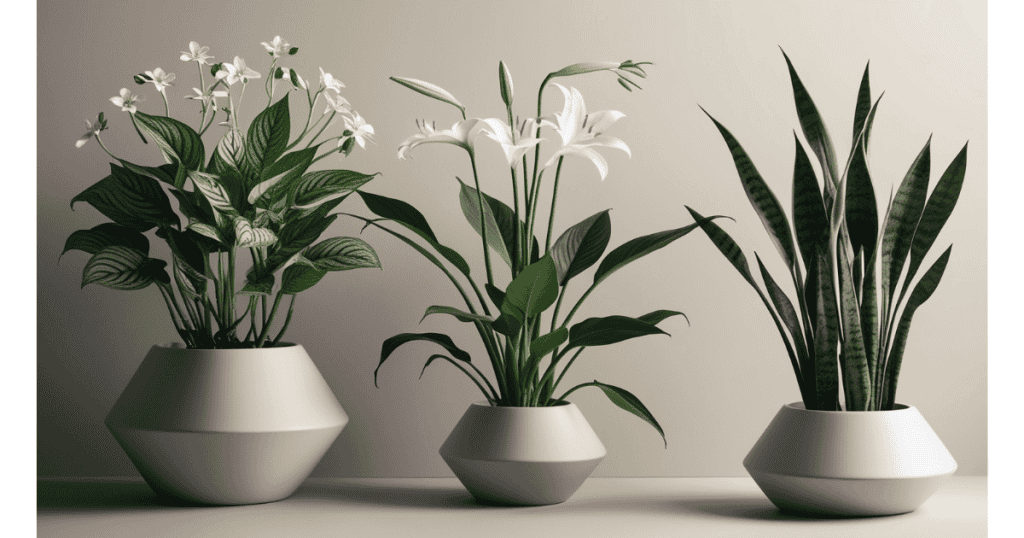
My favorite is the rubber plant. Not only does it look cool, but it’s also great at removing formaldehyde from the air. Plus, it’s pretty hard to kill, which is perfect for someone with my, uh, “unique” plant-care skills.
I’ll be honest, this journey hasn’t always been smooth sailing. There was the time I went overboard with essential oils in my homemade air freshener and nearly gassed myself out of the house.
Just remember, maintaining good indoor air quality is an ongoing process. It’s not like you can just buy an air purifier and call it a day (trust me, I tried). But with a little effort and maybe a few plants, you too can breathe easy in your own home.
Conclusion
Congratulations! You’re now armed with the knowledge to create a healthier, non-toxic home environment.
This non-toxic home guide is your roadmap to creating a healthier, safer living environment. Remember, transforming your living space doesn’t have to happen overnight – small, consistent changes can make a big difference in reducing your exposure to harmful chemicals.
By following this comprehensive non-toxic home guide and being mindful of the products you bring into your space, you’re taking significant steps towards a healthier lifestyle for you and your family. So, take a deep breath (of clean air!) and enjoy the peace of mind that comes with your newly detoxified living space. Here’s to a happier, healthier home in 2025 and beyond!