Natural Mold Prevention: 9 Eco-Friendly Ways to Keep Your Home Safe
Did you know that this sneaky little fungus can start growing in as little as 24-48 hours under the right conditions? Talk about an unwanted houseguest that overstays its welcome!
I’ve been on a mission to keep my home mold-free without resorting to harsh chemicals that make me feel like I need a hazmat suit just to clean my bathroom.
Trust me, I’ve been down that road, and it’s not pretty. That’s why I’m super excited to share with you my top 9 natural mold prevention techniques that’ll keep your home fresh, clean, and most importantly, healthy in 2025.
Understanding Mold: Your Home’s Unwanted Guest
So, what exactly is mold? Well, it’s basically a type of fungus that thrives on moisture and organic matter. Think of it as nature’s little decomposer, which is great for breaking down dead leaves in the forest, but not so great when it decides to make your bathroom its new home.
Now, there are tons of different types of household mold, but the most common culprits are:
- Aspergillus: This overachiever can grow on almost anything!
- Penicillium: Yep, like the antibiotic, but this one’s not here to help.
- Stachybotrys chartarum: Also known as “black mold” – the supervillain of the mold world.
But here’s where it gets serious, folks. Mold isn’t just unsightly; it can be downright dangerous to your health.
Mold exposure can cause all sorts of health issues, from allergic reactions (hello, sneezing fits!) to respiratory problems. For some people, especially those with asthma or weakened immune systems, it can be even more severe.
1. The Power of Proper Ventilation

Here are some natural ventilation techniques that have worked wonders for me:
- Cross ventilation: Open windows on opposite sides of a room or house. It’s like creating a wind tunnel that sweeps moisture right out the door!
- Stack effect: In multi-story homes, open windows on the lowest and highest floors. Hot air rises, carrying moisture with it. It’s like your house is breathing!
- Bathroom savvy: Always, and I mean ALWAYS, use the exhaust fan during and after showers. I even set a timer on my phone to remind me to keep it running for 30 minutes after I’m done.
Now, I know what you’re thinking – “But what about when it’s too cold or hot outside to open windows?” That’s where mechanical ventilation comes in, my friends. Fans and dehumidifiers are your best buddies here.
Oh, and here’s a pro tip I picked up: use fans strategically. Place a fan in windows to blow air out on one side of your house and in on the other. It’s like creating your own personal wind current!
The bottom line is this: proper ventilation is like giving your home a breath of fresh air – literally.
2. Harness the Magic of Essential Oils
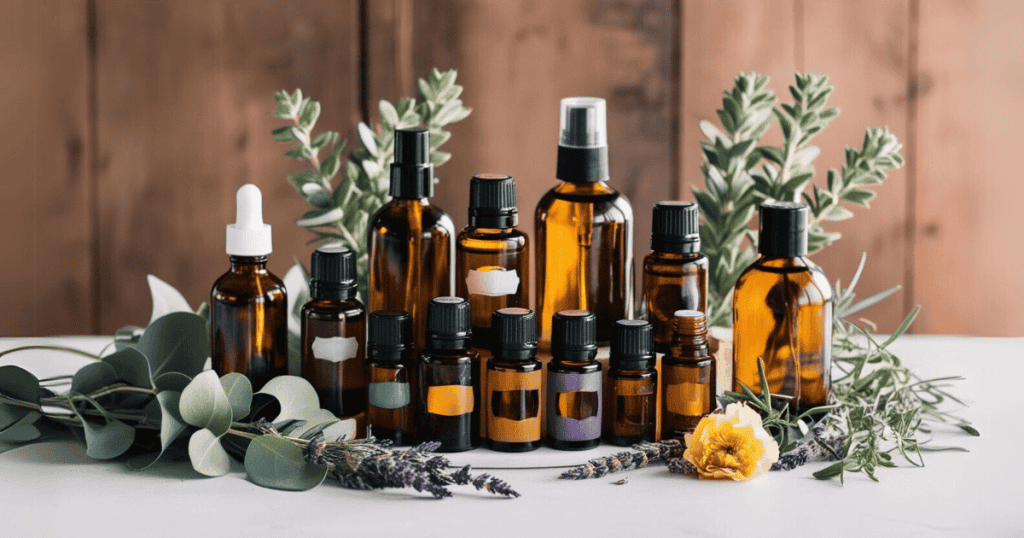
Now, I know what you might be thinking. “Essential oils? Isn’t that just something for fancy diffusers and spa days?” Well, hold onto your hats, because these little bottles of plant power are about to become your new secret weapon in the fight against mold.
Here are the top mold-busting essential oils that have become my go-to arsenal:
- Tea Tree Oil: The heavyweight champion of the mold-fighting world. This stuff is no joke!
- Eucalyptus Oil: Not just for koalas, folks. It’s a mold knockout punch in a bottle.
- Lavender Oil: Turns out, it does more than just help you sleep. Mold hates it!
- Peppermint Oil: Minty fresh and mold-free? Yes, please!
- Cinnamon Oil: Who knew your favorite holiday scent was also a mold terminator?
2025 Update: Recent studies have shown that thyme oil and oregano oil also have powerful antimicrobial properties that combat mold growth.
Multiple studies demonstrate that these compounds work by disrupting the cell membranes of fungi, preventing their growth and reproduction. Adding these to your arsenal can provide even more eco-friendly options!
Now, before you go dumping these oils all over your house (learn from my mistakes, people), here’s how to use them effectively:
- Dilute, dilute, dilute: Mix a few drops with water or vinegar in a spray bottle. Your nose (and your wallet) will thank you.
- Spot treatment: Apply diluted oil directly to problem areas with a cotton ball.
- Diffuse: Use an essential oil diffuser to spread those mold-fighting molecules through the air.
And here’s my favorite DIY essential oil spray recipe that’s become my go-to for mold prevention:
Mold Prevention Recipe
Mix it all in a spray bottle, shake well before each use, and voila! You’ve got yourself a natural mold-preventing powerhouse.
3. Vinegar: Your All-Natural Mold Nemesis
So, why does vinegar work against mold? Well, it’s all about that acetic acid, baby! Vinegar is naturally acidic, which creates an environment that mold absolutely hates. It’s like kryptonite for these fungal foes.
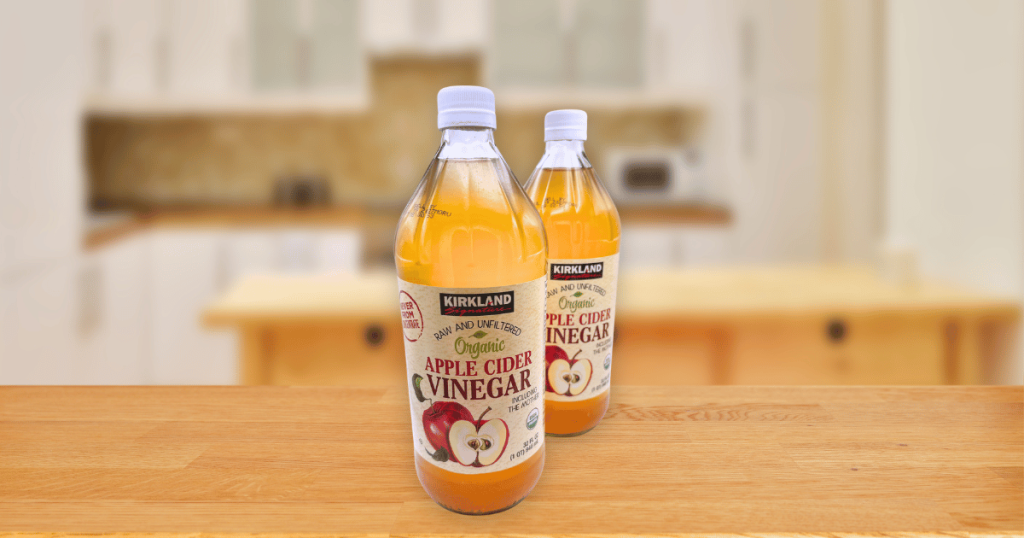
A 2015 study showed that while vinegar was effective in mold growth prevention against certain types of mold, it was not be effective against all types of mold.
Here’s how I’ve learned to use vinegar for both prevention and cleaning:
- Straight-up attack: For existing mold, spray undiluted white vinegar directly onto the affected area. Let it sit for an hour, then scrub with a brush and rinse. Boom! Mold annihilated.
- Daily defense: Mix equal parts water and vinegar in a spray bottle. Use this to spritz down shower walls, bathroom tiles, and other mold-prone areas after use. It’s like creating a force field against mold!
- Laundry hero: Add a cup of vinegar to your washing machine’s rinse cycle to prevent mold and mildew on clothes and towels. Trust me, your gym socks will thank you.
- Humidifier hack: Run vinegar through your humidifier to prevent mold growth. Just remember to rinse well, unless you want your room smelling like a salad.
Now, let’s address the elephant in the room – the smell. I’ll be honest, the first time I used vinegar, my bathroom smelled like I was making a giant batch of pickles. But here’s the good news – the smell disappears as it dries, taking the mold with it!
And for those of you who might be tempted to reach for the bleach instead, let me stop you right there. I used to be a bleach believer too, until I learned that while bleach might remove the surface mold, it doesn’t penetrate porous surfaces to kill the roots.
Plus, it’s harsh on your lungs and the environment. Vinegar, on the other hand, gets down to the nitty-gritty and stops mold at its source.
4. Tea Tree Oil: Nature’s Powerful Mold Destroyer
Tea tree oil isn’t just a pretty face in the essential oil world. This stuff is a bonafide mold destroyer, thanks to its potent antimicrobial properties. It’s like kryptonite for mold spores!
Here’s the science-y bit: Tea tree oil contains compounds called terpenoids, which can break down the cell walls of mold and fungi. It’s like sending in a microscopic wrecking crew to demolish mold at its very foundation. Pretty cool, right?
Now, before you go dousing your whole house in tea tree oil (trust me, I’ve been tempted), here’s how to use it correctly and safely:
- Dilution is key: Mix about 1 teaspoon of tea tree oil with 1 cup of water in a spray bottle. Shake well before each use.
- Spot treatment: For stubborn mold patches, apply the diluted solution directly to the area with a cotton ball or soft cloth.
- Prevention spray: Spritz your diluted tea tree solution on mold-prone areas like shower curtains, windowsills, and basement walls once a week.
- Laundry boost: Add a few drops to your washing machine to keep mildew at bay on towels and gym clothes.
But here’s where I need to get serious for a sec. Tea tree oil is powerful stuff, and with great power comes great responsibility (thanks, Spiderman). So, here are some precautions to keep in mind:
- Never, ever ingest tea tree oil. It’s for external use only, folks!
- Keep it away from pets, especially cats. They can have severe reactions to essential oils.
- Do a patch test before using it on surfaces to make sure it won’t damage the finish.
- If you’re pregnant or have allergies, check with your doctor before using tea tree oil.
Now, I know what some of you might be thinking – “Does it really work better than bleach?” And to that, I say, absolutely!
Not only is tea tree oil more natural and eco-friendly, but it also gets to the root of the problem instead of just bleaching the surface.
5. Baking Soda: Not Just for Baking
So, why does baking soda work against mold? Well, it’s all about pH, baby! Baking soda is alkaline, which creates an environment that mold absolutely hates. It’s like turning your moldy spots into a fungal ghost town!
Baking soda works against mold due to its alkaline pH, which creates an environment that inhibits mold growth. Studies have shown that sodium bicarbonate (baking soda) can be effective against certain strains of fungi when applied properly.
Eco-friendly cleaning brands have started incorporating baking soda into specialized mold-prevention products that combine it with other natural ingredients for enhanced effectiveness. But why buy when you can DIY?
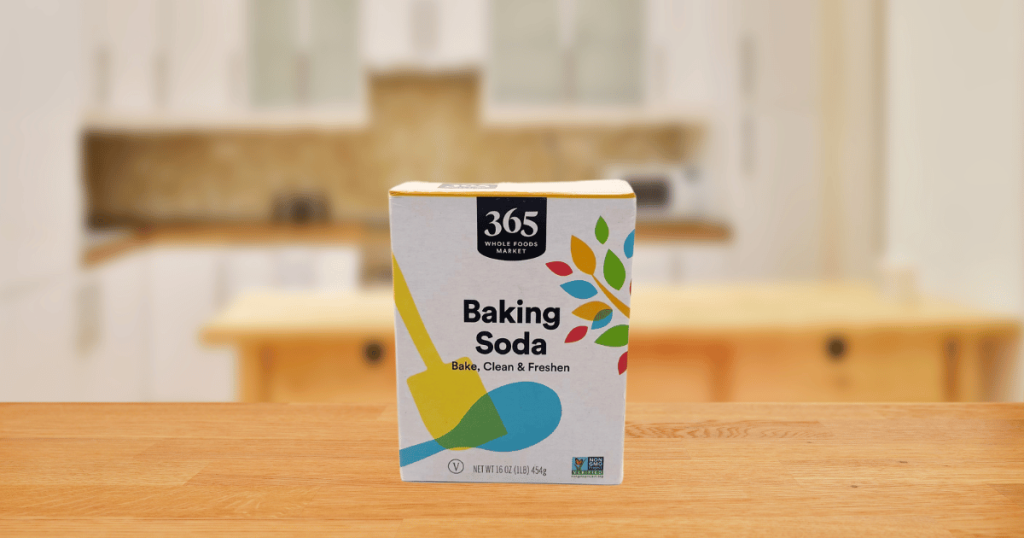
Here’s how I’ve learned to harness the power of baking soda for mold prevention:
- Dry Defense: Sprinkle baking soda in damp areas like basements or closets. It acts like a sponge, soaking up excess moisture before mold can take hold.
- Scrub-a-dub: Make a paste with water and baking soda for a gentle yet effective scrub on moldy surfaces. It’s like a spa treatment for your tiles, minus the cucumber slices.
- Carpet Rescue: Got musty carpets? Sprinkle baking soda liberally, let it sit overnight, then vacuum it up. Goodbye, funky smell!
- Fridge Freshener: Place an open box in your fridge to absorb odors and prevent mold growth. Just don’t mistake it for powdered sugar when you’re half-asleep!
Now, here’s where it gets really exciting. Baking soda plays well with others! I love combining it with other natural mold fighters for a one-two punch against fungal invaders. Here are some of my favorite combos:
- Vinegar + Baking Soda: The classic volcano experiment from grade school science fair, now battling mold in your bathroom!
- Essential Oils + Baking Soda: Mix a few drops of tea tree or lavender oil with baking soda for a scented mold-fighting powder.
- Hydrogen Peroxide + Baking Soda: For tough mold stains, this duo is like the dynamic duo of cleaning.
But here’s the kicker – unlike harsh chemicals, baking soda is safe to use around kids and pets. No need to evacuate the house every time you want to do a deep clean!
So, next time you’re facing a mold situation, don’t underestimate the power of this humble kitchen staple. Grab that box of baking soda and show mold who’s boss! Just maybe keep it away from your baking supplies – unless you’re into savory cookies, that is.
6. Boost Your Home’s Immunity with Proper Insulation
Proper insulation isn’t just about keeping your toes warm in winter or your popsicles from melting in summer. It’s a key player in controlling moisture levels in your home. And as we all know by now, moisture is mold’s best friend and our worst enemy.
Here’s how insulation helps in mold prevention:
- Temperature Regulation: Good insulation keeps the temperature consistent throughout your home, reducing the chance of cold spots where condensation (and mold) can form.
- Vapor Barrier: Many insulation materials come with a vapor barrier that prevents moisture from seeping into your walls. It’s like a raincoat for your house!
- Energy Efficiency: Well-insulated homes require less heating and cooling, which means less humidity from your HVAC system. Less humidity = less mold potential. Win-win!
Now, how do you know if your insulation needs some TLC? Here are some signs I’ve learned to watch out for:
- Cold or hot spots in your home
- Higher than normal energy bills
- Ice dams on your roof in winter
- Drafts around windows and doors
- Moisture or frost on windows and walls
If you’re nodding your head to any of these, it might be time for an insulation check-up. But don’t worry, you don’t need to rip open your walls just yet.
Start with a visual inspection of accessible areas like your attic or crawl space. Look for any signs of moisture, compressed insulation, or gaps in coverage.
Smart Home Tip for 2025: Consider investing in smart humidity sensors throughout your home that can alert you to potential problem areas before mold has a chance to take hold.
These affordable devices can connect to your home automation system and provide early warnings of conditions that might lead to mold growth. Combined with proper insulation that includes vapor barriers, this technology can significantly reduce the risk of mold development in your home.
So there you have it, folks. Proper insulation – not just for staying warm, but for keeping mold at bay too. It’s like giving your home a big, protective hug that says “No mold allowed!” So go forth, insulate wisely, and may your home be forever warm, dry, and mold-free!
7. The Wonders of Sunlight and Fresh Air
UV light is like kryptonite for mold spores. It damages their DNA, preventing them from reproducing and eventually killing them off. It’s like sending your microscopic enemies to fungal heaven! And the best part? It’s completely free and doesn’t involve any harsh chemicals.

Science Corner: Studies show that UV light is effective against mold because it damages their DNA, preventing them from reproducing and eventually killing them off. Just two hours of direct sunlight exposure can kill a significant amount of mold spores on exposed surfaces. Nature’s disinfectant at work!
Here’s how I’ve learned to harness the power of sunlight:
- Regular Sun Sessions: Once a week, I give my curtains, rugs, and even mattresses a good sunbathing session. It’s like a spa day for your home furnishings!
- Strategic Furniture Placement: I’ve rearranged my rooms to allow more natural light in mold-prone areas. Sorry, vampire chic, you’re out!
- UV Lamps: For those really dark, damp spots, I’ve invested in some UV lamps. It’s like bringing a little piece of the sun indoors!
Now, let’s talk about fresh air. Proper air circulation is crucial in preventing mold growth. Stagnant air is like a cozy blanket for mold spores, but a good breeze sends them packing!
Here’s my fresh air strategy:
- Daily Airing: I open all windows for at least 15 minutes a day, even in winter. Yes, I might look a bit silly bundled up in my parka indoors, but it’s worth it!
- Cross Ventilation: I open windows on opposite sides of the house to create a nice airflow. It’s like creating a wind tunnel that sweeps mold right out the door!
- Fans are Your Friends: On days when opening windows isn’t an option, I use fans to keep the air moving. It’s like a mini tornado of mold prevention!
Now, I know what some of you might be thinking – “But what about rainy days? Or if I live in a humid climate?” Fear not! Even on those days, a brief airing out can make a big difference. And in humid climates, combining this method with a good dehumidifier can work wonders.
But here’s the real kicker – not only does this method help prevent mold, but it also improves your overall indoor air quality. It’s like giving your home a breath of fresh air, literally!
So there you have it, folks. Sunlight and fresh air – nature’s dynamic duo in the fight against mold. They’re free, they’re effective, and they don’t involve any complicated gadgets or harsh chemicals. It’s like your home’s very own reset button, refreshing and revitalizing your space every single day.
8. Houseplants: Natural Air Purifiers and Mold Fighters
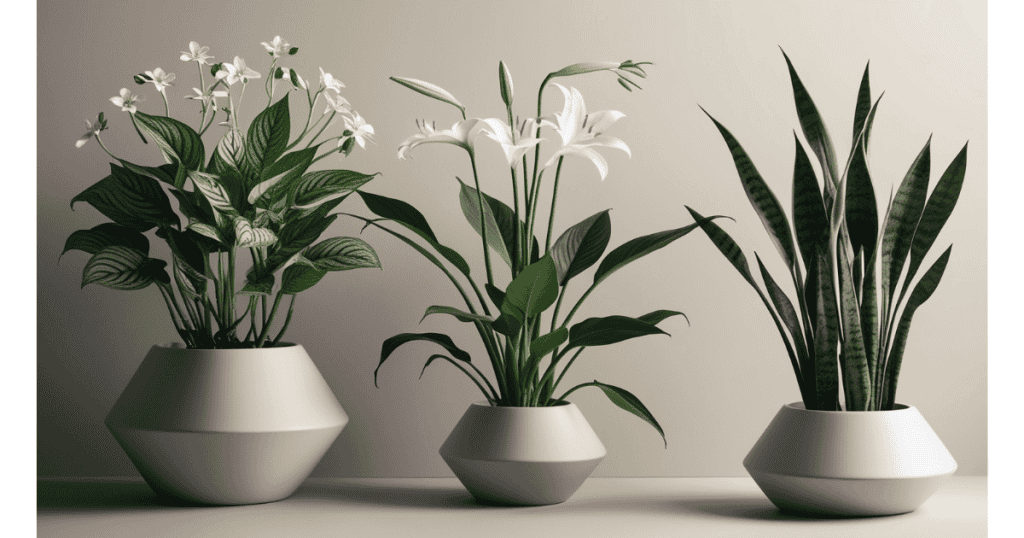
Certain houseplants are like nature’s air purifiers. They absorb excess moisture from the air through their leaves, effectively reducing humidity levels in your home. And as we all know by now, less humidity means less chance for mold to throw a party in your living room.
Here are some of the best moisture-absorbing plants I’ve discovered:
- Peace Lily: This beauty can reduce humidity by up to 50%! Plus, it’s pretty hard to kill, which is perfect for those of us with less-than-green thumbs.
- Boston Fern: This lush plant loves humidity, soaking it up like a sponge. It’s like having a natural dehumidifier in a pot!
- English Ivy: Not only does it absorb moisture, but it’s also been shown to reduce airborne mold spores. Superhero plant, anyone?
- Snake Plant: This tough guy can survive in almost any condition and is great at improving overall air quality.
- Spider Plant: Easy to grow and propagate, these plants are fantastic at absorbing excess moisture.
2025 Botanical Update: The Areca Palm and Tillandsia (air plants) have been found to be particularly effective at filtering airborne mold spores while requiring minimal care.
But wait, there’s more! Some plants are actually mold-resistant themselves, making them perfect for those damp, mold-prone areas of your home:
- Pothos: This trailing beauty is practically indestructible and resistant to mold.
- Succulents: These water-storing plants thrive in dry conditions, making them naturally mold-resistant.
- Bromeliads: With their unique structure, these plants don’t retain water in their soil, reducing the chance of mold growth.
Now, I know what some of you might be thinking – “But don’t plants need water? Won’t that increase moisture?” Here’s where proper plant care comes into play, my friends.
Here are some tips I’ve picked up for keeping your plant allies healthy without creating a mold-friendly environment:
- Don’t overwater: Most plants prefer to dry out slightly between waterings. Stick your finger in the soil – if it’s still damp, hold off on watering.
- Use well-draining pots: Ensure your pots have drainage holes and use a good quality potting mix that doesn’t retain too much water.
- Avoid misting: While some plants love humidity, misting can create water droplets that mold spores love. Try a pebble tray instead for humidity-loving plants.
- Keep leaves clean: Dust can accumulate on leaves, reducing their ability to absorb moisture. Give them a gentle wipe down now and then.
- Proper placement: While most plants love light, keep them out of direct sunlight to prevent excessive transpiration and humidity.
But here’s the really cool part – not only do these plants help fight mold, they also improve your overall indoor air quality.
NASA (yes, the space people!) did a study showing that certain houseplants can remove toxins from the air. It’s like having your own personal air purification system that also happens to look great on your coffee table!
And let’s not forget the mental health benefits. There’s something incredibly satisfying about nurturing a living thing and watching it thrive.
Plus, all that greenery can be a real mood-booster. I swear, talking to my plants while I water them is better than therapy (don’t tell my therapist I said that).
So there you have it, folks. Houseplants – not just pretty faces, but powerful allies in our fight against mold. They’re like the superheroes of the plant world, quietly purifying our air and keeping mold at bay while looking fabulous doing it.
9. Maintain a Clean and Clutter-Free Environment
Clutter and dirt provide the perfect hiding spots for moisture and mold spores to set up camp. By keeping things clean and organized, we’re essentially putting up a “No Vacancy” sign for mold.
Here’s my battle plan for maintaining a mold-resistant home:
- Regular Cleaning Routines: I’ve set up a cleaning schedule that hits all the mold-prone areas. Bathrooms, kitchens, and basements get extra attention. It’s like a weekly eviction notice for potential mold colonies!
- Declutter Like a Boss: Less stuff means fewer places for mold to hide. I regularly go through my belongings and ask, “Does this spark joy… or potentially spark mold growth?”
- Deal with Spills ASAP: Any water or liquid spills get cleaned up immediately. It’s like playing a real-life version of “The Floor is Lava,” except the lava is potential mold growth!
- Keep Air Vents Clear: I make sure furniture and other items aren’t blocking air vents. Good airflow is like kryptonite for mold!
But here’s the kicker – it’s not just about cleaning, it’s about preventing moisture buildup in the first place. I’ve become a moisture detective, always on the lookout for potential problem areas:
- Fix leaks promptly: Even small drips can lead to big mold problems.
- Use exhaust fans: In bathrooms and kitchens, they’re like magic wands that whisk away moisture.
- Keep gutters clean: Clogged gutters can lead to water seepage in walls. Nobody wants an indoor waterfall!
- Use doormats: They trap moisture before it enters your home. It’s like a bouncer for water droplets!
Tech Update for 2025: Smart water leak detectors have become more sophisticated and affordable. These can now be placed in mold-prone areas to alert you to moisture issues before they become mold problems. Some even integrate with your home automation system to automatically shut off water if a major leak is detected!
But here’s the real magic – a clean, clutter-free home isn’t just mold-resistant, it’s a more peaceful place to live. There’s something incredibly satisfying about walking into a tidy room and knowing that you’re not just keeping mold at bay, you’re creating a healthier, happier living space.
Key Takeaways: Natural Mold Prevention
Let’s take a moment to recap our top 10 natural mold prevention techniques:
- Proper ventilation: Let that fresh air flow!
- Essential oils: Nature’s mold-fighting ninjas.
- Vinegar: Not just for salad dressing anymore.
- Tea tree oil: The heavyweight champion of mold destruction.
- Baking soda: The unsung hero of our pantries.
- Proper insulation: Keeping our homes cozy and mold-free.
- Sunlight and fresh air: Mother Nature’s mold-busting duo.
- Houseplants: Our leafy allies in the war on mold.
- Clean and clutter-free environments: Mold’s worst nightmare.
Now, I know what you’re thinking. “This all sounds great, but will I really remember to do all of this?” Well, here’s the beauty of it – you don’t have to do everything at once. Start small, pick one or two techniques that resonate with you, and build from there. Rome wasn’t built in a day, and a mold-free home doesn’t happen overnight either.
To learn about more ways to transform your home, check out our new guide: The Ultimate Non-Toxic Home Guide: Live Healthier in 2025.