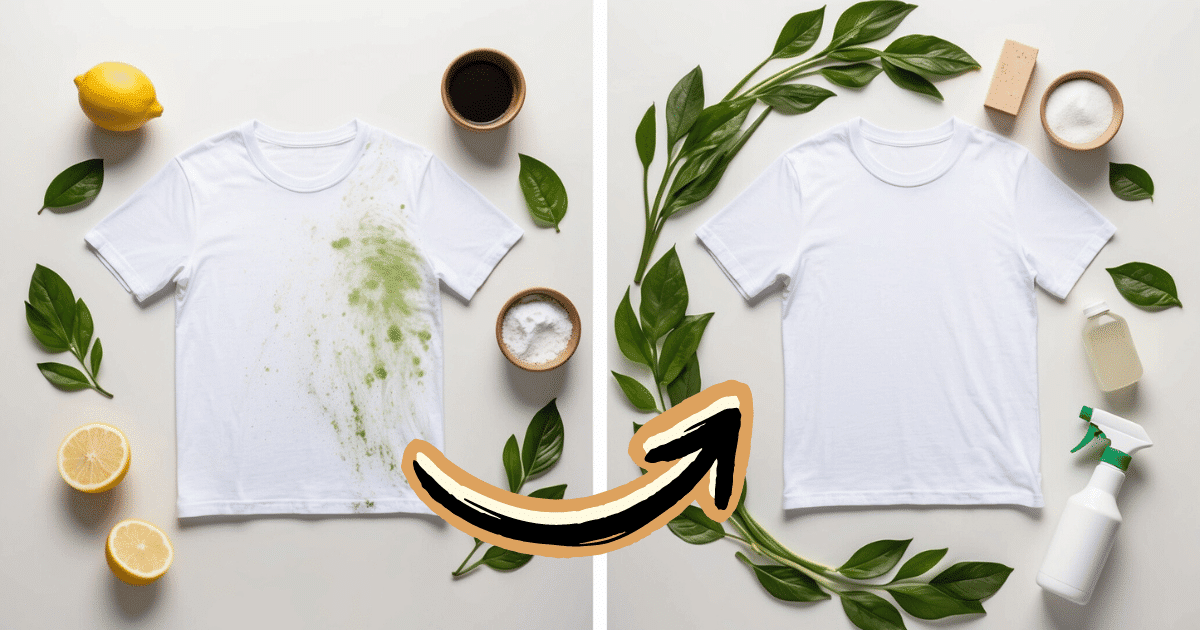
7 Powerful Natural Stain Removal Techniques for 2025
Picture this: You’re hosting a dinner party, feeling pretty good about your adulting skills, when suddenly – splash!
Red wine meets your favorite white shirt in a spectacularly unplanned rendezvous. Ugh, been there, done that, and let me tell you, it’s no picnic! But here’s the thing – you don’t need to reach for those harsh, nose-burning chemicals to save your clothes (or your sanity).
Natural stain removal techniques are not only effective, but they’re also safer for you, your family, and our planet. Plus, most of these methods use stuff you probably already have in your kitchen. Win-win!
In this article, I’m going to spill the beans (hopefully not on your carpet) about 7 powerful natural stain removal techniques that’ll have you conquering stains like a pro in 2025..
The Power of Natural Stain Removers
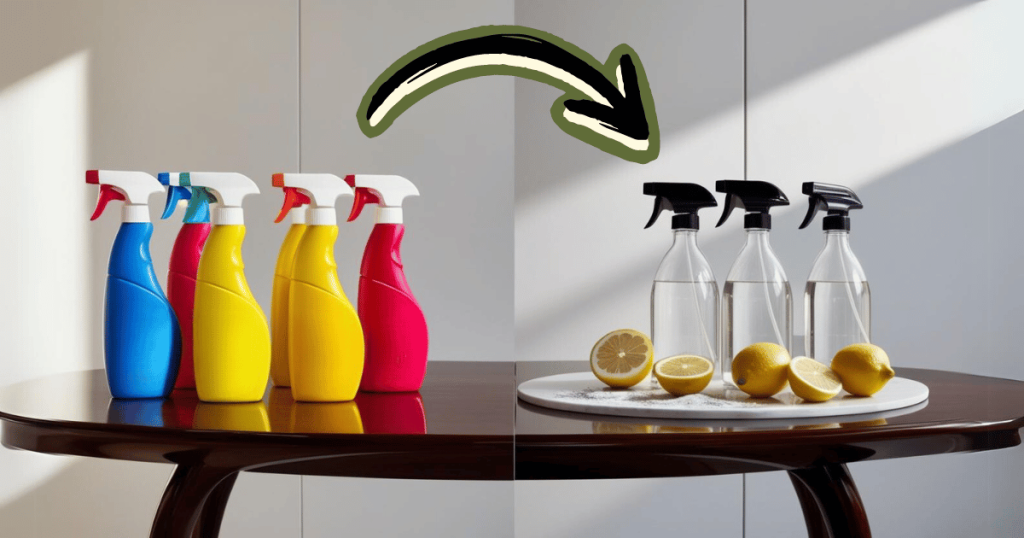
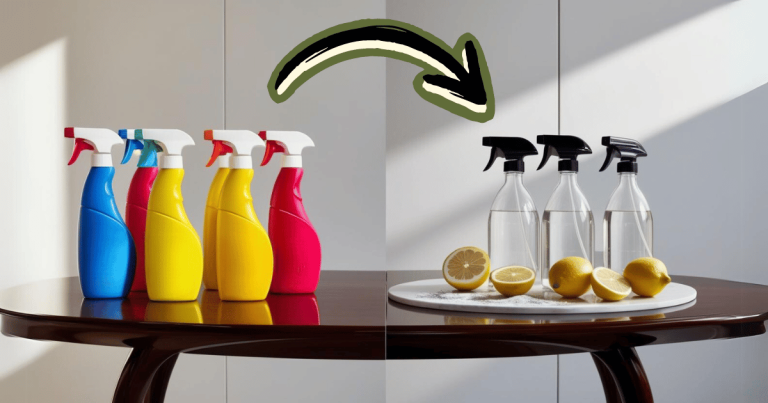
Let me start by saying this: natural stain removers are the unsung heroes of our laundry rooms. I used to be a chemical cleaner junkie, thinking that if it didn’t smell like it could strip paint, it wouldn’t work. Boy, was I wrong!
Natural stain removers have some serious benefits over their chemical counterparts. For starters, they’re way gentler on fabrics. I can’t tell you how many times I’ve accidentally bleached a favorite shirt trying to get out a tiny stain. With natural methods, that’s way less likely to happen.
Plus, these natural solutions are typically made from common household ingredients. We’re talking vinegar, baking soda, lemon juice – you know, the stuff that’s probably sitting in your pantry right now!
Not only does this make them super convenient, but it’s also way easier on your wallet. No more dropping big bucks on fancy stain removers that may or may not work.
But here’s the kicker – natural stain removers are so much better for the environment. Chemical cleaners end up in our water systems, and let’s just say fish don’t appreciate a side of bleach with their dinner. In 2025, as we face increasingly serious climate challenges, making these small eco-friendly changes in our daily routines matters more than ever.
Now, I’m not saying you should start chugging vinegar or rubbing lemons all over your body (please don’t). While natural ingredients are generally safer, it’s still important to use them correctly. Always test on a small, inconspicuous area first, and if you have sensitive skin, you might want to wear gloves. Safety first, folks!
Pre-treatment: The Key to Successful Stain Removal
First things first: speed is your friend. The moment disaster strikes – whether it’s a glob of ketchup on your lap or a coffee spill on your desk – you need to channel your inner Flash and act fast.
The longer a stain sits, the more time it has to set into the fabric and laugh in the face of your cleaning efforts. Don’t give it that satisfaction!
Now, here’s where a lot of people mess up (and trust me, I’ve been there). Your instinct might be to grab the nearest napkin and start scrubbing like your life depends on it. STOP!
That’s only going to push the stain deeper into the fabric. Instead, you want to blot. Gently press a clean cloth or paper towel onto the stain to absorb as much of the offending substance as possible.
Here’s a pro tip I wish someone had told me years ago: always blot from the outside of the stain towards the center. This prevents the stain from spreading and creating an even bigger problem. It’s like containing a spill – you don’t want that stuff going everywhere!
Oh, and before you go all in with your chosen stain removal method, do yourself a favor and test it on an inconspicuous area first.
Remember, every fabric is different. What works like magic on your cotton tee might wreak havoc on your silk blouse. With today’s innovative fabric blends becoming increasingly common in 2025, this step is more important than ever. When in doubt, check the care label. It’s like the instruction manual for your clothes that nobody reads – until now!
Pre-treatment might not be the most exciting part of stain removal (let’s be honest, none of it is exactly a thrill ride), but it’s crucial. It’s setting the stage for your stain-fighting success story.
1. Vinegar: The Multi-Purpose Stain Fighter
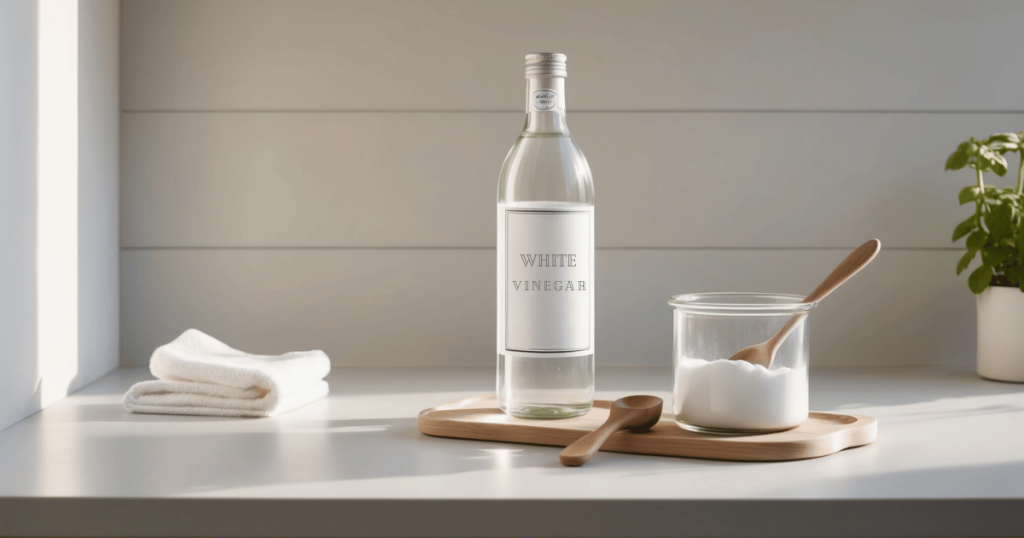
Vinegar is like the Swiss Army knife of natural stain removal. It’s not just for making your fish and chips taste better!
Vinegar smells. It’s not exactly a scent you’d bottle up and wear as perfume. But trust me, that tangy odor is a small price to pay for its stain-fighting superpowers. And the smell doesn’t linger once the vinegar dries, so your clothes won’t end up smelling like a pickle factory.
So, what kind of stains can vinegar tackle? Oh boy, where do I start? It’s great for those pesky yellow underarm stains (you know the ones), coffee and tea marks, and even some types of ink stains.
Using vinegar for stain removal is pretty straightforward. For most stains, you can just apply it directly to the spot and let it sit for about 30 minutes before washing as usual. For tougher stains, you might need to let it soak overnight. Just be patient – good things come to those who wait!
Now, here’s where it gets really interesting. Vinegar plays well with others. It’s like the friendly kid in class who gets along with everyone. Mix it with baking soda and you’ve got a powerful paste that can tackle even the most stubborn stains.
I use this combo on carpet stains and let me tell you, it works like a charm. Just be prepared for the fizzy reaction – it’s like a mini science experiment in your living room!
One word of caution though – vinegar is acidic, so it’s not suitable for every type of fabric. Avoid using it on delicate materials like silk or leather. Always do a patch test first, okay? I learned this the hard way when I tried to remove a stain from my favorite leather jacket. Let’s just say it didn’t end well.
And here’s a bonus tip that’s gained popularity in 2025: apple cider vinegar can work just as well as white vinegar for many stains, with a slightly less harsh smell. Plus, it’s great for adding to your wash cycle as a natural fabric softener. It helps remove soap residue and leaves your clothes feeling super soft. Your wallet and your nose will thank you!
2. Baking Soda: Your Stain-Busting Superhero

This stuff is like the Clark Kent of cleaning supplies – it might look unassuming, but it’s got some serious superpowers when it comes to stain removal.
Now, I’ll admit, I was skeptical at first. I mean, isn’t baking soda just for, well, baking? And maybe deodorizing your fridge? But let me tell you, this humble powder has saved my bacon (and my clothes) more times than I can count.
The magic of baking soda lies in its ability to form a paste. Mix it with a little water, and you’ve got yourself a powerful stain-fighting weapon.
It’s like creating your own cleaning product, minus all the unpronounceable chemicals. Plus, it’s way more fun than just spraying something from a bottle. You’ll feel like a mad scientist, but in a good way!
I’ve found that baking soda paste works wonders on all sorts of fabrics. Cotton, polyester, even that fancy moisture-wicking workout gear – baking soda doesn’t discriminate. Just remember to be gentle when you’re applying it. You’re not scrubbing pots and pans here!
Now, here’s where it gets really cool. Baking soda doesn’t just remove stains – it tackles odors too. It’s like getting two superheroes for the price of one!
But wait, there’s more! You can also use baking soda in your laundry to boost your regular detergent’s cleaning power. Just add about a half cup to your wash cycle. It helps balance the pH levels in the water, which means your clothes get cleaner. Science is cool, right?
Oh, and here’s a pro tip I wish I’d known sooner: for really tough stains, let the baking soda paste sit overnight. I know, I know, waiting is hard. But trust me, giving that paste time to work its magic can make all the difference.
A new trend in 2025 is combining baking soda with a few drops of lemon essential oil for an extra cleaning boost and a fresh scent. This combination is particularly effective on sweat stains and food spills.
Now, a word of caution: while baking soda is generally safe for most fabrics, it can be a bit abrasive. So if you’re dealing with super delicate materials, you might want to try a different method. And as always, do a patch test first. Better safe than sorry, right?
3. Lemon Juice: Nature’s Bleach Alternative
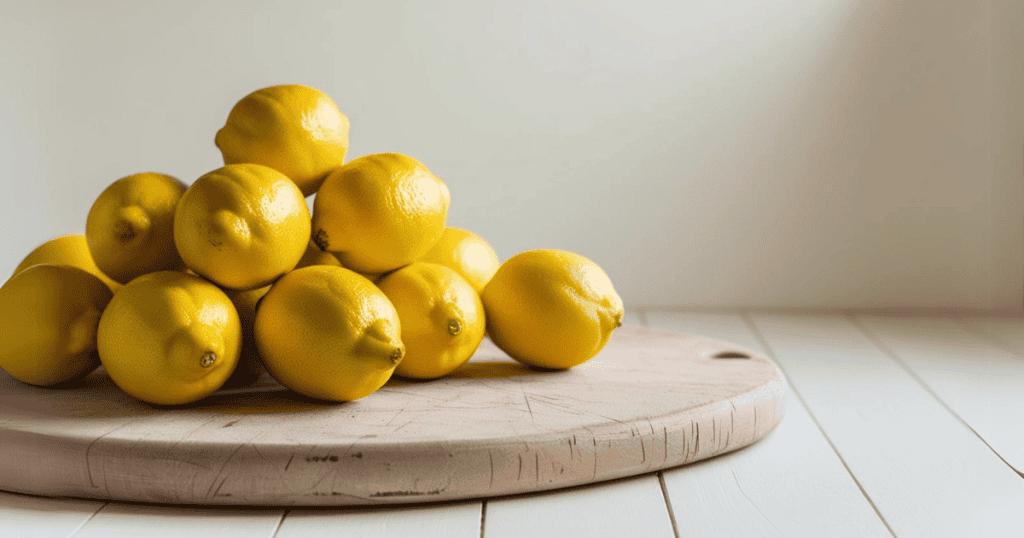
These zesty little fruits aren’t just for making lemonade or garnishing your G&T. Nope, they’re also secret weapons in the battle against stains. That’s right, lemon juice is like nature’s bleach, minus the harsh chemicals and that eye-watering smell. It’s like the cool, laid-back cousin of traditional bleach.
Now, I’ll be honest, when I first heard about using lemon juice for stain removal, I was skeptical. I mean, wouldn’t it just make everything smell like a citrus grove? (Not that that’s necessarily a bad thing, mind you.) But let me tell you, this stuff works wonders on certain types of stains.
Lemon juice is particularly great for tackling those annoying yellowish sweat stains on white clothes. You know the ones I’m talking about – those stubborn marks that make your favorite white tee look like it’s been through a war. Well, lemon juice is here to save the day!
Here’s a little trick I learned: squeeze some lemon juice directly onto the stain, then sprinkle it with salt. It’s like you’re making a tiny margarita on your shirt (minus the tequila, unfortunately). Let it sit in the sun for a bit, and voila! The stain starts to fade like magic. It’s almost like watching a time-lapse video of stain removal.
Lemon juice can also help with rust stains, fruit stains, and even some ink marks. It’s like the Swiss Army knife of natural stain removers.
Now, here’s where I need to put on my responsible adult hat for a moment. While lemon juice is amazing, it’s not suitable for every fabric. It can have a bleaching effect, which is great for whites but not so great for your favorite red sweater. Always test it on an inconspicuous area first.
Now, let’s talk about the sun. No, I’m not changing the subject – the sun can actually boost the stain-fighting power of lemon juice. It’s like a tag team of nature’s cleaning crew.
After applying lemon juice to a stain, try hanging your garment in direct sunlight. The sun’s UV rays help to naturally bleach the fabric, enhancing the lemon’s stain-removing abilities. Just be careful not to leave it out too long, or you might end up with a sun-faded spot!
One thing I’ve learned (the hard way, of course) is that patience is key when using lemon juice. Unlike chemical bleaches that work almost instantly, lemon juice needs a bit more time.
A new development for 2025: with growing concerns about water conservation, many are turning to lemon juice as a water-efficient cleaning option. Since you apply it directly to stains rather than soaking entire garments, it’s becoming popular in drought-prone areas.
4. Salt: More Than Just a Seasoning
Alright, let’s shake things up a bit and talk about salt. Yep, that’s right – the same stuff you sprinkle on your fries can be a powerful ally in your stain-fighting arsenal. Who knew, right?
Now, I know what you’re thinking – “Isn’t salt supposed to cause stains?” Well, yes and no. While it’s true that salt water can leave those annoying white marks on your clothes (looking at you, beach days), dry salt can actually be a stain-removing superhero.
Here’s the deal: salt is absorbent and abrasive, which makes it great for soaking up fresh spills and scrubbing away dried-on stains.
Salt is particularly effective on red wine, blood, and grease stains. It’s like it has a personal vendetta against these stubborn marks. For fresh stains, just pour a generous amount of salt on the spot and let it sit. You’ll actually see it start to absorb the liquid – it’s pretty cool, like a little science experiment happening right on your shirt.
For dried stains, try making a paste with salt and water. Rub it gently into the stain and let it work its magic for a while before washing.
Oh, and here’s a nifty trick: salt and vinegar aren’t just for chips anymore. Mixing these two can create a powerful stain-removing solution. It’s particularly effective on rust stains. Who knew your fish and chips seasoning could double as a cleaning product?
Now, a word of caution: while salt is generally safe for most fabrics, it can be a bit abrasive. So don’t go scrubbing like you’re sanding down a piece of furniture. Gentle is the name of the game here. And as always, test it on a small, hidden area first. Better safe than salty, right? (Sorry, I couldn’t resist the pun!)
One more thing – don’t forget to brush or rinse away all the salt before washing your garment. Otherwise, you might end up with a weirdly crunchy shirt. Trust me, it’s not a fashion trend you want to start.
A trending approach in 2025 is using Himalayan pink salt instead of regular table salt for stain removal. While it works essentially the same way, many people report that the mineral content in pink salt provides slightly better results on certain stains. Plus, it looks fancy sitting in a little jar by your laundry station!
5. Enzyme-Based Solutions: Tackling Protein Stains
Now, I know “enzyme” might sound like something straight out of your high school biology textbook, but trust me, these little guys are stain-fighting rockstars.
Enzyme cleaners are like the special forces of the natural stain-removing world. They’re particularly effective against protein-based stains – we’re talking blood, sweat, grass, and yes, even those lovely baby spit-up stains. (Parents, I see you nodding knowingly.)
Here’s the cool part: enzymes work by actually breaking down the proteins in the stain. It’s like they’re eating away at the stain. Gross, but effective!
Now, you can buy enzyme cleaners at the store, but where’s the fun in that? If you’re feeling a bit like a mad scientist (and let’s be honest, who doesn’t sometimes?), you can actually make your own enzyme cleaner at home.
All you need is some brown sugar, lemon peels, and water. Mix them together in a container, let it ferment for a few months, and voila! You’ve got your very own enzyme cleaner.
Just be warned: it might smell a bit funky. Small price to pay for stain-fighting superpowers, if you ask me!
If you’re not into waiting months for your cleaner (patience isn’t my strong suit either), you can also use certain fruits as enzyme cleaners. Pineapple and papaya contain enzymes that can break down protein stains. Just mash up some fruit and apply it directly to the stain. It’s like a tropical vacation for your laundry!
One thing I’ve learned about enzyme cleaners: they work best in warm water. Hot water can actually kill the enzymes, rendering them useless. It’s like sending your stain-fighting army into battle without any weapons. Not cool.
Oh, and here’s a pro tip: enzyme cleaners can be great for getting rid of pet stains and odors on carpets and upholstery. Just be sure to test it on an inconspicuous area first. I learned this lesson the hard way when I accidentally discolored a small patch of my carpet. Oops!
New for 2025: With more people adopting pets during recent years, specialized enzyme formulations for pet stains have become increasingly popular. These targeted solutions contain specific enzyme blends designed to tackle the unique proteins in pet messes. Many pet owners are now making their own specialized enzyme cleaners using natural ingredients like citrus peels and yogurt cultures.
Remember, when using enzyme cleaners, patience is key. Unlike some chemical cleaners that work almost instantly, enzymes need time to do their thing.
6. Essential Oils: Fragrant Stain Fighters
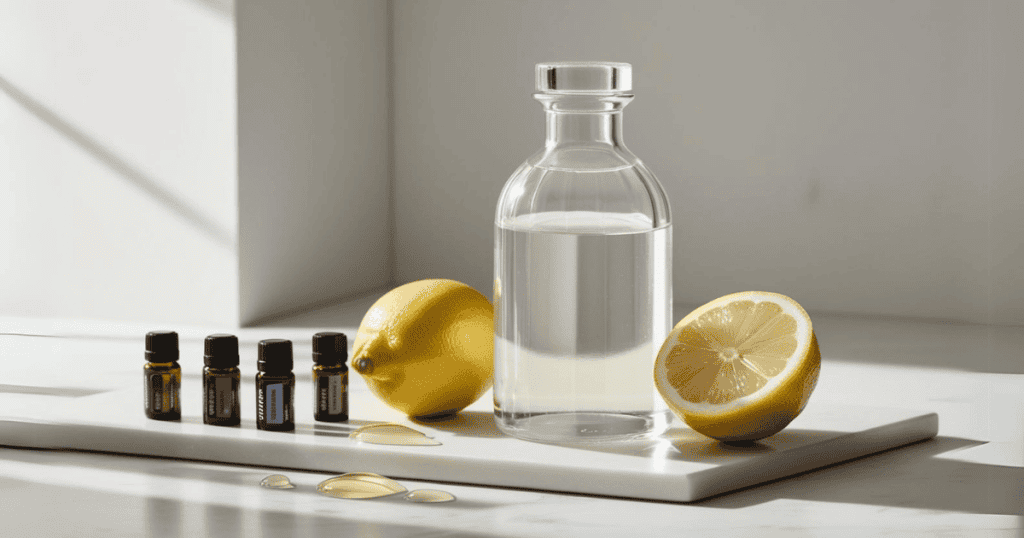
Alright, let’s talk about something that smells a whole lot better than vinegar or fermented enzyme cleaners: essential oils! That’s right, these little bottles of fragrant goodness aren’t just for making your home smell like a spa – they can also be secret weapons in your stain-fighting arsenal.
Different essential oils work well for different types of stains. Tea tree oil, for example, is great for tackling mold and mildew stains. Lemon and orange oils are fantastic for grease stains. And lavender oil? It’s perfect for those pesky ink stains. It’s like having a whole cleaning crew, each specialized in fighting different stains, right in your pocket!
Here’s a little trick I’ve learned: mix a few drops of essential oil with some baking soda to make a paste. This combo is like the dynamic duo of natural stain removal. The baking soda provides a bit of scrubbing power, while the essential oil works its stain-lifting magic. Plus, it leaves your clothes smelling fabulous!
Now, a word of caution: essential oils are potent stuff. A little goes a long way. You don’t need to empty half the bottle onto your clothes (unless you want to smell like you’ve been marinating in a lavender field, which, honestly, doesn’t sound too bad). Just a few drops will do the trick.
Oh, and here’s something cool: using essential oils for stain removal doubles as aromatherapy. Feeling stressed about that stubborn stain? The calming scent of lavender might just help you chill out while you’re scrubbing away. It’s like a spa day for your laundry!
One more thing to keep in mind: always dilute essential oils before using them on fabrics. Straight essential oils can be too strong and might damage delicate materials. Mix them with a bit of water or a carrier oil like coconut oil before applying.
A 2025 trend that’s taking the cleaning world by storm is creating personalized essential oil stain-fighting blends. People are combining oils like eucalyptus, cedarwood, and bergamot not only for their cleaning properties but also for their therapeutic benefits. These custom blends are becoming popular as thoughtful housewarming gifts – much more exciting than a typical gift basket!
7. Natural Stain Removal Techniques for Specific Materials
Alright, stain warriors, let’s get specific. We’ve covered a lot of general techniques, but what about when you’re dealing with particular materials? Because let’s face it, that silk blouse needs a different approach than your kid’s grass-stained jeans.
Let’s start with carpets and upholstery, shall we? These can be tricky because you can’t just toss them in the washing machine (believe me, I’ve been tempted). For these, I’ve found that a mixture of vinegar and baking soda works wonders. It’s like unleashing a fizzy cleaning volcano on your stains!
Just sprinkle baking soda on the stain, spray with a mixture of equal parts water and vinegar, let it fizz, then blot away. It’s oddly satisfying, like a science experiment that actually cleans your house.
Now, onto wooden surfaces. I once spilled red wine on my beautiful oak dining table (don’t judge, we’ve all been there). In a panic, I mixed equal parts olive oil and vinegar and gently rubbed it on the stain. To my amazement, it actually worked! The vinegar lifted the stain while the oil conditioned the wood. It was like a spa treatment for my table.
When it comes to clothing, different fabrics need different approaches. For delicate fabrics like silk or wool, always opt for gentler methods. For these fabrics, try a mixture of lukewarm water and mild dish soap. Gently dab, don’t rub, and rinse with cold water.
For sturdy fabrics like denim or canvas, you can be a bit more aggressive. This is where that salt and lemon juice combo we talked about earlier really shines. Or for really tough stains, try making a paste with powdered oxygen bleach and water. It’s like giving your clothes superpowers!
Oh, and here’s a weird one I discovered by accident: shaving cream can be great for removing makeup stains from collars and cuffs. Just apply, let it sit for a few minutes, then rinse. It’s like your shaving cream is moonlighting as a stain remover!
As we move through 2025, there’s been growing attention to sustainable fabrics and how to care for them. For eco-friendly fabrics like hemp, bamboo, and recycled polyester, gentle natural cleaners are best. A mild solution of castile soap works wonders on these materials while preserving their integrity and extending their lifespan.
For those trendy performance fabrics in your athleisure wear, a paste of baking soda and hydrogen peroxide (3%) can work wonders on sweat stains without compromising the technical properties of the fabric.
Remember, no matter what material you’re dealing with, always test your stain removal method on a small, inconspicuous area first. I can’t stress this enough. I’ve had too many “oops” moments to count because I skipped this step.
And here’s a pro tip: for any material, the sooner you tackle a stain, the better your chances of removing it. So don’t be like me and leave that coffee stain “for later” only to find it’s set in permanently. Trust me, future you will thank present you for dealing with it right away!
Preventative Measures: Avoid Stains Before They Happen
Alright, stain fighters, we’ve covered a lot of ground on how to tackle stains once they’ve happened. But you know what they say – an ounce of prevention is worth a pound of cure. So let’s talk about how to avoid those pesky stains in the first place!
First up, let’s chat about creating natural stain repellents. One of my favorite tricks is to mix equal parts water and white vinegar in a spray bottle. Give your clothes a light spritz before wearing them, especially in stain-prone areas like underarms or collars. It’s like giving your clothes an invisible shield!
Now, I know what you’re thinking – “Won’t I smell like a salad?” Don’t worry! The vinegar smell disappears as it dries. I use this trick all the time, especially on white shirts, and I’ve never had anyone ask why I smell like pickles.
Another preventative measure is to treat your fabrics with a natural waterproofing spray. You can make your own by mixing beeswax and mineral oil. It’s great for things like canvas shoes or outdoor cushions. Just be aware that it can darken some fabrics, so test it out first!
Let’s talk about quick-response tips for when spills happen – because let’s face it, they will. The key is to act fast! Always blot, don’t rub. Rubbing can spread the stain and push it deeper into the fabric. Trust me, I learned this the hard way with a glass of red wine and a white carpet. Not my finest moment.
Keep a stain emergency kit handy. Include things like white vinegar, baking soda, salt, and a clean white cloth. It’s like a first-aid kit for your clothes! I keep one in my kitchen and one in my car. You never know when a stain emergency might strike!
Oh, and here’s a tip for all you clumsy eaters out there (I’m looking at you, future me): consider using napkins or bibs more often. I know, I know, it sounds like something your grandma would say. But trust me, it’s easier to wash a napkin than to try and get spaghetti sauce out of your favorite shirt.
A new trend in 2025 is the popularity of fabric-specific stain protection sprays made from natural ingredients like aloe vera and coconut oil. These sprays create a thin, invisible barrier that helps prevent stains from setting while being kind to both your skin and the environment.
Another innovation gaining traction this year is the use of silicone bibs for adults at home. Gone are the days when bibs were just for babies! These stylish, discreet protectors are perfect for messy meals like pasta or tacos, and they’re machine washable. Practicality is finally becoming fashionable!
For a more long-term solution, think about the colors and fabrics you buy. Dark colors and patterns are more forgiving when it comes to stains. And some fabrics, like wool and polyester, are naturally more stain-resistant. It’s like choosing clothes with built-in stain protection!
Key Takeaways
We’ve covered a lot of ground in our journey through the world of natural stain removal. From the mighty power of vinegar to the surprising stain-fighting abilities of salt, we’ve explored a whole arsenal of eco-friendly weapons in the war against stains.
Remember, natural stain removal isn’t just about keeping your clothes looking fresh (although that’s a pretty awesome benefit). It’s also about being kind to our planet and reducing our exposure to harsh chemicals. In 2025, as we continue to face environmental challenges, these small sustainable choices in our daily routines make a meaningful difference.
The beauty of these methods is their accessibility – you don’t need expensive products or specialized equipment. Most of these stain fighters are already sitting in your kitchen pantry, ready to be called into action.
As we move through 2025, the trend toward natural cleaning solutions continues to grow. More people are recognizing that our grandparents had it right all along – sometimes the old ways are the best ways, especially when it comes to caring for our clothes and our planet.
So the next time disaster strikes and you find yourself face-to-face with a stubborn stain, remember: you’ve got this! Armed with these natural stain removal techniques, you’re ready to tackle whatever life (or your clumsy dinner guest) throws at you.
To learn about more ways to transform your home, check out The Ultimate Non-Toxic Home Guide: Live Healthier in 2025