16 Best Non-Toxic Home Products for a Healthier Living Space
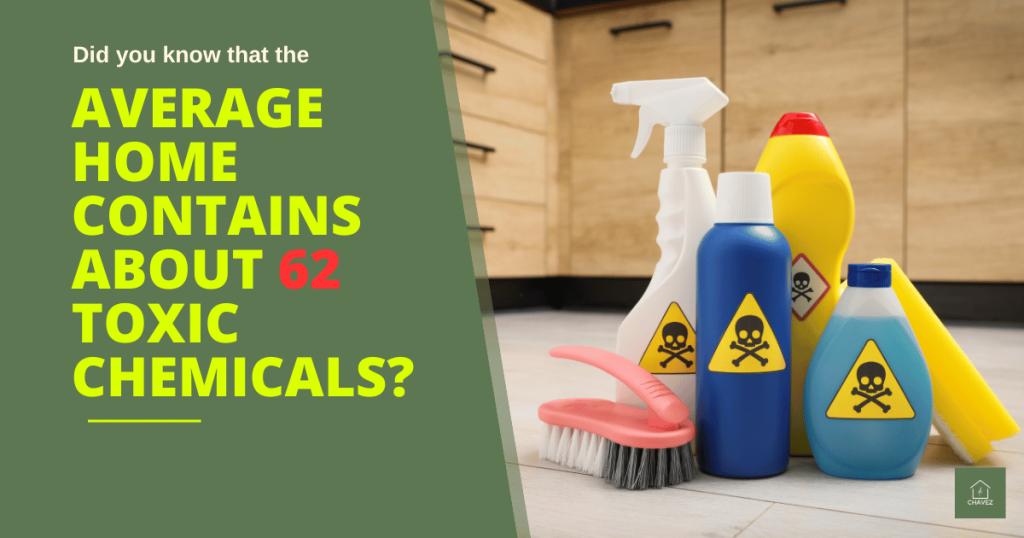
Did you know that the average home contains about 62 toxic chemicals? Yikes!
It’s crazy to think that the products we use every day to clean, cook, and care for ourselves might be doing more harm than good. That’s why I’ve become obsessed with finding the best non-toxic home products, and let me tell you, it’s been quite the journey!
In this article, I’m gonna spill the tea on the best non-toxic home products that’ll help you create a healthier living space in 2024. Trust me, your body (and the planet) will thank you!
We’ll cover everything from cleaning supplies that’ll make your home sparkle without the nasty chemicals, to kitchenware that won’t leach toxins into your favorite recipes. Plus, I’ll share some personal care items that’ll have you feeling fresh and clean without any questionable ingredients.
Understanding the Importance of Non-Toxic Home Products
Alright, let’s get real for a sec. When I first heard the term “non-toxic home products,” I thought it was just another trendy buzzword. After doing some digging (and nearly falling down an internet rabbit hole), I realized how crucial these products are for our health and the environment.
So, what exactly are non-toxic products? In a nutshell, they’re items made without harmful chemicals or substances that could potentially cause health issues or environmental damage. Think of them as the good guys in the world of household products – they’re here to save the day (and your health)!
Now, let’s talk about the bad guys. Common toxins found in household items include things like phthalates, formaldehyde, and volatile organic compounds (VOCs). I know, I know – these names sound like something straight out of a sci-fi movie. But trust me, they’re very real and potentially harmful.
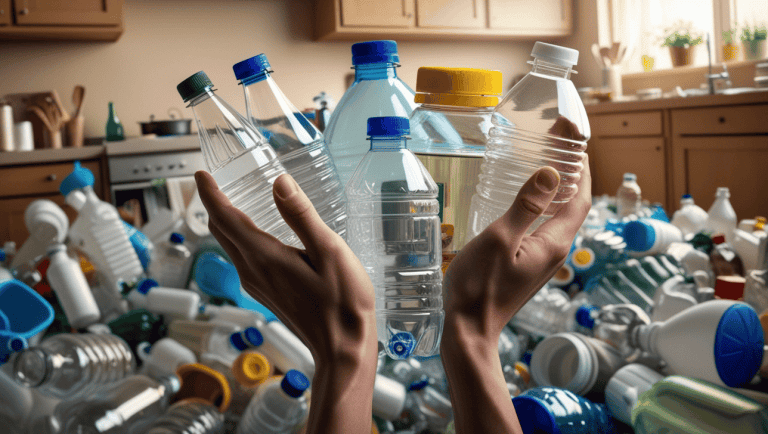
For example, did you know that some conventional cleaning products can trigger asthma or cause skin irritation? And don’t even get me started on the plastic containers that might be leaching chemicals into your leftover lasagna. It’s enough to make you want to live in a bubble!
But here’s the good news: switching to non-toxic alternatives can have some pretty awesome benefits. For starters, you’ll be reducing your exposure to potentially harmful chemicals.
This can lead to fewer allergic reactions, better indoor air quality, and even improved overall health. Plus, many non-toxic products are better for the environment, breaking down more easily and causing less pollution.
I remember when I first started using non-toxic cleaning products. My allergies improved, and I swear my plants even looked happier! It was like my whole house breathed a sigh of relief. And let’s be real, knowing that I’m not contaminating the planet every time I scrub my toilet is a pretty great feeling.
Top Non-Toxic Cleaning Products for a Sparkling Home
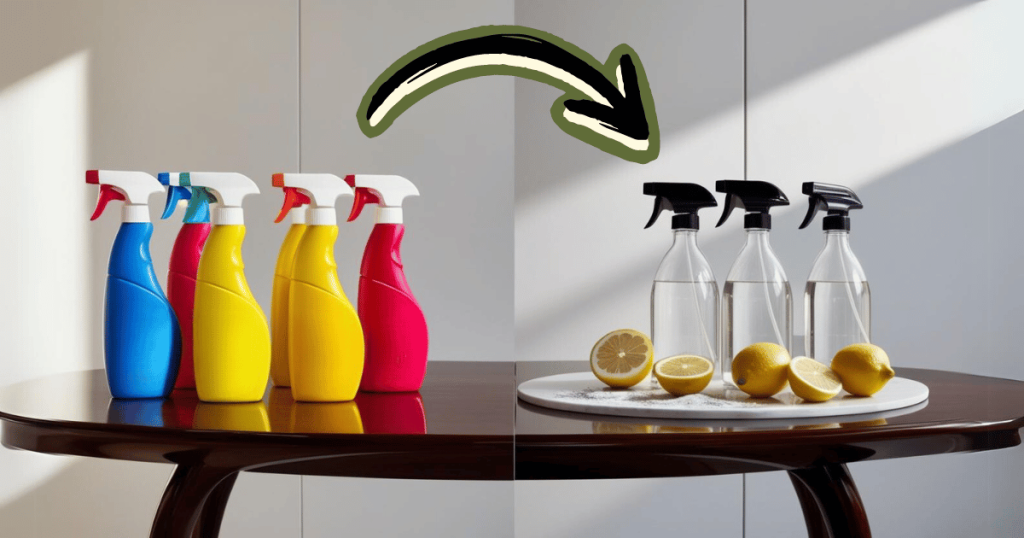
Let’s face it, cleaning isn’t exactly the most exciting task on our to-do lists. But you know what makes it even less appealing? The thought of spreading harmful chemicals all over our homes in the name of cleanliness.
That’s why I’m all about non-toxic cleaning products these days. And let me tell you, they’ve come a long way since the days of ineffective, hippie-dippy cleaners that left your surfaces dirtier than when you started!
1. All-Purpose Cleaners
First up on our non-toxic cleaning parade: all-purpose cleaners. My absolute favorite is the Branch Basics Premium Starter Kit in Glass. This little gem comes with glass reusable bottles and a Concentrate. Just pick a bottle and fill with water to the “water” line on the label. Then fill with Concentrate to the “soap” line on the label. Finally, top off with water, gently shake and start cleaning! Voila! You’ve got a powerful, eco-friendly cleaner that works on everything from countertops to mirrors.
Of course, this is one option of many! Check out the 7 best safe cleaning product alternatives for more product options to keep your home spotless without harsh chemicals.
2. Laundry Detergents
Now, let’s talk about laundry detergents. I used to think that if my clothes didn’t smell like a field of lavender after washing, they weren’t really clean. Natural stain removers have some serious benefits over their chemical counterparts. For starters, they’re way gentler on fabrics. I can’t tell you how many times I’ve accidentally bleached a favorite shirt trying to get out a tiny stain. With natural methods, that’s way less likely to happen.
My current favorite is Branch Basics Laundry Detergent, but check out The Ultimate Natural Laundry Detergent Guide to learn about eco-friendly ingredients, DIY options, and tips for effective, gentle cleaning.
3. Dish Soap
Last but not least, dish soaps. I don’t know about you, but I always felt a little uneasy about using harsh chemicals on the things I eat off of. That’s why I switched to Biokleen Natural Dish Liquid. It’s plant-based, biodegradable, and cuts through grease like nobody’s business. And the best part? It doesn’t dry out my hands or leave them smelling like a chemical factory.
Making the switch to these non-toxic cleaning products has been a game-changer for me. Not only do I feel better about the products I’m using in my home, but I’ve noticed fewer headaches and skin irritations too. It’s like my house is finally breathing a sigh of relief!
Safe and Effective Non-Toxic Personal Care Items
Alright, let’s get personal – personal care, that is! When I first started my non-toxic journey, I thought it was all about cleaning products. But then I had an “aha” moment while slathering on my favorite lotion. If I’m being so careful about what I use to clean my countertops, shouldn’t I be just as picky about what I put on my skin?
4. Hair Care
Let’s start with the hair care department. Finding a non-toxic shampoo and conditioner that actually worked was like trying to find a needle in a haystack. But then I discovered Everist, and it was like the heavens opened up and angels started singing.
Everist uses glycerin and aloe vera moisturizers as the base of their formulas instead of water, leading to a product that cleanses while supporting scalp health and hydration.My hair has never looked better. Who knew you didn’t need a chemistry lab on your head to get shiny, manageable locks?
5. Body Wash
Moving on to body care, let’s talk about body wash. I used to be addicted to those fruity, overly fragranced shower gels. But after switching to Dr. Bronner’s Pure-Castile Liquid Soap, I realized I’d been doing it all wrong. This stuff is like the Swiss Army knife of soaps – it can be used as body wash, shampoo, and even laundry detergent in a pinch! I love the peppermint scent for a refreshing wake-up call in the morning.
6. Deodorant
Now, for the love of all things holy, let’s discuss deodorant. Finding a non-toxic deodorant that actually works is like finding a unicorn. But after much trial and error (and some admittedly stinky days), I found Crystal Mineral Deodorant. This deodorant is one ingredient, literally! It is made of mineral salts which provide an invisible, protective barrier that blocks odor for up to 24 hours.
7. Body Lotion
For body lotion, I’m all about Weleda Skin Food. This thick, rich cream is perfect for dry patches and rough elbows. It’s made with plant extracts and essential oils, so you can feel good about what you’re putting on your largest organ (yes, your skin!).
Remember, our skin absorbs a lot of what we put on it, so choosing non-toxic personal care items is just as important as using safe cleaning products. Your body is your temple, so treat it right with some non-toxic TLC!
Non-Toxic Kitchenware for Healthier Cooking
Let’s talk kitchen, folks! When I first started my non-toxic journey, I thought I was doing great by using natural cleaning products and eco-friendly sponges. But then I had a mini freak-out when I realized that the pots, pans, and containers I was using to cook and store my carefully sourced organic food might be leaching chemicals into my meals. Talk about a plot twist!
8. Cookware
First up, let’s chat about cookware. I used to be all about non-stick pans because, let’s face it, scrubbing burnt-on food is not my idea of a good time. But when I learned about the potential risks of Teflon, I knew I had to make a change. Enter: cast iron! I picked up a Lodge Cast Iron Skillet, and let me tell you, it was a game-changer. Not only is it naturally non-stick when properly seasoned, but it also adds a little iron to your diet. Win-win!
For other cooking needs, I love my set of stainless steel pots and pans from All-Clad. They’re a bit of an investment, but they’ll last forever and won’t leach nasty chemicals into your famous spaghetti sauce.
Check out 7 Safest Cookware Materials for Healthy Cooking to discover the safest cookware materials for healthy cooking and learn about non-toxic and how to choose the best pots and pans for your kitchen.
9. Food Storage
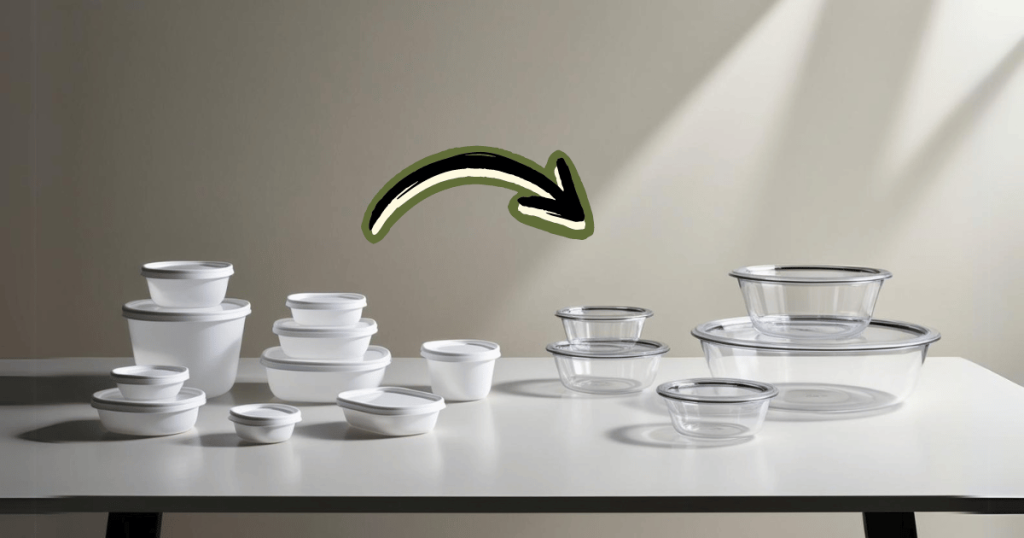
Now, let’s talk food storage. I used to have a cabinet full of plastic containers, but after learning about BPA and other plastic nasties, I decided to make the switch to glass. I’m obsessed with my set of Pyrex Glass Storage Containers. They’re oven-safe, microwave-safe, and won’t hold onto funky food smells. Plus, they look way classier in the fridge than a bunch of mismatched plastic tubs.
10. Utensils & Cutting Boards
When it comes to utensils and cutting boards, bamboo is my go-to. It’s naturally antimicrobial and doesn’t absorb flavors or odors. I love my Bambu cutting board and utensil set. They’re durable, eco-friendly, and look pretty darn cute in my kitchen.
11. Water Bottles
Oh, and can we talk about water bottles for a sec? I used to be a plastic water bottle junkie, but now I’m all about my Klean Kanteen Insulated Water Bottle. It keeps my water cold for hours, doesn’t have that weird plastic taste, and has saved me from buying countless disposable bottles.
Making the switch to non-toxic kitchenware was a bit of a process. I didn’t throw everything out at once (because, hello, budget!), but gradually replaced items as I could.
Remember, the kitchen is where we nourish ourselves and our loved ones. By choosing non-toxic kitchenware, we’re not just making healthier meals – we’re creating a safer, more sustainable home.
Eco-Friendly and Non-Toxic Bedroom Essentials
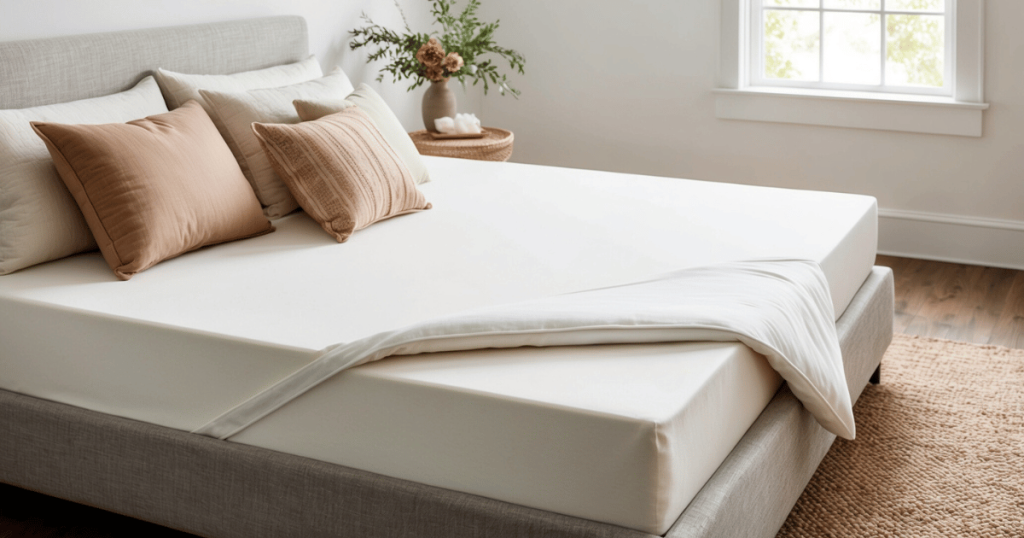
Let’s talk about the sanctuary of your home – the bedroom! I used to not give much thought to my sleeping space. But then I had this wild realization: we spend about a third of our lives in bed. That’s when I knew I had to make some changes to ensure I wasn’t spending 8 hours a night face-planted in a chemical cocktail.
12. Mattresses
Let’s start with the star of the show: the mattress. I used to think that all mattresses were created equal, but boy, was I wrong! After doing some research (and having a minor panic attack about flame retardants), I decided to invest in an Avocado Green Mattress. It’s made with organic materials and natural latex, and let me tell you, it’s like sleeping on a cloud – a non-toxic, eco-friendly cloud!
13. Pillows
Next up, pillows. I replaced my old synthetic pillows with Beans72 Organic Buckwheat Pillows. I know, buckwheat sounds more like a breakfast cereal than a pillow filling, but trust me on this one. These pillows are adjustable, stay cool, and don’t off-gas nasty chemicals while you’re catching your Z’s.
14. Bedding
When it comes to bedding, organic cotton is king (or queen, depending on your bed size). I splurged on a set of Boll & Branch Organic Cotton Sheets, and oh my goodness, it’s like being wrapped in a soft, breathable hug every night. They’re a bit pricey, but considering how much time we spend in bed, I think it’s worth it.
15. Air Purifiers
Now, let’s clear the air – literally. I invested in a Levoit Air Purifier, and it’s been a game-changer. It filters out dust, pollen, and other airborne nasties, helping me breathe easier and sleep better. Plus, it has a night mode that’s quieter than a mouse tiptoeing through a library.
16. Curtains
One thing I didn’t consider at first was my curtains. Turns out, many conventional curtains are treated with flame retardants and other chemicals. I switched to West Elm’s Organic Cotton Curtains, which are not only non-toxic but also block out light like a champ. No more being woken up at the crack of dawn by sneaky sunbeams!
Making these changes to my bedroom has been a real eye-opener (or should I say eye-closer?). I’ve noticed I’m sleeping better, waking up less stuffy, and generally feeling more refreshed in the morning. It’s like my bedroom went from a potential toxic wasteland to a bona fide sleep oasis!
How to Identify and Choose Non-Toxic Home Products?
When I first started this journey, I felt like I needed a chemistry degree just to read product labels. But don’t worry, I’ve done the hard work for you (and only had a few minor meltdowns in the cleaning aisle).
Reading Labels
It’s like learning a new language, but instead of “hello” and “where’s the bathroom?”, you’re looking for words like “phthalates” and “parabens”.
Here’s a pro tip: if you can’t pronounce it, it’s probably not great for you. Look for products that clearly list their ingredients and don’t hide behind vague terms like “fragrance” (which can be a catch-all for dozens of chemicals).
Certifications
These little logos can be your best friends in the world of non-toxic products. Some to look out for:
- USDA Organic: For food and textiles
- GOTS (Global Organic Textile Standard): For textiles
- EWG Verified: For personal care products
- MADE SAFE: For a wide range of products
- Greenguard: For low-emitting products
But here’s the catch – not all non-toxic products have certifications (some are too small or new), and not all certified products are completely non-toxic. It’s a jungle out there!
Researching Ingredients
When it comes to researching ingredients, the Environmental Working Group (EWG) website is my go-to resource. They have a database where you can look up products and ingredients to see how they rate in terms of safety. I’ve spent many a late night down the EWG rabbit hole!
Now, let’s talk about transitioning to a non-toxic home. It can feel overwhelming at first, like you need to throw out everything you own and start from scratch. But breathe easy, my friend. Rome wasn’t built in a day, and your non-toxic home won’t be either.
Start small. Maybe switch out your hand soap or all-purpose cleaner first. Then, as you run out of products, replace them with non-toxic alternatives. Focus on the things you use most often or that come into direct contact with your skin.
Don’t forget to consider your budget. Non-toxic products can sometimes be pricier, but there are affordable options out there. Plus, many non-toxic cleaning products can be made at home with simple ingredients like vinegar and baking soda. (Just don’t mix them together unless you want a science fair volcano in your kitchen. Trust me on this one.)
Key Takeaways
Whew! We’ve covered a lot of ground in our non-toxic home adventure, haven’t we? From cleaning products that won’t make your eyes water to bedding that lets you sleep easy (literally), we’ve explored the wonderful world of safer, healthier home products.
Now, I know what you might be thinking. “This is great and all, but it sounds like a lot of work!” And you’re not wrong. Transitioning to a non-toxic home can feel overwhelming at first. But here’s the thing – every single step you take, no matter how small, is a win for your health and the environment.
Remember, you don’t have to overhaul your entire home overnight. Start small. Maybe switch out your dish soap this week, your shampoo the next. Before you know it, you’ll be a non-toxic ninja, reading ingredient labels like a pro and sniffing out greenwashing from a mile away.
And let’s not forget the most important part – customizing this journey to fit your life. What works for me might not work for you, and that’s okay! Maybe you’re all about that DIY life and want to make your own cleaning products. Or maybe you’d rather buy ready-made non-toxic alternatives. There’s no one-size-fits-all approach here.
FAQs
What is the least toxic home cleaner?
The least toxic home cleaner is one with simple ingredients, such as water, vinegar, baking soda, and essential oils.
What is the best natural thing to clean with?
Vinegar, my friends, is like the Swiss Army knife of cleaning products. It’s a natural disinfectant, deodorizer, and all-around grime-buster. Plus, it’s dirt cheap! I mean, where else can you find a cleaner that costs pennies per use?