
Endocrine Disruptors in Personal Care Products: Protect Your Health
Here’s a startling fact: the average person uses 12 personal care products containing over 112 unique ingredients daily! As an engineer turned wellness advocate, I’ve spent countless hours researching how these everyday products can impact our endocrine system.
When I first discovered that many common skincare ingredients could disrupt our hormones, I knew I had to apply my analytical mindset to create a systematic approach to safer personal care.
This reality hit home for me when I started experiencing unexplained fatigue. After months of investigation, I traced part of the problem to my seemingly “natural” personal care routine. Who would have thought that my expensive clean beauty products still contained hormone-disrupting chemicals?
Let me share what I’ve learned about protecting your family from endocrine disruptors in personal care products while maintaining a practical, science-based beauty routine!
Understanding Endocrine Disruptors: The Science Behind Hormonal Disruption
Think of your endocrine system as a sophisticated email network. Hormones are the messages, and your cells have specific inboxes (receptors) waiting for these messages. Endocrine disrupting chemicals (EDCs) are like spam emails that either block your inbox or send fake messages, creating chaos in your body’s communication system. Pretty crazy, right?
The tricky part about EDCs is that they don’t play by traditional toxicology rules. Remember how I used to think “the dose makes the poison” was an absolute truth? Well, EDCs challenged my engineering mindset because they can cause effects at extremely low doses – we’re talking parts per billion! Even more fascinating (and concerning) is that these chemicals can have different effects at different doses, making them particularly challenging to study.
Through my research, I’ve discovered that EDCs can affect our bodies in three main ways:
- They can mimic our natural hormones, sending false signals
- They can block hormone receptors, preventing real hormones from doing their job
- They can interfere with hormone production, transport, or metabolism
What really blew my mind was learning about their bioaccumulative nature. These chemicals can build up in our fatty tissues over time, creating a “chemical body burden” that may not show immediate effects but can impact our health years down the road. I’ve seen this play out in my own family – my mother’s decades-long use of certain products likely contributed to her thyroid issues later in life.
The latest research on low-dose exposure has been eye-opening. Scientists have found that even minimal contact with EDCs during critical development windows (like pregnancy or puberty) can have significant long-term effects.
Most Common Endocrine Disruptors in Personal Care Products

Let me tell you about my first “clean beauty” audit – it was quite the wake-up call! After learning about EDCs, I pulled out every product from my bathroom cabinet and started investigating. Even with my engineering background, I felt overwhelmed by the complex ingredient lists. But over time, I developed a systematic approach to identifying the most concerning chemicals.
Phthalates were my first big concern. These sneaky chemicals often hide behind the word “fragrance” on labels – a loophole I find particularly frustrating as a data-driven person.
In my research, I discovered that phthalates are excellent at helping fragrances stick around longer, but they’re also excellent at disrupting our hormonal systems, particularly affecting reproductive health.
Here’s a real-world example: I used to love this fancy moisturizer that kept its lovely scent all day. After learning about phthalates, I emailed the company asking about their fragrance ingredients. Their vague response about “proprietary blends” told me everything I needed to know. Now I know better – if a company won’t disclose their fragrance ingredients, I move on.
Parabens were next on my investigation list. These preservatives show up everywhere, usually with names ending in -paraben (methylparaben, propylparaben, etc.). While I understand the need for preservatives (nobody wants moldy face cream!), the research on parabens’ estrogenic activity made me reconsider their necessity. I’ve since found plenty of products using safer preservation systems.
Let’s talk about triclosan – this one really gets me fired up! As someone who once believed more antibacterial meant better, learning about triclosan’s impact on thyroid hormones was a huge paradigm shift. The kicker? Regular soap and water are just as effective at killing germs. Talk about overengineering a solution!
Chemical sunscreens deserve special attention. Ingredients like oxybenzone and octinoxate not only disrupt hormones but can actually be measured in blood samples hours after application. This discovery led me down a fascinating rabbit hole of mineral sunscreen research, completely changing how I approach sun protection.
Reading Labels: A Systematic Approach to Identifying EDCs
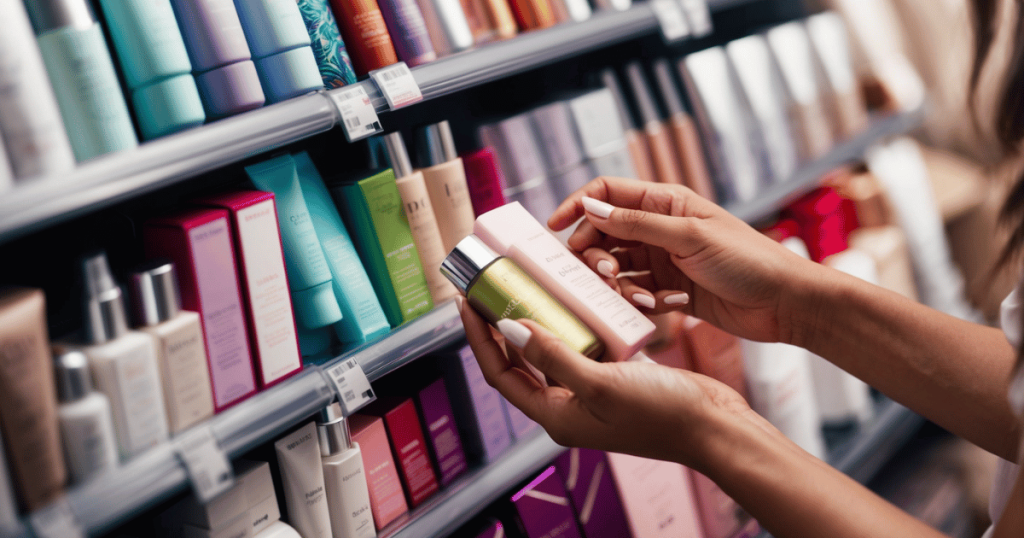
Let me share a breakthrough moment: I was standing in the beauty aisle, feeling overwhelmed by all the “natural” and “clean” claims, when I realized I needed to approach this like a debugging problem. Just like in engineering, we need a systematic way to identify the problematic “code” – in this case, the harmful ingredients.
Here’s the system I developed after months of research and testing:
First, I scan for my “red flag” ingredients – these are the known EDCs that I absolutely avoid:
- Any word containing “paraben”
- “Fragrance” or “parfum” (unless specifically stated as essential oils)
- Words containing “phthalate”
- Triclosan or triclocarban
- BPA or BPS (common in packaging)
But here’s where it gets tricky – companies are clever with their marketing. I once bought an “all-natural” shampoo, only to discover it contained quaternium-15, a formaldehyde-releasing preservative! This taught me to look beyond the front label claims and dig deeper into ingredient lists.
I’ve found several reliable resources for verifying ingredients. The EWG’s Skin Deep database has become my go-to reference, though I always cross-reference with peer-reviewed research (my engineering background makes me a bit skeptical of single sources!). I’ve even created a spreadsheet tracking different ingredients and their evidence-based concerns – yes, I know that’s peak engineer behavior!
As an engineer, I love creating systems, so I developed what I call the “EDC-Free Shopping Guide” – and trust me, it’s saved me countless hours of label reading confusion. Click the link below to download your free copy.
Safe Alternatives: Engineering a Better Personal Care Routine
When I first started transitioning to safer products, I made the classic rookie mistake – I threw out everything at once and bought all new “clean” products. Let’s just say my bank account wasn’t happy, and some of those expensive natural products performed terribly! Since then, I’ve developed a more strategic approach that I wish I’d known about from the start.
The key is to prioritize replacements based on two factors: the level of exposure and the concentration of EDCs. For example, leave-on products like lotions and moisturizers should be prioritized over rinse-off products like shampoo. This approach not only makes the transition more manageable but also more cost-effective.
I’ve experimented with countless natural alternatives, and here’s what I’ve learned works best:
- Instead of conventional deodorant with triclosan, I use a mineral-based option with activated charcoal
- For moisturizer, I switched to organic jojoba oil (simple but effective!)
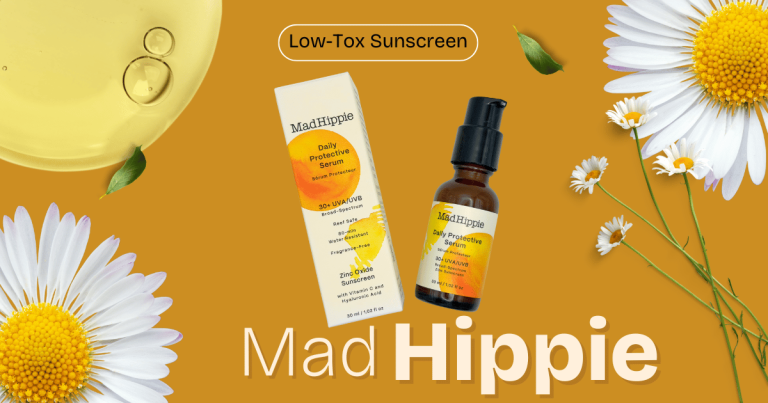
- Mineral sunscreen with non-nano zinc oxide replaced my chemical sunscreens
- Glass containers now store my DIY products to avoid plastic-related EDCs
One of my favorite discoveries was learning to make my own body butter using shea butter, coconut oil, and essential oils. Not only is it EDC-free, but it actually works better than my old store-bought lotions.
Creating an EDC-Free Home Environment
Creating an EDC-free environment isn’t just about personal care products – it’s about taking a holistic approach to your space. Think of your home as an ecosystem where every element affects the others. This systems-thinking approach has helped me create a more comprehensive strategy for reducing EDC exposure.
The biggest game-changer for me was understanding cross-contamination. For instance, storing personal care products in a steamy bathroom can accelerate chemical leaching from plastic containers. I now keep most products in a cool, dark cabinet in my bedroom and use glass containers whenever possible.
Ventilation plays a crucial role too. I installed a better ventilation fan and started opening windows daily. The difference in air quality was noticeable within days.
I’ve also implemented what I call the “Zone Defense” system:
- Bathroom Zone: All products in glass or stable metal containers
- Kitchen Zone: EDC-free food storage and cooking materials
- Bedroom Zone: Natural textiles and EDC-free laundry care
- Living Zone: Air-purifying plants and regular dust management (since EDCs can bind to dust particles)
Impact on Different Life Stages and Populations
One of the most fascinating (and concerning) aspects of EDCs is how their effects vary across different life stages. Through my research and personal experience, I’ve seen how timing of exposure can be just as important as the exposure itself.
During pregnancy, the developing fetus is particularly vulnerable to EDCs. I’ll never forget helping my pregnant friend transition to safer products – we spent weeks researching each ingredient’s potential impact on fetal development. The experience taught me that even small changes during critical windows of development can have lasting effects.
Teenagers face unique challenges with EDCs, especially given their changing hormones and typically heavy use of personal care products. I worked with a local high school to develop an educational program about safer skincare, and the students’ enthusiasm for making informed choices was inspiring!
For women’s reproductive health, the timing of EDC exposure can significantly impact everything from fertility to menopause. My own hormonal imbalances improved notably after eliminating certain EDCs from my routine, though it took several months to see the full benefits.
Conclusion: Taking Action for Hormonal Health
After diving deep into the science of endocrine disruptors and spending countless hours researching safer alternatives, I’ve learned that protecting our hormonal health doesn’t have to be overwhelming. The key is taking systematic, intentional steps toward reducing our exposure while maintaining a practical approach to personal care.
Remember how overwhelming I felt when I first started this journey? Now I see that each small change contributes to a larger impact on our hormonal health. Start with the products you use most frequently or leave on your skin the longest, and gradually work your way through your routine. Trust me – your endocrine system will thank you!
Here’s your action plan to get started:
- Audit your current products
- Prioritize replacing items that have the most contact with your skin
- Implement safe storage solutions to prevent chemical leaching
- Create a reference system for checking new products before purchase
- Make gradual, sustainable changes that work for your lifestyle
Most importantly, remember that this isn’t about achieving perfection – it’s about making informed choices for your family’s health. In my experience, even small changes can lead to significant improvements in hormonal health over time.
Together, we can create healthier homes and protect our families from endocrine disruptors, one product at a time.
To learn about more ways to transform your health, check out The Ultimate Non-Toxic Home Guide: Live Healthier in 2024.