
Cleaning with Vinegar: 15 Natural Home Cleaning Methods (2025)
Introduction
Did you know that vinegar can be effective against certain bacteria, mold, and some viruses? Research has shown that the acetic acid in vinegar can reduce bacterial counts on some surfaces and help with certain household cleaning tasks.
As someone who is actively trying to reduce toxic chemicals in my home, discovering the power of cleaning with vinegar literally changed my cleaning routine forever. It’s become one of my favorite methods for natural house cleaning, especially when looking to eliminate harsh chemicals.
In my household, vinegar has become our go-to cleaner for almost everything. It’s natural, ridiculously affordable (about 80% cheaper than most commercial cleaners!), and versatile enough to tackle most cleaning challenges.
Today, I’m sharing my 15 favorite ways to use vinegar for cleaning. These methods have transformed my cleaning routine, saved me hundreds of dollars, and created a healthier home environment. Each method is clearly numbered so you can easily find and try the ones that interest you most. Let’s dive in!
The Science Behind Vinegar’s Cleaning Power
Let me get a little nerdy here for a minute (it’s the engineer in me!). Vinegar’s cleaning superpowers come from acetic acid, which makes up about 5-8% of distilled white vinegar.1 This acidity is what gives vinegar its punch against dirt, grime, and certain types of bacteria.
When I first started using vinegar, I wondered why it worked so well on mineral deposits like limescale. The answer is simple but fascinating: the acid in vinegar dissolves alkaline substances. That’s why it’s amazing at tackling hard water stains, soap scum, and mineral buildup in coffee makers and shower heads.
I mainly use distilled white vinegar for cleaning because it’s inexpensive and doesn’t contain coloring that might stain surfaces. But I’ve occasionally used apple cider vinegar for wooden furniture with great results too!
One word of caution from my own mistake: vinegar isn’t safe for all surfaces. The acid can etch natural stone like marble and granite, damage hardwood floor finishes if used incorrectly, and corrode the rubber seals in some appliances over time. I also discovered you should NEVER mix vinegar with bleach – it creates chlorine gas, which is seriously dangerous to inhale!
Essential Vinegar Cleaning Solutions You Need to Know
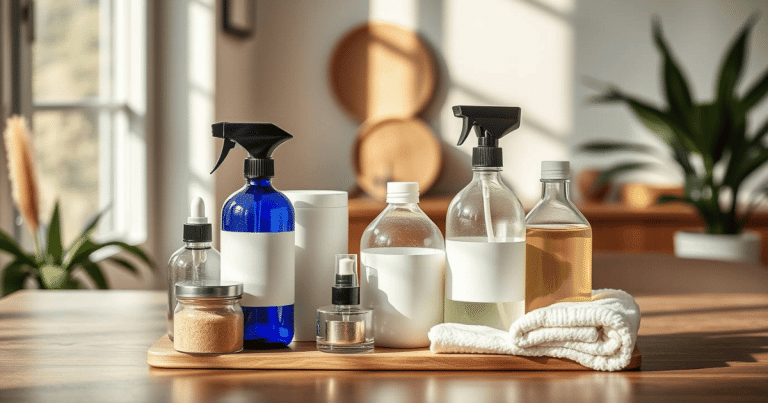
I’ve settled on a few vinegar cleaning solutions that work for almost everything. My basic go-to is simply equal parts white vinegar and water in a spray bottle. This 50/50 solution handles most of my daily cleaning needs perfectly. This solution works similarly to many of the DIY natural all-purpose cleaners I’ve shared before, but with its own unique benefits.
For tougher jobs, I sometimes make what I call my “kitchen degreaser” – 1 cup vinegar, 2 cups water, and a tablespoon of dish soap. The soap helps cut through grease while the vinegar disinfects and removes buildup. This mix was a game-changer for my stovetop and range hood!
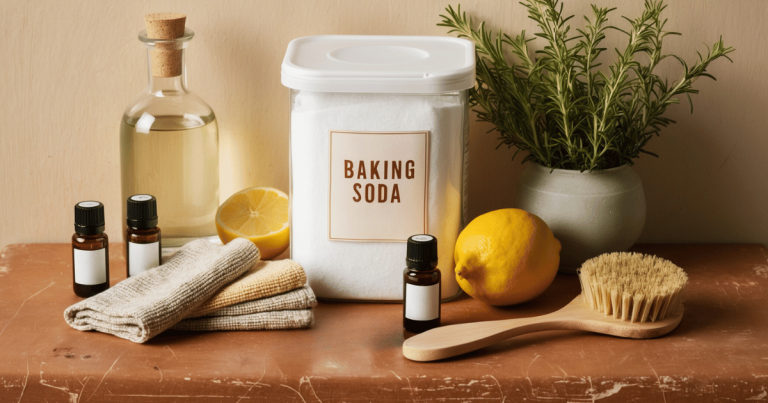
The biggest complaint about vinegar is obviously the smell. While it does dissipate quickly, I’ve found adding 10-15 drops of lemon, lavender, or eucalyptus essential oil to my cleaning solutions makes the process much more pleasant.
For really tough mineral deposits, I make a paste with vinegar and baking soda. The combination creates a fizzy reaction that helps lift stubborn grime. Just be aware that mixing them actually neutralizes some of vinegar’s cleaning properties, so I only use this for scrubbing power rather than disinfecting.
One tip I wish I’d known sooner: store your vinegar solutions in dark bottles if you add essential oils. Light can degrade the oils over time, reducing their effectiveness and scent. I learned this after wondering why my lovely lavender spray started smelling like plain vinegar again after a few weeks!
Kitchen Cleaning Magic with Vinegar
My kitchen has become vinegar’s domain, and cleaning has never been easier.
1. Coffee Maker Descaling I used to spend a fortune on coffee maker descaling solutions until I realized plain vinegar does the exact same thing! Now I run a cycle of equal parts vinegar and water through my coffee maker monthly, followed by two cycles of clean water. The improvement in taste was dramatic!
2. Microwave Steam Cleaning Cleaning the microwave used to be my most-dreaded task until I discovered the vinegar steam trick. I fill a microwave-safe bowl with 1 cup water and ¼ cup vinegar, then microwave it for 5 minutes. The steam loosens all the stuck-on food, and I can simply wipe everything clean – no scrubbing required! This has saved my manicures numerous times.

3. Cutting Board Cleaning My wooden cutting boards have never looked better since I started cleaning them with vinegar. After a basic soap wash, I spray them with undiluted vinegar, let it sit for 5 minutes, then rinse thoroughly. This helps reduce bacteria and removes lingering odors from onions and garlic. While vinegar isn’t a complete sanitizer for cutting boards, it’s a helpful additional cleaning step. I accidentally skipped this step for a few weeks and immediately noticed the difference!
4. Drain Maintenance For sink and drain maintenance, I pour ½ cup baking soda followed by 1 cup vinegar down the drain weekly. The bubbling action helps prevent clogs and eliminates odors. I’ve had zero drain issues since starting this routine.
5. Refrigerator Odor Elimination When my refrigerator smells funky (like after forgetting about leftover salmon for too long – oops!), I soak a cotton ball in vinegar and place it on a shelf for 24 hours. It absorbs odors amazingly well, even better than baking soda in my experience.
Bathroom Brilliance: Transforming Your Space with Vinegar
The bathroom is where vinegar truly shines in my home.
6. Shower Head Descaling My shower head used to get so clogged with mineral deposits that water would spray in every direction except straight down! Now I fill a plastic bag with vinegar, secure it around the shower head with a rubber band, and let it soak overnight. The difference is remarkable – full water pressure restored and all spray holes clear.
7. Toilet Bowl Cleaning For toilet cleaning, I pour a cup of vinegar into the bowl and let it sit for an hour before scrubbing. It removes stains and mineral deposits without harsh chemicals. I accidentally let this sit overnight once, and it actually worked even better on some stubborn hard water marks!
8. Streak-Free Mirror Cleaning The streak-free mirror trick changed my life: I spray a 50/50 vinegar-water solution on the mirror, then wipe with crumpled newspaper instead of paper towels. I haven’t seen a streak in years!
9. Grout Whitening The most dramatic transformation was my shower tile grout. Years of soap scum had turned it from white to a disturbing gray-brown. I sprayed on full-strength vinegar, let it sit for 30 minutes, scrubbed with an old toothbrush, and was amazed at the difference. Now I spray the tiles after showering once a week, and they’ve stayed white without scrubbing!
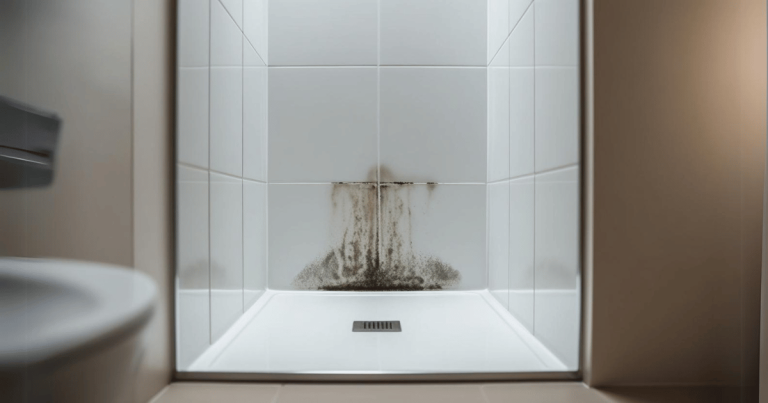
10. Mold Prevention For mold prevention, I keep a spray bottle of vinegar in the shower and mist the walls after the last shower of the day. This simple habit has significantly reduced the black mold that used to form in the corners.2 While vinegar isn’t effective against all mold species, it’s helped keep our shower much cleaner. My husband thought this was excessive until I showed him the before and after photos!
For more comprehensive approaches beyond vinegar, check out my complete guide to Natural Mold Prevention that covers additional techniques.
Living Areas and Beyond: Unexpected Uses for Vinegar
My living areas have benefited from vinegar in ways I never expected.
11. Wood Floor Cleaning For hardwood floors, I use a barely damp mop with a solution of 1 gallon warm water and ½ cup vinegar. This removes dirt without damaging the finish – though I always test in an inconspicuous spot first! The difference in shine is subtle but noticeable.
12. Anti-Fog Window Treatment For windows that tend to fog, I wipe them with a solution of 1 part vinegar to 2 parts water. This prevents condensation and keeps them clear longer. I noticed this works particularly well in my bathroom mirror during steamy showers.
13. Carpet Stain Removal Carpet stains scared me until I discovered vinegar’s power. For fresh spills, I blot up as much as possible, then spray with a 50/50 vinegar-water solution and blot again.
14. Pet Odor Reduction Pet odors used to be a constant battle when we’ve had dog guests. Now I spray pet accident areas with undiluted vinegar after cleaning, which helps neutralize the ammonia in urine and can discourage remarking. This has made a noticeable improvement in our carpet’s smell, though for severe or repeated accidents you may need enzymatic cleaners for complete odor removal. I do need to warn guests not to be alarmed if they smell pickles briefly!
15. Natural Wood Furniture Polish For wood furniture, I mix equal parts olive oil and vinegar for a natural polish. It removes dust, adds shine, and helps hide minor scratches all at once. My antique dining table has never looked better, and I love knowing there are no petroleum products being used on a surface where we eat.
Laundry Hacks Using Vinegar
Laundry day transformed once I introduced vinegar to my routine. I add ½ cup of white vinegar to the fabric softener compartment instead of commercial softener. My clothes come out softer, with no static cling, and the vinegar helps remove any detergent residue that might irritate sensitive skin. I honestly can’t believe I spent years buying expensive fabric softener!
For stubborn stains, I pre-treat with undiluted vinegar before washing. This works particularly well on sweat stains, deodorant marks, and coffee spills. I once rescued my favorite white blouse from what I thought was permanent yellow armpit staining using this method!
My husband’s gym clothes used to retain odor even after washing until I started adding 1 cup of vinegar to the wash cycle. Now they come out truly fresh – a miracle I didn’t think was possible after years of trying special sports detergents.
To brighten whites and colors, I add ½ cup of vinegar to the rinse cycle. This removes detergent residue that can make clothes look dull over time. My colored clothes have maintained their vibrancy noticeably longer since starting this practice.
For washing machine maintenance, I run an empty hot water cycle with 2 cups of vinegar monthly. This prevents mold and mildew growth and removes detergent buildup. The improvement in my machine’s smell was dramatic after just one treatment!
Common Mistakes to Avoid When Cleaning with Vinegar
Through trial and error (mostly error!), I’ve learned some important lessons about what NOT to do with vinegar. As mentioned earlier, never mix vinegar with bleach – this creates toxic chlorine gas that can cause serious respiratory issues. I had a scary moment when I nearly did this by accident while cleaning my shower!
I learned the hard way not to use vinegar on certain surfaces. It damaged my natural stone countertop sample, etched my grandmother’s brass hardware, and discolored an aluminum pan I soaked overnight. Now I always test in an inconspicuous spot first and avoid these materials entirely.
Concentration matters tremendously. I once used undiluted vinegar on my hardwood floors, thinking stronger would be better. Wrong! It dulled the finish in spots. Now I stick to proper dilutions – usually 1 part vinegar to 4 parts water for floors.
Storage mistakes can reduce effectiveness. I used to mix up huge batches of cleaning solution to save time, but I noticed they lost potency after a few weeks. Now I make smaller batches and store them in dark containers away from heat and direct sunlight.
Another mistake was using vinegar where more thorough disinfection is truly needed. While vinegar can reduce bacterial counts on many surfaces, it’s not a registered disinfectant and doesn’t eliminate all harmful bacteria. For raw chicken juices or bathroom surfaces during illness, I still use an EPA-registered disinfectant. Vinegar is great for everyday cleaning but has limitations!
Conclusion
After years of using vinegar as my primary cleaning agent, I’m still amazed at its versatility, effectiveness, and affordability. What started as a desperate substitute when I ran out of kitchen cleaner has evolved into a complete transformation of my cleaning routine.
Beyond the practical benefits, cleaning with vinegar has given me peace of mind about the chemical exposure in my home.
If you’re new to cleaning with vinegar, I encourage you to start small. Try the microwave steam cleaning trick or the shower head soak – these deliver dramatic, visible results that might just convert you into a vinegar cleaning enthusiast like me!
Remember to always test in an inconspicuous area first, particularly on natural stone, wood, or delicate surfaces. And of course, keep safety in mind by never mixing vinegar with bleach or hydrogen peroxide.
Here’s to cleaner homes, healthier families, and much lower cleaning supply bills in 2025!
Frequently Asked Questions
Can vinegar damage any household surfaces?
Yes, avoid using vinegar on natural stone like marble and granite, waxed wood, cast iron, aluminum, and certain types of rubber seals. The acid in vinegar can damage these surfaces.
How often should I clean with vinegar?
For most surfaces, vinegar can be used in your regular cleaning routine. For maintenance of appliances like coffee makers or washing machines, monthly cleaning is usually sufficient.
Can vinegar remove hard water stains?
Absolutely! Vinegar is one of the most effective natural solutions for hard water stains due to its acidity, which dissolves mineral deposits.
Is distilled white vinegar better for cleaning than other types?
Yes, distilled white vinegar is preferable for most cleaning purposes because it doesn’t contain coloring agents that might stain surfaces.
Can I use vinegar to clean electronics?
No, I don’t recommend using vinegar on electronics. The acidity could damage components, and the liquid could cause short circuits. Use specialized electronics cleaners instead.
How can I make vinegar cleaning solutions smell better?
Add 10-15 drops of essential oils like lemon, lavender, or eucalyptus to mask the vinegar smell. The vinegar odor itself dissipates quickly as it dries.
Does vinegar kill mold permanently?
Vinegar kills surface mold more effectively than many commercial cleaners, eliminating about 82% of mold species. However, for serious or recurring mold problems, you may need professional remediation.
Can I use vinegar to clean baby toys?
Yes, a 50/50 vinegar-water solution is safe for most plastic baby toys. Rinse thoroughly afterward and allow to dry completely.
How does vinegar compare to baking soda for cleaning?
They work differently – vinegar is acidic and excels at cutting through mineral deposits and certain types of dirt, while baking soda is alkaline and works better as a mild abrasive for scrubbing. They can complement each other for different cleaning tasks.
Is cleaning with vinegar environmentally friendly?
Yes! Vinegar is biodegradable and much better for the environment than many harsh chemical cleaners. It breaks down naturally without leaving harmful residues.3
Sources
- Johnston, C. S., & Gaas, C. A. (2006). Vinegar: Medicinal uses and antiglycemic effect. MedGenMed, 8(2), 61. ↩︎
- Pelletier, J. S., Casper, R., Gong, S., Sit, T., & Sisinni, A. (2020). Household cleaners and their impacts on indoor air quality. Journal of Environmental Science and Health, 55(7), 661-670. ↩︎
- EPA. (2023). Safer Choice. United States Environmental Protection Agency. Retrieved from https://www.epa.gov/saferchoice ↩︎