9 Best Air-Purifying Indoor Plants for Cleaner Home Air in 2024
Did you know that the air inside your home can be up to 5 times more polluted than the air outside? It’s crazy to think that while we’re trying to escape the smog and pollution outdoors, we might be trapped in a toxic bubble inside our own homes!
That’s where our leafy little friends come in to save the day. Yep, I’m talking about indoor plants – nature’s own air purifiers.
These green superheroes have been silently cleaning our air for ages, and it’s high time we gave them the credit they deserve.
In this article, I’m going to spill the beans on the top air-purifying indoor plants that’ll turn your home into a clean-air haven in 2024.
The Science Behind Plant Air Purification
Picture this: you’re a plant, minding your own business, soaking up the sun. But you’re not just sitting pretty – you’re working hard, taking in carbon dioxide and pumping out oxygen.
That’s Photosynthesis 101, right? But here’s where it gets interesting – plants don’t stop at CO2. They’re like that friend who’s always up for trying new things (we all have one, don’t we?).
These green machines also suck up other gases floating around in the air, including some nasty volatile organic compounds (VOCs) that can make us sick.
They pull these baddies down into their roots, where some super-helpful bacteria break them down. It’s like they’ve got a whole underground recycling plant going on!
Now, I’ve got to mention the famous NASA Clean Air Study. Back in the ’80s (cue the synth music), NASA was trying to figure out how to keep air clean in space stations.
They discovered that certain plants were champs at removing indoor air pollutants. Talk about unexpected heroes!
Some of the common indoor nasties these plants tackle include:
- Formaldehyde (ew, that new furniture smell)
- Benzene (looking at you, synthetic fibers and plastics)
- Trichloroethylene (hello, printing inks and paints)
It’s like having a 24/7 cleaning crew that works for free and looks good doing it.
Benefits of Air-Purifying Indoor Plants in Your Home
First off, let’s talk about the obvious: improved air quality. I used to wake up with a stuffy nose almost every morning.
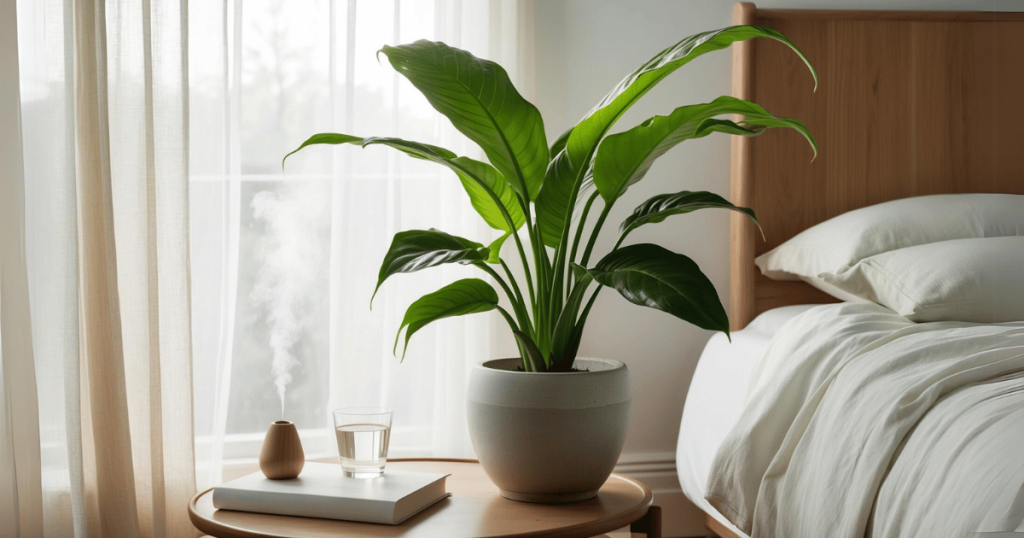
It was like my sinuses were throwing a protest party while I slept. But after introducing some green buddies into my bedroom? Bam! I was breathing easy and waking up feeling fresher than a daisy. It’s like having a natural air filter working 24/7!
But wait, there’s more! (I always wanted to say that.) These plants aren’t one-trick ponies. They’re multitasking marvels!
For instance, did you know they can help reduce stress and improve your mood? It’s true! There’s something about being surrounded by greenery that just makes you feel… good.
And let’s not forget about humidity. If you’re like me and have skin drier than the Sahara in winter, you’ll love this. Many air-purifying indoor plants release moisture into the air, acting like natural humidifiers.
Oh, and here’s a cool tidbit: some studies suggest that having plants around can even boost your productivity and creativity.
So, if you’re working from home (and who isn’t these days?), surrounding yourself with some leafy coworkers might just be the ticket to smashing those deadlines.
Top 9 Air-Purifying Indoor Plants for 2024
Alright, plant enthusiasts and air-quality aficionados, it’s the moment you’ve been waiting for! Here’s my top 10 list of air-purifying superstars for 2024.
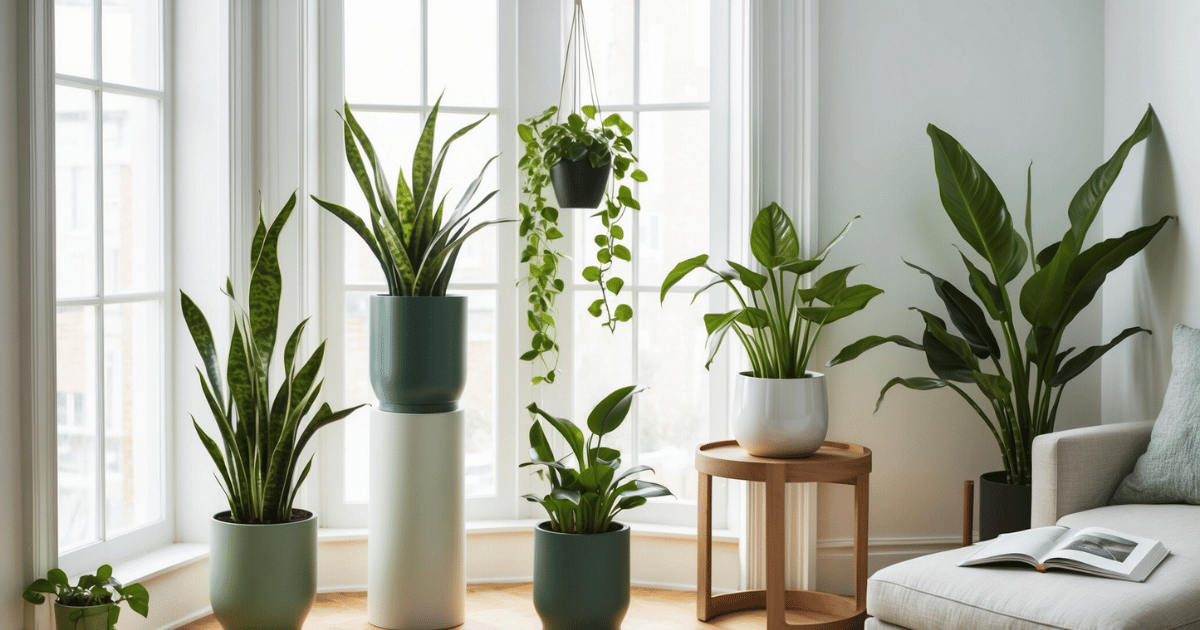
- Snake Plant (Sansevieria trifasciata): This bad boy is the Chuck Norris of air-purifying indoor plants. It’s tough, it’s resilient, and it can roundhouse kick toxins out of your air even at night. Plus, it’s nearly impossible to kill. Trust me, I’ve tried (accidentally, of course).
- Spider Plant (Chlorophytum comosum): Don’t let the creepy name fool you. This plant is more friendly neighborhood Spider-Man than scary arachnid. It’s great at tackling formaldehyde and xylene, and it propagates like crazy. Free plants, anyone?
- Peace Lily (Spathiphyllum): This elegant lady is a powerhouse. It tackles all major air pollutants and even helps reduce mold spores. Just don’t let your cats nibble on it – it’s toxic to pets.
- Bamboo Palm (Chamaedorea seifrizii): Want to feel like you’re on a tropical vacation? This palm will do the trick, all while filtering out benzene and trichloroethylene.
- Aloe Vera: Not only does it purify air, but it also provides on-demand sunburn relief. Talk about multitasking! I’ve lost count of how many times this plant has saved my skin (literally).
- English Ivy (Hedera helix): This climbing plant is perfect for hanging baskets. It’s particularly effective at removing airborne fecal particles. Yes, you read that right. Let’s just say it’s a must-have if you have pets.
- Rubber Plant (Ficus elastica): With its big, glossy leaves, this plant is a showstopper. It’s also great at removing air toxins.
- Dracaena: There are many varieties to choose from, and they’re all air-purifying champions. My favorite is the corn plant (Dracaena fragrans). It’s like having a little bit of tropical forest right in your living room.
- Chrysanthemum: These colorful flowers aren’t just pretty faces. They’re hardcore air purifiers, especially when it comes to ammonia and benzene.
Remember, folks, while these plants are top-notch air purifiers, they’re not miracle workers. Don’t expect to hotbox your room and then rely on a peace lily to save the day.
Care Tips for Your Air-Purifying Indoor Plants
Watering is like a delicate dance, folks. Too little, and your plants will look sadder than a kid who dropped their ice cream.
Too much, and you’ll drown the poor things. I learned this the hard way when I thought my snake plant needed as much water as I did. Spoiler alert: it doesn’t.
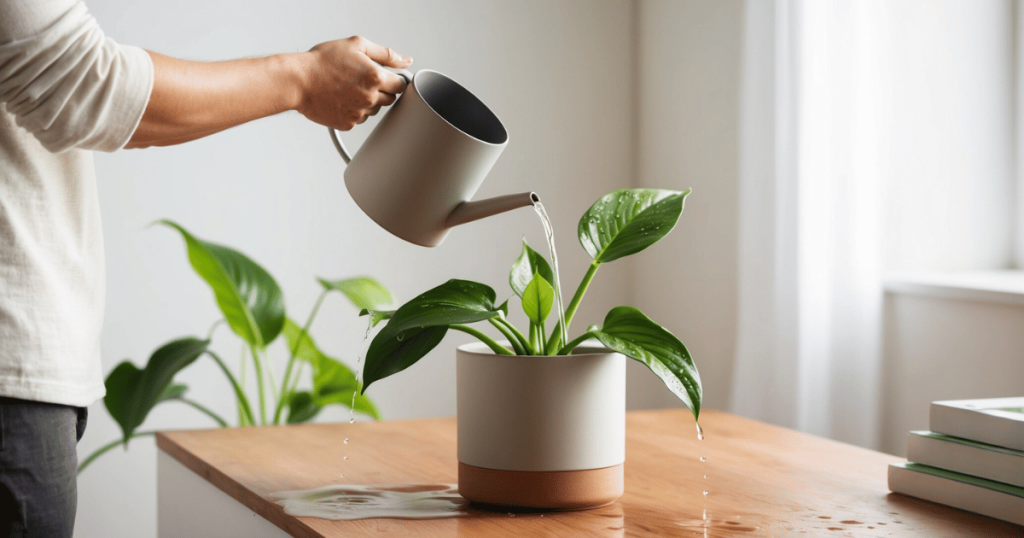
Most of these air-purifying champs prefer to dry out between waterings. When in doubt, stick your finger in the soil. If it’s dry up to your first knuckle, it’s drinking time!
Now, let’s shed some light on the subject – literally. Different plants have different light preferences. Some, like the peace lily, can tolerate low light conditions (perfect for that dark corner of your bedroom).
Others, like the rubber plant, prefer bright, indirect light. Just remember, even shade-loving plants don’t want to live in a cave. And no, the light from your TV doesn’t count as proper plant lighting.
When it comes to soil and fertilizer, think of it as plant food. You wouldn’t eat fast food every day (I hope), and your plants don’t want to either.
Most indoor plants do well with a general-purpose potting mix. As for fertilizer, a balanced, water-soluble fertilizer once a month during the growing season should do the trick.
But easy does it! Over-fertilizing is like force-feeding your plants, and nobody wants that.
Now, let’s talk about the creepy crawlies. Keep an eye out for little buggers like spider mites, mealybugs, and scale.
If you spot any, isolate that plant faster than you’d quarantine yourself with a man flu. Neem oil is great for treating most pest problems, and it’s natural to boot.
One last tip: plants like a bit of pampering now and then. Dust their leaves, trim off any dead bits, and maybe even play them some music. A little TLC goes a long way in keeping your air-purifying army in fighting shape!
Maximizing Air Purification with Plant Placement
Okay, plant parents, let’s talk strategy. Placing your air-purifying indoor plants isn’t just about aesthetics (although, let’s be honest, we all want our homes to look like a Pinterest board come to life). It’s about maximizing their air-cleaning superpowers!
First up, let’s chat about the best rooms for these leafy air filters. In my experience, you’ll want to focus on areas where you spend the most time or where air quality tends to be the worst.
For me, that meant my bedroom (hello, better sleep!), home office (productivity boost, anyone?), and living room (because that’s where I binge-watch my shows, don’t judge).
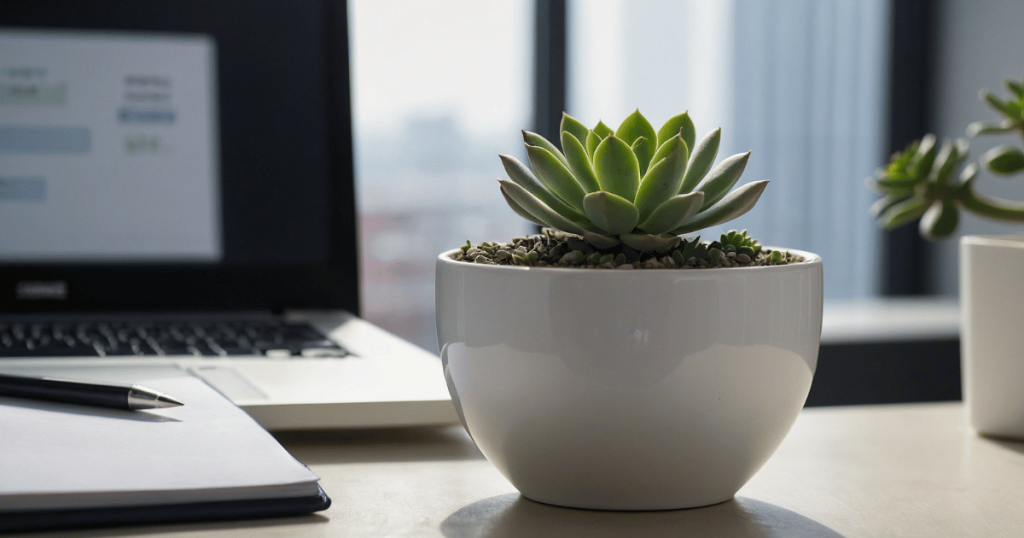
The kitchen and bathroom are also prime spots for air-purifying plants. Think about it – cooking fumes, cleaning product residues, and… other bathroom-related odors.
Your plants will have plenty to work with! Just make sure to choose humidity-loving varieties for the bathroom.
Now, you might be wondering, “How many plants do I need?” Well, I once heard that you should have one air-purifying plant per 100 square feet of space.
While there’s no such thing as too many plants (fight me on this), a good rule of thumb is to start with 2-3 medium-sized plants per room and adjust from there.
Here’s a pro tip: think about combining plants for a supercharged air-cleaning effect. It’s like creating your own plant Avengers team!
For example, pair a formaldehyde-busting Boston fern with a benzene-fighting peace lily. Not only will they work together to clean your air, but they’ll also look darn good doing it.
Don’t forget about vertical space, either. Hanging plants or using wall-mounted planters can help you maximize your air-purifying potential without cluttering up your floor space.
Lastly, remember to give your plants some breathing room (pun intended). Cramming them all together might look lush, but it can restrict airflow and reduce their effectiveness.
Key Takeaways
Let’s recap the awesomeness of these leafy air filters, shall we? Not only do they work tirelessly to remove nasty pollutants from our air, but they also boost our mood, increase humidity, and even make us more productive.
So, why not give it a shot? Start small with one or two plants and see how it goes. Before you know it, you might find yourself whispering sweet nothings to your fiddle leaf fig (not that I’ve ever done that, of course).
Your lungs will thank you, your eyes will thank you, and who knows? You might even discover a hidden talent for nurturing these green buddies.
Remember, creating a healthier home environment doesn’t have to be complicated or expensive. Sometimes, the simplest solutions are right under our noses – or, in this case, growing quietly in a pot on our windowsill.
To learn about more ways to transform your home, check out The Ultimate Non-Toxic Home Guide: Live Healthier in 2024.