Make Natural Laundry Detergent for Sensitive Skin: A Beginner’s Guide
As an engineer turned wellness advocate, I never expected that my battle with sensitive skin would lead me down a fascinating path of learning how to make natural laundry detergent for sensitive skin.
Trust me, when I first started getting mysterious rashes from my regular detergent, I did what any engineer would do – I dove deep into research mode! Here’s the shocking part: a recent study found that even when household laundry detergents are highly diluted, they can harm the skin’s protective barrier. This suggests that regular exposure to laundry detergents might weaken our skin’s defenses and potentially lead to skin issues.
After countless hours of research and plenty of trial and error (including one memorable incident where my entire laundry room smelled like a vinegar factory), I’ve developed a foolproof method for making natural laundry detergent that’s gentle on sensitive skin but tough on dirt.
Whether you’re dealing with eczema, contact dermatitis, or just want to avoid harsh chemicals, I’m excited to share my tested and refined recipe with you!
Key Takeaways
When making natural laundry detergent for sensitive skin, keep these essential points in mind:
- Base Ingredients Matter: The foundation of an effective natural detergent includes washing soda, baking soda, pure castile soap flakes, and citric acid – each serving a specific purpose in the cleaning process.
- Proper Measurements: Use 1-2 tablespoons for regular loads, and only 1 tablespoon for HE machines. Accurate measurements ensure effective cleaning without waste or residue.
- Storage and Shelf Life: Store your homemade detergent in an airtight container in a cool, dry place. When properly stored, it typically lasts 6-12 months.
- Safety First: Always perform a patch test before using your new detergent, and keep ingredients clearly labeled and separate from kitchen supplies.
- Customization Options: Feel free to adjust the recipe based on your water hardness and skin sensitivity. Skip essential oils for extremely sensitive skin, or add extra citric acid for hard water areas.
- Cost-Effective Solution: While initial ingredient purchases might seem expensive, making your own natural detergent typically costs less per load than commercial sensitive skin alternatives.
Understanding Sensitive Skin and Laundry Detergents
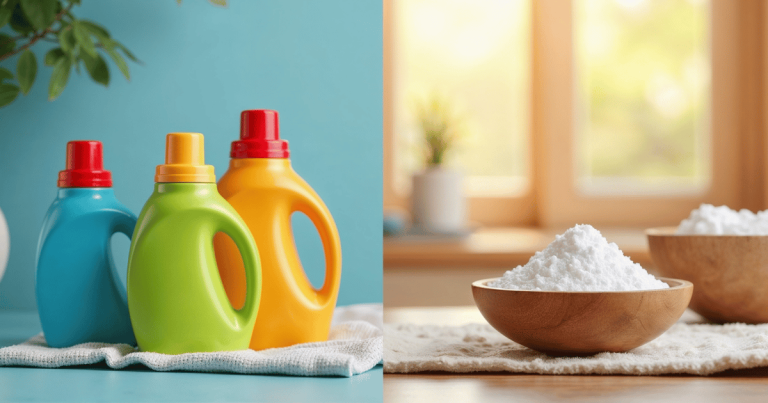
When I first started investigating why commercial detergents were causing so many problems, I was amazed by what I discovered. Traditional detergents are packed with synthetic surfactants, optical brighteners, and artificial fragrances – it’s basically a chemistry experiment in a bottle! And while these ingredients are great at getting clothes clean, they can wreak havoc on sensitive skin and your health.
Remember our skin absorbs everything that we put on it. So if we wash our clothes with commercial detergents that contain harsh and toxic chemicals, and our clothes lay and rub against our skin, then our skin intakes all those chemicals too.
The real game-changer in my research came when I started looking at how natural cleaning agents work. Unlike synthetic surfactants that can strip your skin’s natural barrier, natural ingredients work by gently lifting dirt and oils while maintaining the pH balance that’s so crucial for sensitive skin. It’s like the difference between using a sledgehammer and a precision tool – both might get the job done, but one’s definitely gentler on the surface!
I remember being skeptical at first about whether natural ingredients could actually clean effectively. But here’s what amazed me: many natural cleaning agents have been used for centuries, and when combined properly, they can be just as effective as commercial products. The key is understanding the science behind how they work together.
Essential Ingredients for Natural Laundry Detergent
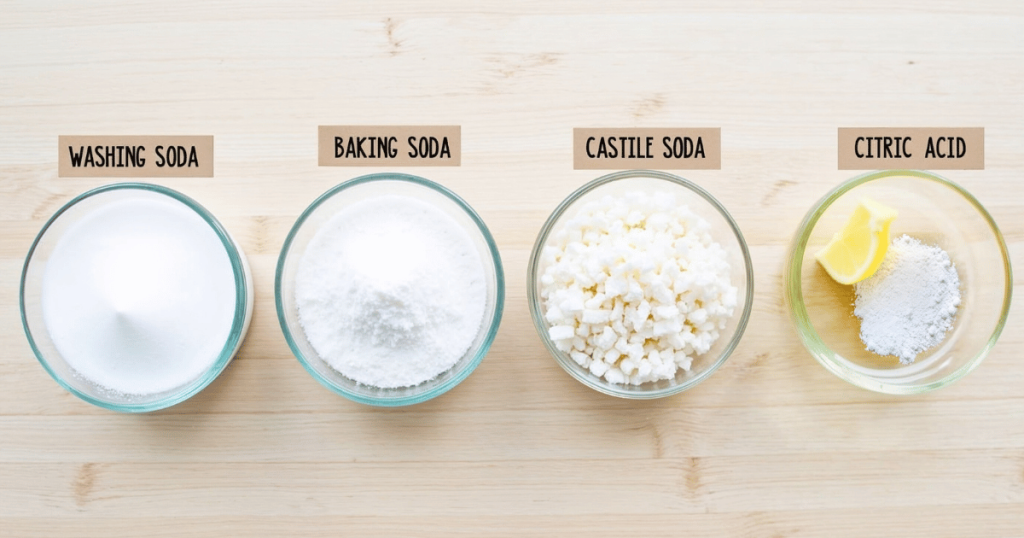
Let’s talk about what you’ll actually need to make this happen. After testing dozens of combinations (and yes, some spectacular failures), I’ve found the perfect blend of ingredients that work consistently well:
Base Ingredients:
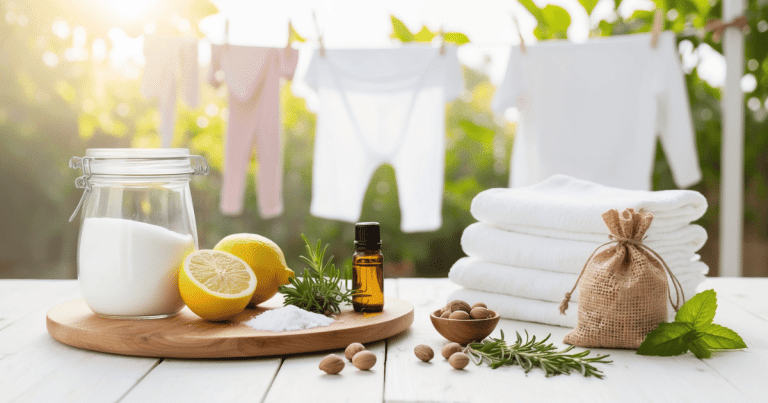
- 1 cup washing soda (sodium carbonate)
- 1 cup baking soda
- 1 cup pure castile soap flakes
- ½ cup citric acid
Here’s why these ingredients work so well together: Washing soda helps lift stains and softens water, baking soda deodorizes and enhances cleaning power, castile soap provides gentle yet effective cleaning, and citric acid helps balance pH levels and soften water naturally.
I source most of these ingredients from local natural food stores or online retailers. One thing I learned the hard way – always check the purity of your ingredients! That time I bought “natural” soap flakes that turned out to be anything but natural taught me a valuable lesson about reading labels carefully.
Step-by-Step Natural Detergent Recipe
Now for the fun part – actually making your detergent! I’ve refined this process through countless batches to make it as foolproof as possible:
- Start by grating your castile soap if it’s not already in flake form. I use my food processor with the fine grater attachment, but a regular cheese grater works just as well. Just make sure to label it for cleaning products only!
- In a large, clean bowl, combine the washing soda and baking soda. Mix thoroughly to break up any clumps – trust me, those little lumps can be annoying later.
- Add the soap flakes to your soda mixture and blend well. I like to use my hands (with gloves on) to really break up any remaining clumps and ensure everything is evenly distributed.
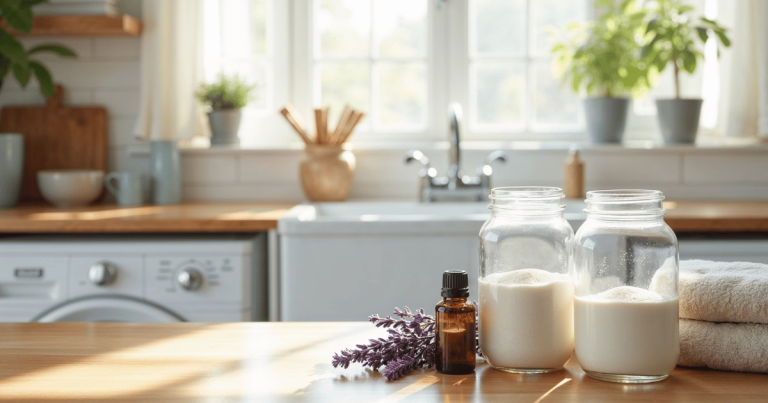
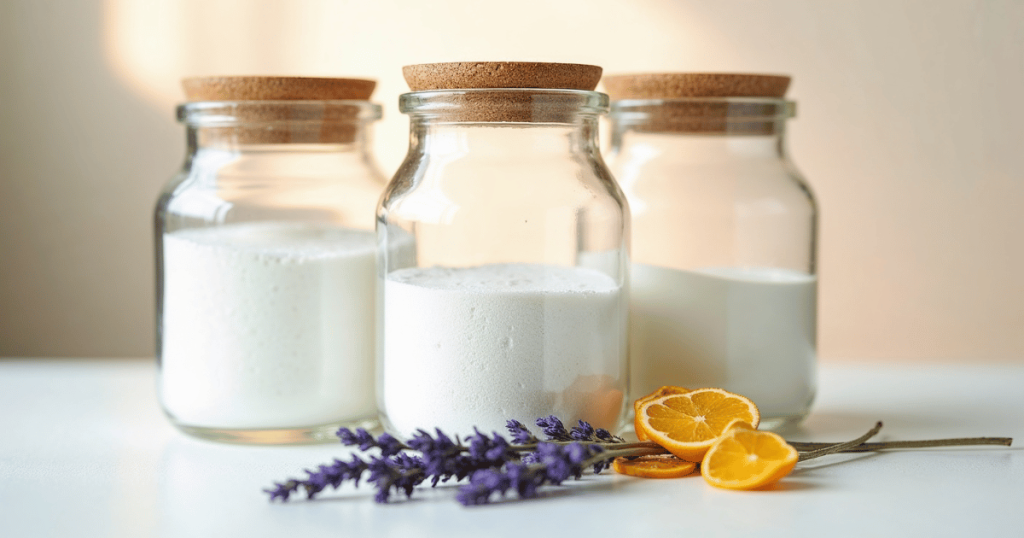
- Finally, add the citric acid and mix again. Store your finished detergent in an airtight container – I use a large mason jar with a tight-fitting lid.
Usage Instructions:
- For a regular load: Use 1-2 tablespoons
- For heavily soiled loads: Use up to 3 tablespoons
- For HE machines: Use 1 tablespoon
Customizing Your Natural Detergent
One of the best things about making your own detergent is the ability to customize it for your specific needs. Through my experimentation, I’ve discovered several effective variations:
For Extra Sensitive Skin:
- Skip the essential oils completely
- Add an extra ½ cup of baking soda for softer water
- Consider using coconut-based castile soap, which is particularly gentle
For Hard Water Areas:
- Increase the citric acid to ¾ cup
- Add an extra ¼ cup of washing soda
- Consider adding a water softening booster like calcium carbonate
Tips for Maximum Effectiveness
After making and using natural detergent for years, I’ve collected some crucial tips that make a big difference:
- Temperature Matters: While cold water works fine for most loads, I’ve found that using warm water helps the natural ingredients dissolve more effectively.
- Pre-Treating Stains: Mix a small amount of the detergent with water to create a paste for spot-treating tough stains. Let it sit for 15-30 minutes before washing.
- Storage Tips: Keep your detergent in a cool, dry place. Moisture is the enemy here – it can cause the ingredients to clump and reduce effectiveness.
Safety Considerations and Precautions
Safety has always been my top priority, especially since I developed this recipe with sensitive skin in mind. Here are some crucial safety tips:
- Always do a patch test before using your new detergent. Apply a small amount of diluted detergent to your inner arm and wait 24 hours.
- Keep ingredients and finished detergent out of reach of children and pets. While natural, these ingredients can still be harmful if ingested.
- Label everything clearly and keep your detergent-making supplies separate from kitchen tools.
Conclusion
Learning how to make natural laundry detergent for sensitive skin might seem daunting at first, but it’s truly worth the effort. Not only will you save money in the long run, but you’ll also have complete control over what goes into your laundry products.
Remember, the key to success is consistency in measurement and patience in finding the right combination for your specific needs. With this guide, you’re well-equipped to create a gentle, effective laundry solution that works for your sensitive skin.
Frequently Asked Questions
How long does homemade natural laundry detergent last?
When stored properly in an airtight container, the detergent typically lasts 6-12 months.
Can I use this detergent in an HE washing machine?
Yes! This low-sudsing formula is safe for HE machines. Just use a smaller amount (1 tablespoon per load).
Will natural detergent remove tough stains?
Yes, but you may need to pre-treat stubborn stains and adjust the amount of detergent used based on soil level.
Can I add essential oils to this recipe?
Yes, but for sensitive skin, I recommend starting without them. If you do add them, use skin-safe options like lavender or chamomile.
How can I tell if the detergent is cleaning effectively?
Clean clothes should smell fresh (but not perfumed) and feel soft to the touch. If you notice any residue or lingering odors, try adjusting the amount of detergent used.