7 Effective Ways to Reduce Microplastics in Your Home
Did you know that the average person ingests about a credit card’s worth of plastic every week? Yeah, you read that right – a whole credit card!
These sneaky little buggers are like the ninjas of the pollution world, infiltrating every nook and cranny of our lives. From our clothes to our cosmetics, they’re everywhere!
As someone who’s been on this reduce-the-plastic journey for a while now, I’m here to share some practical, down-to-earth tips to help you kick those pesky microplastics to the curb.
So, grab your reusable mug, settle in, and let’s dive into the wonderful world of learning ways to reduce microplastics!
Understanding Microplastics: The Hidden Threat in Our Homes
What the heck are microplastics anyway?
Basically, microplastics are itty-bitty pieces of plastic smaller than 5 millimeters. They’re like the glitter of the pollution world – small, persistent, and impossible to get rid of completely.
Now, you might be thinking, “How are these little troublemakers getting into my home?” These sneaky particles are hitchhiking their way into our homes through everyday items we use without a second thought.
Remember that cozy fleece jacket you love so much? Yep, it’s shedding microfibers every time you wash it.
Those convenient plastic food containers? They’re slowly breaking down, leaving microscopic plastic bits in your leftovers.
And don’t even get me started on cosmetics – some of them are packed with plastic microbeads for exfoliation. Talk about rubbing plastic all over your face!
But here’s the real kicker – these tiny terrors aren’t just annoying, they’re downright dangerous. They’re like little sponges, soaking up all sorts of nasty chemicals and pollutants. And guess what? When we ingest or inhale them, all that gunk comes along for the ride. Yikes!
So, what’s a concerned citizen to do? Well, the first step is awareness. Now that you know these little plastic pests are lurking in your home, you can start taking steps to show them the door.
Filtering Out the Problem: Water Solutions for Microplastic Reduction
Here’s a not-so-fun fact: our tap water can be a superhighway for microplastics to enter our homes and bodies. But don’t worry, I’m not here to tell you to start drinking from puddles or anything crazy like that. Nope, we’re going to tackle this problem head-on with some nifty filtration solutions!
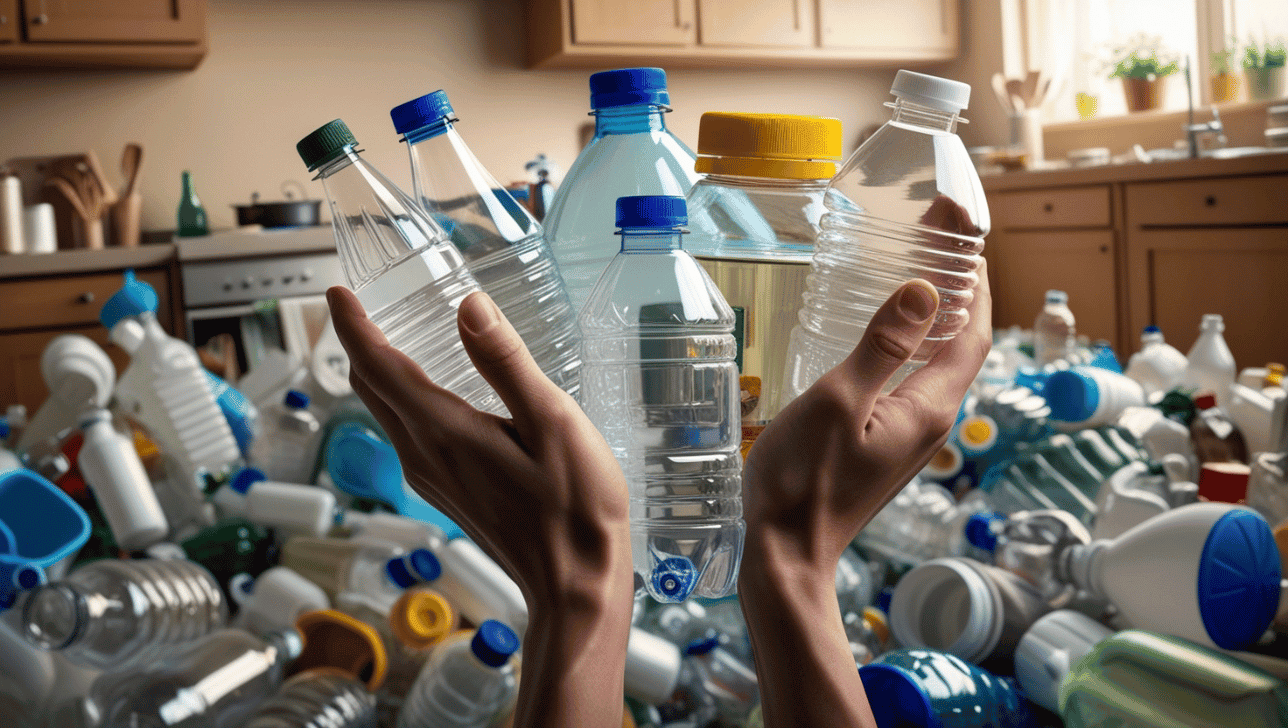
First things first – if you’re still chugging bottled water thinking it’s safer, I hate to burst your bubble (water pun intended), but those plastic bottles are part of the problem. Not only are they contributing to plastic waste, but they can also leach microplastics into the water. Talk about a lose-lose situation!
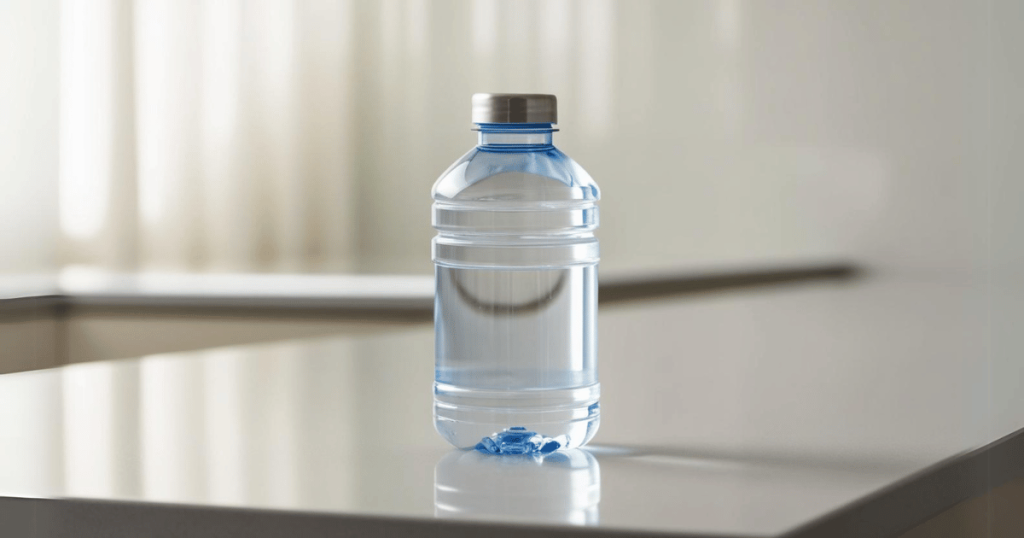
So, what’s a thirsty person to do? Enter the wonderful world of water filters! Now, I’m not talking about those fancy-schmancy, break-the-bank systems (unless that’s your thing, in which case, go for it!). There are plenty of affordable options that can make a big difference.
One option I’ve fallen in love with is a reverse osmosis system. This is like the overachiever of water filters – it removes a ton of contaminants, including those pesky microplastics. It’s a bit pricier, but if you’re serious about your water quality, it might be worth the investment.
Now, here’s something I learned the hard way – don’t just install a filter and forget about it! These things need a little TLC to keep working their magic. Change the filters regularly (set a reminder on your phone – trust me, you’ll forget otherwise), and give the system a good clean every now and then.
Oh, and here’s a little trick I picked up – use filtered water for cooking too! I used to only filter my drinking water, but then I realized I was basically giving my pasta a microplastic bath every time I cooked. Not exactly the secret ingredient I was going for!
Remember, every glass of filtered water is a small victory in the battle against microplastics. So raise a glass (of filtered water, of course) to cleaner, healthier hydration! Cheers to that!
Laundry Habits: Washing Away Microfiber Pollution
Did you know that every time we wash our clothes, we’re basically hosting a microplastic party in our washing machines? Yep, those synthetic fabrics we love so much (hello, comfy yoga pants!) are shedding tiny plastic fibers with every spin cycle.
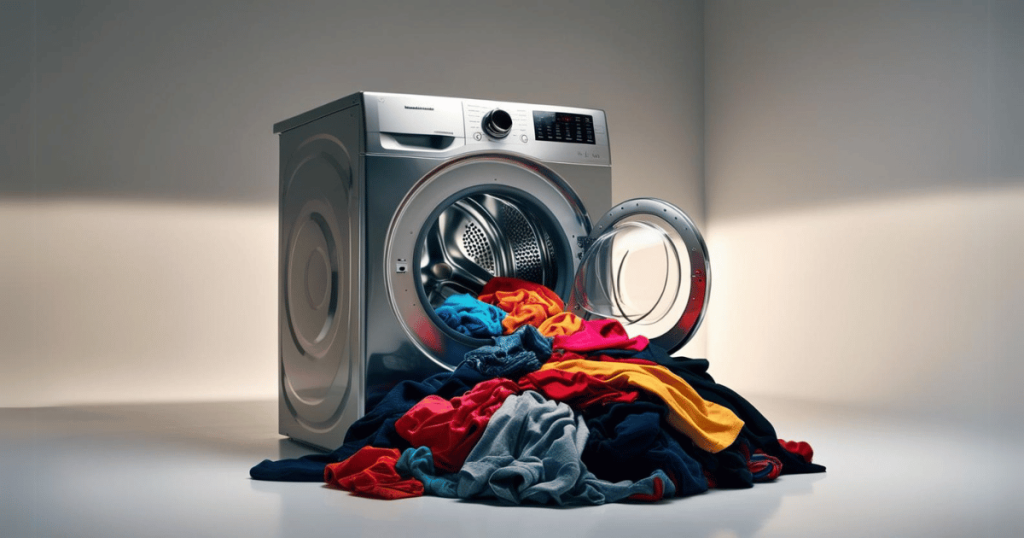
First things first – let me introduce you to your new laundry BFF: the microfiber-catching laundry bag. These nifty little inventions are like hairnets for your clothes, trapping those pesky fibers before they can escape into our waterways.
Now, if you’re feeling extra fancy (or just really committed to the cause), there are also microfiber-catching laundry balls. These work kind of like those dryer balls you might already use, but they’re specifically designed to capture microfibers.
But here’s the real game-changer, folks – natural fibers. I’m talking cotton, wool, linen – you know, the stuff our grandparents used to wear. These fabrics are like the superheroes of the textile world – they don’t shed microplastics, they’re often more durable, and bonus: they usually feel amazing on your skin. Win-win-win!
Now, I know what you’re thinking – “But what about my favorite synthetic clothes? Do I have to throw them all away?” Fear not! There are ways to minimize shedding even with synthetic fabrics. Try washing them on a gentler cycle with cold water. It’s like giving your clothes a spa day – they’ll be cleaner and shed less. Plus, you’ll save on your energy bill. Talk about a win-win situation!
Kitchen Makeover: Swapping Plastic for Sustainable Alternatives
Glass containers are like the superheroes of the kitchen world. They’re microwave-safe, dishwasher-safe, and they don’t hold onto funky smells like plastic does. Plus, you can see what’s inside without playing leftover roulette! Stainless steel is great for on-the-go snacks or lunches. It’s lightweight, durable, and makes you feel like you’re living in the future.
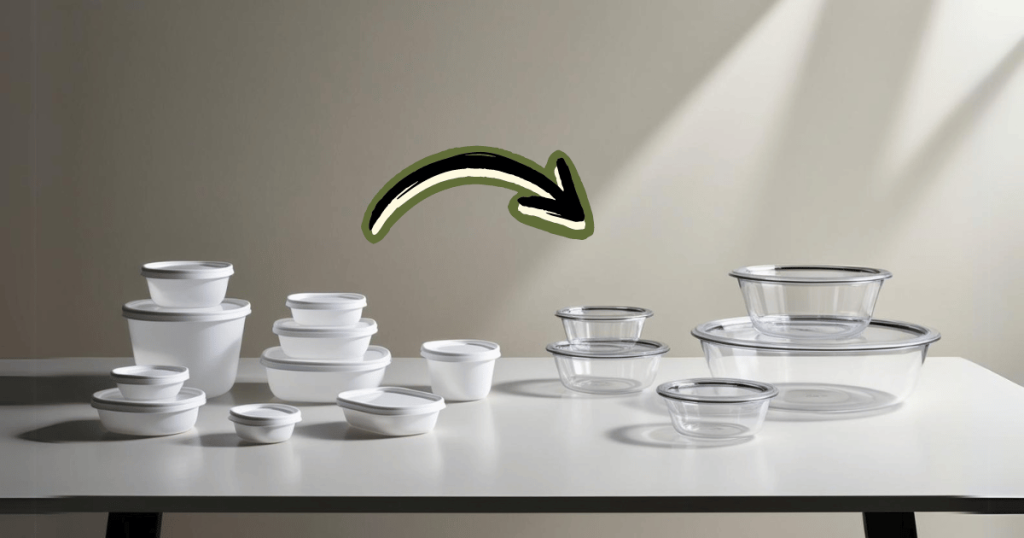
Now, let’s talk about everyone’s clingy friend – plastic wrap. It’s time to break up with this microplastic-shedding menace. Instead, say hello to beeswax wraps or silicone covers!
Beeswax wraps are like little eco-friendly hugs for your food. They’re reusable, come in cute patterns, and make you feel like a sustainable kitchen wizard.
Silicone covers are great too – they create an airtight seal and can stretch to fit various containers. It’s like yoga for your leftovers!
But the plastic purge doesn’t stop there, oh no! Take a look at your utensils and cutting boards. Plastic versions of these can shed microplastics every time you use them. Yikes!
Time to channel your inner lumberjack and embrace wood. Wooden spoons, spatulas, and cutting boards aren’t just better for reducing microplastics – they also look super chic.
Oh, and here’s a pro tip I learned the hard way – when you’re replacing your plastic items, don’t just toss them in the trash. If they’re still usable, donate them. If they’re too far gone, check if your local recycling center accepts them. Remember, the goal is to reduce plastic, not create more waste!
Personal Care Revolution: Microplastic-Free Beauty and Hygiene
Let’s talk about getting gorgeous without the guilty conscience, shall we?
First things first – let’s play a little game I like to call “Spot the Microbead.” These sneaky little plastic particles love to hide in our scrubs, toothpastes, and even some makeup products.
They’re usually listed as polyethylene (PE), polypropylene (PP), polyethylene terephthalate (PET), or polymethyl methacrylate (PMMA). Phew, try saying that five times fast! When in doubt, look for products that explicitly say “no microbeads” or “microplastic-free.”
Now, I know what you’re thinking – “But how will I get that squeaky-clean feeling without my plastic-packed products?” Well, let me introduce you to the wonderful world of natural exfoliants! Coffee grounds, sugar, salt, oatmeal – your kitchen is basically a spa in disguise. I once made a DIY coffee scrub and felt like a eco-friendly barista meets beauty guru.
Reading labels is key in this microplastic-free revolution. Look for products with natural ingredients you can actually pronounce. If it sounds like it belongs in a chemistry lab rather than on your face, it’s probably best to steer clear. And remember, “natural” and “organic” don’t always mean microplastic-free, so do your homework!
Cleaning Green: Eco-Friendly Solutions for a Microplastic-Free Home
Now, I’ll be the first to admit that I used to be a sucker for those fancy, bright blue cleaning solutions that promised to obliterate every germ in sight. But let me tell you, going green with my cleaning routine was a game-changer – for my home, my health, and ol’ Mother Earth.
Let’s start with the magic of DIY cleaning solutions. Vinegar, baking soda, and lemon juice – these aren’t just ingredients for a science fair volcano, they’re the holy trinity of natural cleaning!
For those tougher jobs, a paste made from baking soda and water works wonders. It’s like a gentle sandblaster for your tough stains. And the best part? No microplastics being washed down the drain and into our oceans. Take that, stubborn soap scum!
Now, let’s talk tools. Those colorful plastic scrubbers and disposable wipes? They’re shedding microplastics faster than a golden retriever sheds fur in summer. Instead, opt for natural fiber brushes, cotton rags, and even coconut coir scrubbers. I’ve got a bamboo dish brush that makes me feel like I’m saving the planet every time I wash a plate. It’s the little things, folks!
Oh, and can we chat about air fresheners for a sec? Those plug-in air fresheners and aerosol sprays are basically just spritzing microplastics and synthetic fragrances all over your home. Yuck! Instead, try simmering some cinnamon sticks and orange peels on the stove. Not only does it smell amazing, but it also makes your house feel like a cozy autumn cafe. Win-win!
The Art of Minimalism: Reducing Overall Plastic Consumption
Adopting a minimalist lifestyle doesn’t mean living in an empty white box with nothing but a futon and a houseplant (unless that’s your thing, in which case, rock on!). It’s about being intentional with what you bring into your life.
Before buying something new, ask yourself: “Do I really need this? Is there a plastic-free alternative?” It’s like being your own bouncer, but instead of keeping out rowdy partygoers, you’re keeping out unnecessary plastic.
Now, let’s talk about the beauty of bulk buying and zero-waste shopping. Picture this: you, strolling into a store with your arsenal of reusable containers, filling them up with everything from pasta to shampoo. It’s like being a kid in a candy store, but instead of a sugar high, you get an eco-friendly buzz!
But here’s where it gets really exciting – repairing and upcycling! Instead of tossing out that slightly worn shirt or that wobbly chair, why not give them a second life?
Remember, embracing minimalism and reducing plastic consumption is a journey, not a destination. Start small, celebrate your victories (no matter how tiny), and don’t beat yourself up if you slip up. We’re all human, after all. Well, except for those robots among us. Are you a robot? No? Good, just checking!
Tech and Textiles: Tackling Microplastics in Electronics and Fabrics
Let’s start with our electronic buddies. Did you know that the average American household has about 24 electronic products? That’s a lot of potential for microplastic shedding!
When it’s time to say goodbye to your old devices, don’t just toss them in the trash. That’s like throwing a microplastic party in the landfill, and trust me, that’s one party you don’t want to attend.
Instead, look for electronic recycling programs in your area. Many big tech companies and even some local governments offer these services.
Now, let’s talk textiles. Our clothes, carpets, curtains, and upholstery can be secret microplastic shedders. The solution? Embrace natural fibers like cotton, wool, and linen.
For those big textile items like carpets and curtains, opt for natural fibers when it’s time for a replacement. In the meantime, regular cleaning and maintenance can help reduce shedding.
Oh, and here’s a pro tip for your tech devices: keep them clean and well-maintained. Regular dusting and cleaning can help reduce wear and tear, which means less microplastic shedding. Plus, a clean device is a happy device.
Whew! What a journey we’ve been on, my fellow microplastic fighters! We’ve scrubbed, we’ve swapped, and we’ve minimized. But here’s the thing – our battle against these tiny plastic terrors is far from over.
It’s more of a lifelong adventure, really. An adventure filled with reusable containers, natural fibers, and the occasional DIY cleaning solution mishap (pro tip: baking soda and vinegar in a closed container? Explosive results!).
Let’s recap our key strategies, shall we? We’ve learned to filter our water, revamp our laundry habits, give our kitchens and personal care routines eco-friendly makeovers, embrace green cleaning, adopt minimalist lifestyles, and tackle tech and textile microplastics.
Now, I know what you’re thinking. “This is all great, but it seems like a lot!” And you’re right, it is a lot. But here’s the secret – you don’t have to do it all at once. Rome wasn’t built in a day, and a microplastic-free home isn’t created overnight.
Start small. Maybe this week you switch to a bamboo toothbrush. Next week, you try out a DIY all-purpose cleaner. Before you know it, you’ll be a microplastic-reducing machine!
To learn about more ways to reduce microplastics, check out The Ultimate Non-Toxic Home Guide: Live Healthier in 2024.