
9 Hidden Home Toxins Lurking in Your House in 2024
Did you know that the air inside our homes can be up to five times more polluted than the air outside? Yeah, that fact hit me like a ton of bricks too. It’s not just about dust and pet dander – we’re talking about a whole slew of invisible nasties that could be affecting our health without us even realizing it.
But don’t panic! (Trust me, I did enough of that for all of us when I first learned about this stuff.) The good news is that once we know what we’re dealing with, we can take steps to create a healthier home environment. And that’s exactly what we’re going to dive into today.
So, grab a cup of (organic, toxin-free) coffee, and let’s embark on this eye-opening journey together. We’ll explore the top 10 hidden home toxins that might be lurking in your house right now, and I’ll share some practical tips I’ve picked up along the way to help you kick these uninvited guests to the curb.
The Shocking Truth About Indoor Air Quality
According to the EPA, indoor air can be 2 to 5 times more polluted than outdoor air. And in some cases, it can be up to 100 times worse! I nearly fell off my chair when I read that. I mean, we spend about 90% of our time indoors. That’s a lot of time breathing in who-knows-what!
Now, you might be wondering, “Where’s all this pollution coming from?” We’re talking about stuff like:
- That “new car smell” we all love? Yeah, that’s actually off-gassing from materials used in manufacturing. Not so lovely now, huh?
- Your favorite scented candles? Sorry to burst your bubble, but they could be releasing all sorts of funky chemicals into the air.
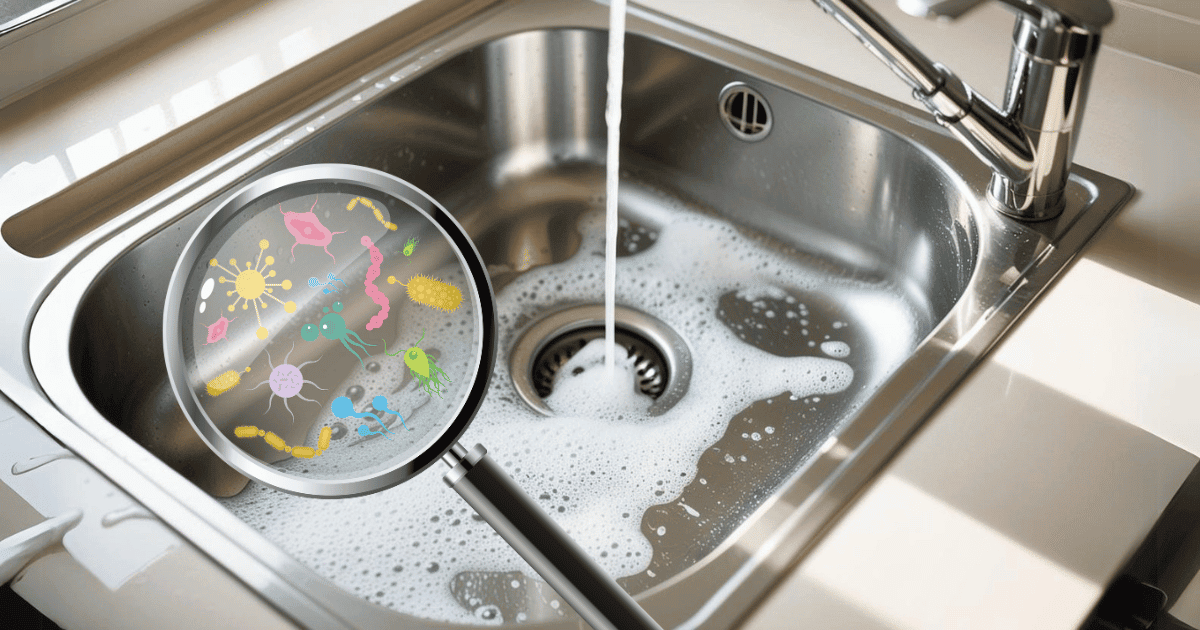
- Even that sparkly clean kitchen counter might be harboring airborne nasties from the cleaning products we use.
But here’s the real kicker – all these pollutants can have some pretty gnarly effects on our health. In the short term, you might experience headaches, dizziness, or fatigue.
Long-term exposure? That’s where things get really scary. We’re talking increased risk of respiratory diseases, heart problems, and even cancer. Yikes!
In the next sections, we’ll dive deeper into specific toxins and how to give ’em the boot. But for now, take a deep breath (maybe outside) and pat yourself on the back for taking the first step towards a healthier home. You’ve got this, toxic-busting superhero!
Sneaky Toxins Hiding in Your Cleaning Products
Okay, confession time: I used to be a cleaning product junkie. You know the type – a different spray for every surface, and the more germs and bacteria the bottle said it killed, the better. I thought I was being a cleaning superhero, but little did I know I was actually inviting a bunch of sneaky toxins into my home. Talk about a plot twist!
Here’s the dirty truth about cleaning: Many of our go-to cleaning products are packed with harmful chemicals that could make a chemist’s head spin. We’re talking about nasties like:
- Phthalates: These are often hiding in fragranced products. They’re like the ninja of toxins – you can’t see ’em, but they’re there, messing with our hormones.
- Perchloroethylene: Found in spot removers and carpet cleaners. Spoiler alert: it’s a possible carcinogen.
- Triclosan: This antibacterial agent is so controversial it’s been banned in some places. Yet it’s still lurking in many cleaning products.
But here’s the real kicker – you won’t find most of these listed on the label. Companies aren’t required to list all ingredients, so they often hide behind vague terms like “fragrance” or “preservative.” Sneaky, right?
Now, before you swear off cleaning forever (tempting, I know), there’s good news! You can keep your home spick and span without turning it into a chemical wasteland. Here are some tricks I’ve learned:
- Vinegar and water: This dynamic duo can clean almost anything.
- Baking soda: It’s not just for baking! This stuff is amazing for scrubbing tough stains.
- Essential oils: If you’re missing that “clean” smell, add a few drops of your favorite essential oil to your natural cleaners.
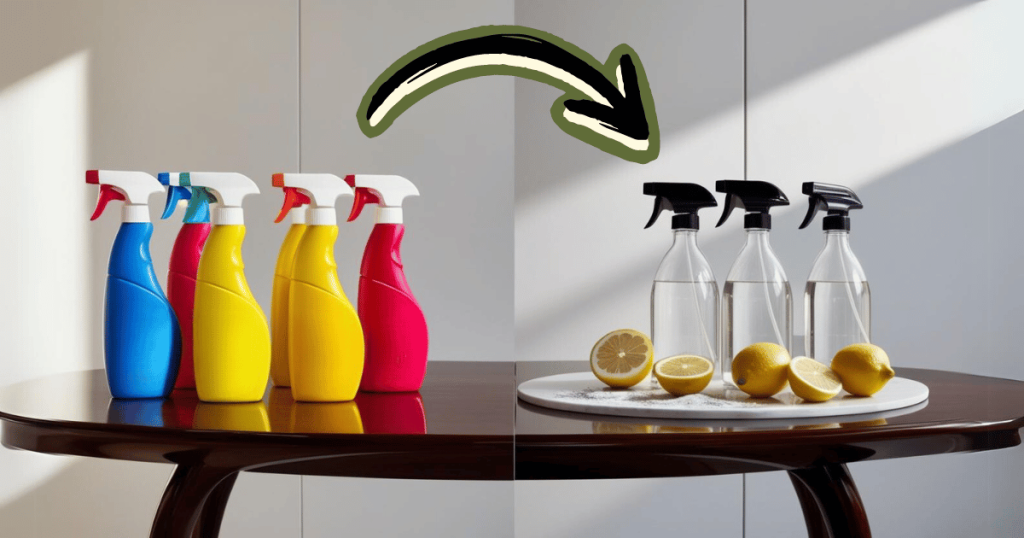
To learn more about safe cleaning alternatives, check out 7 Best Safe Cleaning Product Alternatives in 2024!
When you do buy products, become a label detective. Look for brands that fully disclose their ingredients. And remember, if you need a hazmat suit to use it safely, maybe it doesn’t belong in your home!
The Silent Danger of VOCs in Your Furniture and Decor
VOCs, or Volatile Organic Compounds, are like the drama queens of the chemical world. They’re compounds that easily become vapors or gases at room temperature.
In other words, they’re constantly throwing themselves into the air, desperate for attention. And boy, do they get it – usually in the form of headaches, nausea, and other not-so-fun symptoms.
VOCs are everywhere:
- That oh-so-comfy memory foam mattress? VOC central.
- Your stylish laminate flooring? Yep, probably off-gassing as we speak.
- Even that fancy air freshener you love? Sorry to break it to you, but it’s basically a VOC dispenser.
The real kicker? These chemicals can hang around for years, slowly releasing into your air.
Here are some tricks I’ve learned to keep VOCs in check:
- Air it out: If you do buy new furniture or carpets, let them off-gas outside or in a well-ventilated area for a few days before bringing them in.
- Go natural: Look for furniture made from solid wood, metal, or glass instead of pressed wood or particleboard.
- Check the labels: Look for products certified as low-VOC or no-VOC. They might cost a bit more, but can you really put a price on not feeling like you’re living in a chemical factory?
- Bring in the green team: Certain houseplants are amazing at filtering VOCs from the air. Spider plants and peace lilies are my go-to air-cleaning squad.

So next time you’re shopping for home decor, remember: that “new furniture smell” isn’t a feature, it’s a warning. Your lungs (and your future self) will thank you for choosing healthier options.
Mold: The Hidden Health Hazard in Damp Spaces
Alright, folks, it’s time to talk about something that’s probably growing in your bathroom right now.
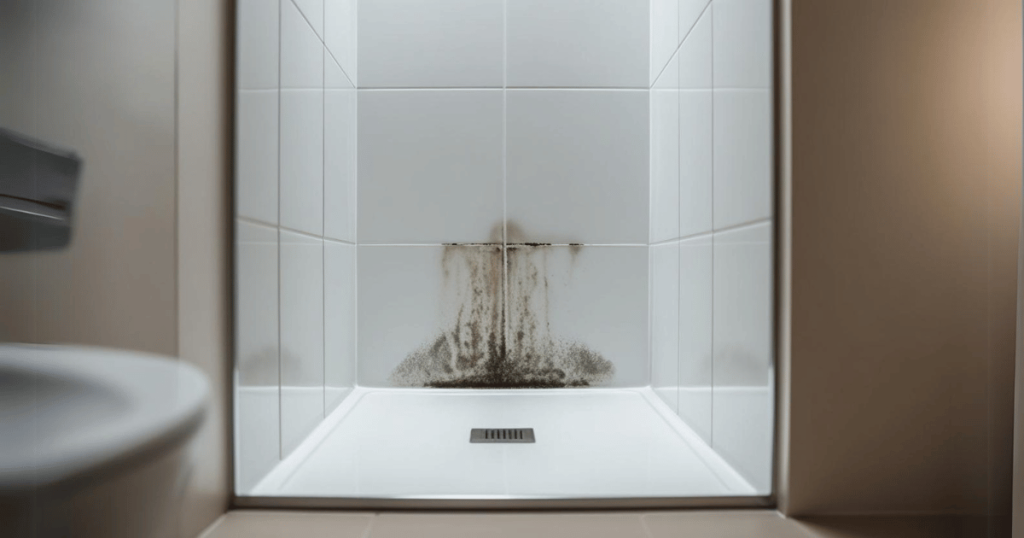
Here’s the deal: mold is like that uninvited party guest who shows up wherever there’s moisture and starts causing trouble. We’re talking about different types of mold, each with its own special brand of “ick”:
- Black mold: The villain of the mold world. It’s not just ugly, it’s potentially toxic.
- White mold: Often mistaken for efflorescence (mineral deposits), this sneaky type can be just as harmful.
- Green mold: Usually found on food, but can also make its home on damp walls and fabrics.
Now, you might be thinking, “So what if I have a little mold? I’m not eating it!” Well, hate to break it to you, but you might be breathing it in. Mold releases spores into the air, and these little troublemakers can cause all sorts of health issues:
- Allergic reactions: Think sneezing, runny nose, red eyes. It’s like hay fever, but inside your house!
- Asthma attacks: For people with asthma, mold can be a serious trigger.
- Chronic sinus infections: Been battling a sinus infection that just won’t quit? Mold might be the culprit.
In severe cases, exposure to certain types of mold can even lead to neurological problems or lung infections. Yikes!
But don’t panic and set your house on fire just yet (though I’ll admit, I considered it). There are ways to fight back against the mold menace:
- Control moisture: Fix leaks, use exhaust fans, and keep humidity levels below 60%.
- Clean regularly: Pay special attention to bathrooms, kitchens, and basements.
- Improve ventilation: Open windows when possible, and consider using dehumidifiers in damp areas.
- Use mold-resistant products: When renovating, opt for mold-resistant drywall, paint, and even bathroom grout.
Remember, folks: when it comes to mold, what you can’t see can hurt you.
The Unseen Threat of Radon Gas
Radon is a colorless, odorless, radioactive gas that comes from the natural breakdown of uranium in soil and rock. Yep, you read that right – radioactive! It’s like having a tiny nuclear reactor under your house, except way less cool and way more dangerous.
The scary part? Radon can seep into your home through cracks in the foundation, pipes, or other openings. And since you can’t see, smell, or taste it, it could be throwing a radioactive party in your basement right now and you’d have no clue!
Now, you might be thinking, “Come on, how bad can it really be?” Well, hold onto your hazmat suits, folks, because radon is the second leading cause of lung cancer after smoking. Yeah, it’s that serious.
So how do you know if your home is harboring this invisible intruder? Here’s what I learned:
- Get a radon test kit: You can buy these online or at hardware stores. They’re pretty easy to use – just follow the instructions and send it off to a lab.
- Hire a professional: If you want to be extra sure, bring in a pro to do continuous monitoring.
- Pay attention to your area: Some regions have higher radon levels than others due to soil composition.
If your home does have high radon levels, you can take action:
- Install a radon mitigation system: This usually involves a pipe and fan that pulls radon from beneath your house and vents it outside.
- Seal cracks and openings in your foundation: This can help reduce the amount of radon entering your home.
- Improve ventilation: Sometimes, simply increasing airflow can help lower radon levels.
Remember, folks: just because you can’t see radon doesn’t mean it’s not there. It’s like the ninja of hidden home toxins – silent, invisible, but potentially deadly.
Toxic Chemicals Lurking in Your Carpets and Upholstery
Our cozy carpets and cushy upholstery often come with a side of toxic chemicals that would make a chemist’s hair stand on end. We’re talking about nasties like:
- PFCs (Perfluorinated Compounds): These are the “miracle” chemicals that make stuff stain-resistant. Turns out they’re also pretty resistant to breaking down in our bodies or the environment. Yikes!
- Flame Retardants: Sounds good in theory, right? Except many of these chemicals have been linked to hormone disruption and even cancer.
- Formaldehyde: Yep, the same stuff used in embalming. It’s often found in the backing of carpets and can cause respiratory issues.
Now, you might be thinking, “But I’ve had this carpet for years! Surely all the bad stuff has gone away by now?” Sorry to burst your bubble, but these chemicals can hang around for a long, long time. It’s like they’ve signed a lifetime lease on your living room.
So, what’s a comfy-loving person to do? Here are some tricks I’ve picked up:
- Go natural: Look for carpets and upholstery made from natural fibers like wool, cotton, or jute. They might not repel stains like a force field, but hey, that’s what cleaning is for, right?
- Check the labels: Look for furniture and carpets certified by organizations like GreenGuard or OEKO-TEX, which have strict standards for chemical emissions.
- Air it out: If you do buy new carpets or furniture, let them off-gas outside or in a well-ventilated area for a few days before bringing them in.
- Vacuum like your life depends on it: Regular vacuuming (with a HEPA filter) can help reduce the amount of chemicals in your carpet.
And here’s a pro tip: if you’re stuck with your current carpet or couch, don’t panic. You can still reduce your exposure by using slipcovers, area rugs, or even just opening the windows regularly to air things out.
The Dangers of Lead in Older Homes
Here’s the scoop: If your home was built before 1978, there’s a good chance it has lead-based paint lurking somewhere.
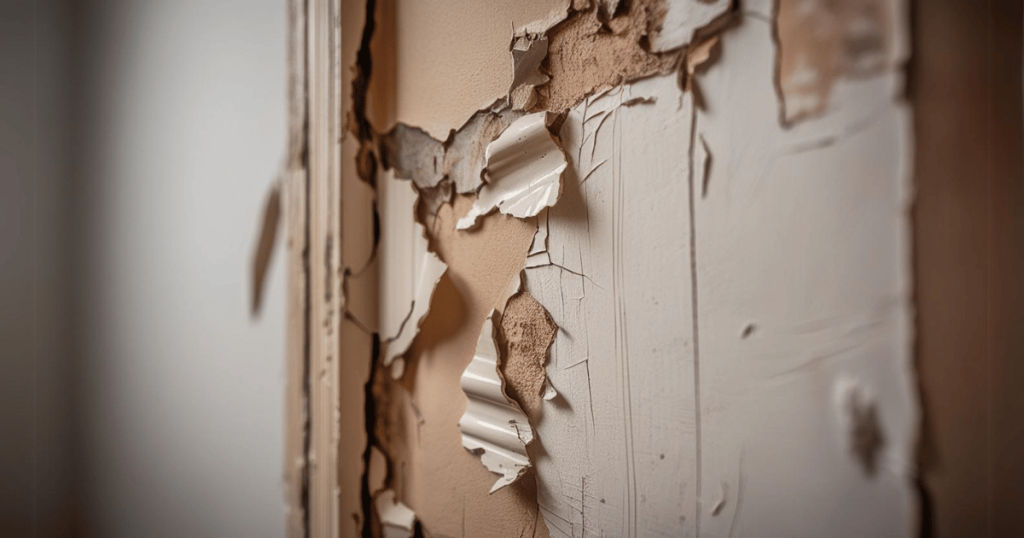
And it’s not just paint – old pipes, soil around the house, and even some types of ceramic tiles can contain lead.
Now, you might be thinking, “But I haven’t eaten any paint chips lately, so I’m good, right?” Lead can be sneaky. It can create dust when old paint deteriorates or is disturbed during renovations. This dust can settle on surfaces, get into the air, and before you know it, you’re breathing in a lead cocktail. Yum?
The effects of lead exposure are no joke:
- In kids: It can cause learning disabilities, behavioral problems, and developmental delays.
- In adults: Think high blood pressure, kidney damage, and reproductive issues. It’s like rapid aging, but without the wisdom.
So, what’s a vintage home lover to do? Here are some tips I’ve picked up:
- Get your home tested: You can buy lead testing kits at hardware stores, or hire a professional for a thorough inspection.
- Don’t DIY if you don’t know: If you suspect lead paint, leave the demolition to the pros. They have the right equipment to handle it safely.
- Keep it clean: Regular cleaning with a damp mop or sponge can help control lead dust.
- Cover it up: If lead paint is in good condition, sometimes the safest option is to seal it with a fresh coat of unleaded paint.
If you do find lead in your home, don’t panic! There are ways to deal with it safely. Just think of it as adding another chapter to your home’s colorful history – preferably a chapter that doesn’t involve toxic metals!
Electromagnetic Fields (EMFs): A Modern Home Toxin
Alright, tech lovers and gadget enthusiasts, it’s time we had a heart-to-heart about something that’s literally all around us: Electromagnetic Fields, or EMFs.
Here’s the deal: EMFs are energy fields produced by electrical devices. They’re everywhere – from your microwave to your electric toothbrush. It’s like we’re all living in a giant electromagnetic snow globe, except instead of snow, it’s invisible waves of energy. Fun, right?
Now, you might be thinking, “But I love my gadgets! They can’t be bad for me!” Well, the jury’s still out on the long-term effects of EMF exposure, but some studies have linked high levels of exposure to:
- Sleep disturbances: Can’t sleep? Your late-night scrolling might be to blame – and not just because of the blue light!
- Headaches and fatigue: That 3 PM slump might not just be from your boring meetings.
- In extreme cases, some researchers have even suggested links to more serious health issues.
So, what’s a modern human to do? Here are some less drastic measures I’ve adopted:
- Distance is your friend: Keep devices like routers and cell phones away from your body when possible. No more sleeping with your phone under your pillow!
- Wired > Wireless: When you can, opt for wired connections over wireless. It’s like going retro, but for your health!
- Turn it off: Power down devices when you’re not using them. Your electric bill will thank you too!
- Go au naturel: Spend time in nature to give your body a break from the electromagnetic soup.
Now, don’t get me wrong – I’m not saying we should all get rid of our tech. I still love my gadgets! But I’ve learned to love them from a bit more of a distance. It’s like practicing social distancing with your electronics – keep them at arm’s length, and everyone stays healthier.
Water Contaminants: What’s Really Coming Out of Your Tap
It’s time to talk about something we all take for granted: the water coming out of our taps.
Our tap water can contain all sorts of uninvited guests. We’re talking about contaminants like:
- Lead: Remember our chat about old houses? Well, old pipes can leach lead into your water. It’s like getting a history lesson with every sip, except way less fun.
- Chlorine: It keeps the bad bugs away, but too much can dry out your skin and hair.
- Microplastics: Tiny bits of plastic that are basically everywhere now. It’s like drinking from a very diluted plastic water bottle.
Now, you might be thinking, “But my water looks clear! It can’t be that bad, right?” Many contaminants are invisible to the naked eye.
So, what’s a thirsty person to do? Here are some tricks I’ve picked up:
- Get your water tested: You can buy home testing kits or send a sample to a lab for more detailed results.
- Invest in a good water filter: There are options for every budget, from pitcher filters to whole-house systems.
- Let it run: If you haven’t used your tap in a while, let the water run for a minute before drinking. It helps flush out any nastiness that’s been sitting in the pipes.
- Go for cold: Use cold water for drinking and cooking. Hot water can contain more contaminants because it dissolves things more easily.
Now, don’t get me wrong – we’re lucky to have access to clean(ish) water at all. But that doesn’t mean we can’t strive for better. After all, water is literally keeping us alive. Shouldn’t it be as clean as possible?
So, what’s the takeaway from all this?
Here are a few key points to remember:
- Be aware: Simply knowing about these toxins is half the battle. You can’t fight what you don’t know exists!
- Take action: Whether it’s investing in a water filter, switching to natural cleaning products, or getting your home tested for radon, every small step counts.
- Don’t panic: Yes, there are toxins out there, but with some simple changes, we can significantly reduce our exposure.
- Spread the word: Share what you’ve learned with friends and family. After all, a rising tide lifts all boats (preferably boats free of toxic chemicals).
Remember, creating a healthier home environment isn’t about achieving perfection. It’s about making informed choices and taking steps in the right direction. It’s a journey, not a destination – and hey, at least it’s an interesting journey, right?
To learn about more ways to transform your home, check out The Ultimate Non-Toxic Home Guide: Live Healthier in 2024.