What Are Non-Toxic Cooking Utensils: A Complete Guide for 2025
What are non-toxic cooking utensils? This question became crucial to me when I discovered, as an engineer turned health advocate, that many common kitchen tools can release harmful substances into our food.
Through extensive research and testing in my own kitchen, I’ve learned that the answer goes beyond just avoiding plastic. It’s about understanding material stability, heat resistance, and chemical composition.
The most surprising thing I’ve learned is that even some supposedly “safe” materials can be problematic if they’re not high-quality or properly certified. For instance, not all stainless steel is created equal, and some bamboo utensils are treated with questionable chemicals.
This guide will help you understand exactly what makes cooking utensils truly non-toxic and how to choose the safest options for your kitchen. Whether you’re a seasoned home cook or just starting to pay attention to kitchen safety, understanding what goes into your food – including what might be leaching from your cooking utensils – is crucial for maintaining a healthy kitchen.
Let’s dive into everything you need to know about choosing and using non-toxic cooking utensils.
Key Takeaways
Before we dive deep into the details, here are the essential points you need to know about non-toxic cooking utensils:
- Material Safety: Non-toxic cooking utensils are made from stable materials like 18/10 stainless steel, untreated bamboo, natural hardwoods, and certified food-grade silicone that don’t leach chemicals into food.
- Temperature Stability: Safe utensils maintain their integrity even at high cooking temperatures (up to 450°F/232°C) without releasing harmful substances or degrading.
- Certifications Matter: Look for utensils with FDA food contact approval, EFSA certification, or NSF International certification to ensure safety standards are met.
- Red Flags: Avoid utensils made with BPA, phthalates, PVC, melamine, or unknown plastic compounds, as these can release harmful chemicals when heated.
- Proper Care: The safety and longevity of non-toxic utensils depend on proper care and maintenance – different materials require different cleaning and storage methods.
- Regular Inspection: Check your utensils regularly for signs of wear, degradation, or damage, and replace them when needed to maintain food safety.
What Are Non-Toxic Cooking Utensils?

When I first started investigating kitchen safety, I was shocked to discover how complex the definition of “non-toxic” really is. Non-toxic cooking utensils are kitchen tools manufactured from materials that remain stable during cooking and don’t release harmful chemicals into your food, even under challenging conditions.
Think of it this way: every time you stir a hot soup or scrape a pan, your utensils interact with both heat and food. Non-toxic utensils maintain their integrity during these interactions, ensuring no unwanted substances make their way into your meals.
Through my research, I’ve found that truly non-toxic utensils must meet several key criteria:
- The material stays stable at typical cooking temperatures (up to 450°F/232°C)
- No chemical leaching occurs when in contact with food
- The surface doesn’t degrade or react with acidic ingredients
- The materials carry proper food-safety certifications
- No harmful additives or coatings are present
I learned this firsthand when I noticed my old plastic spatula had started to degrade after repeatedly using it with tomato sauce. That’s exactly what we don’t want in our cooking tools!
Safe Materials Used in Non-Toxic Cooking Utensils
Let’s dive into the materials that consistently prove themselves safe for kitchen use. After testing numerous options in my kitchen and researching their molecular stability (yes, my engineering background comes in handy!), here are the top safe materials:
- Stainless Steel (18/10 Grade) In my experience, high-grade stainless steel is one of the most reliable materials for cooking utensils. The “18/10” designation isn’t just a random number – it indicates 18% chromium and 10% nickel content, creating an extremely stable alloy. I use these utensils daily for high-heat cooking, and they’ve never shown signs of degradation.
- Untreated Bamboo Bamboo has surprised me with its natural benefits. It’s inherently antimicrobial and doesn’t absorb flavors like some other materials might. However, there’s a catch – it must be untreated bamboo. Some manufacturers use questionable chemicals in treatment processes, which defeats the purpose of choosing a natural material.
- Natural Hardwoods Traditional wooden utensils have stood the test of time for good reason. I’ve found that hardwoods like maple and beech are excellent for gentle cooking and won’t scratch your expensive cookware. Just remember that proper care is essential – I learned this the hard way after ruining a beautiful wooden spoon in the dishwasher.
- Food-Grade Silicone This modern material has earned its place in my kitchen, but not all silicone is created equal. After extensive testing, I’ve found that platinum-cured, certified food-grade silicone is remarkably stable and versatile. It withstands high temperatures without breaking down and doesn’t react with acidic foods.
How to Identify Toxic Materials in Kitchen Utensils
Through my engineering research and hands-on testing, I’ve identified several materials and characteristics that signal a potentially toxic utensil. Here’s what I’ve learned to watch out for:
- Harmful Plastics Many plastic utensils contain concerning chemicals. Even when labeled “BPA-free,” they may contain equally problematic alternatives. During my research, I discovered that common plastics can release endocrine disruptors, especially when heated. Watch out for:
- BPA and its common replacements (BPS, BPF)
- Phthalates used as softening agents
- PVC, which can contain various harmful additives
- Melamine, particularly when exposed to high heat
- Low-grade plastics that easily melt or deform
- Problematic Coatings Some utensils come with coatings that might seem beneficial but can actually introduce toxins into your food. In my testing, I found that many coatings break down over time, especially with frequent use. Avoid:
- Non-stick coatings containing PFOA or PFAS
- Unknown surface treatments without clear documentation
- Decorative paints that can chip into food
- Antimicrobial coatings containing triclosan
- Low-Quality Materials One pattern I’ve noticed is that lower-quality materials often have unclear composition or questionable origins. Be wary of:
- Stainless steel without grade specifications
- Bamboo treated with unknown chemicals
- Mixed materials without clear composition details
- Recycled plastics with uncertain previous uses
Safety Certifications and Standards
In my journey to understand utensil safety, I’ve learned that certifications provide crucial validation. Here’s what to look for:
FDA Food Contact Approval This is a baseline requirement for any kitchen utensil. It means:
- The material has been tested for food contact safety
- Regular compliance checks are required
- Specific migration limits for chemicals are met
European Food Safety Authority (EFSA) Certification Often even stricter than FDA requirements, EFSA certification indicates:
- Comprehensive material testing
- Regular updates to safety standards
- Thorough documentation of all ingredients
NSF International Certification This independent organization provides valuable third-party verification:
- Regular facility inspections
- Material testing for safety
- Ongoing compliance monitoring
Proper Care and Maintenance of Non-Toxic Utensils
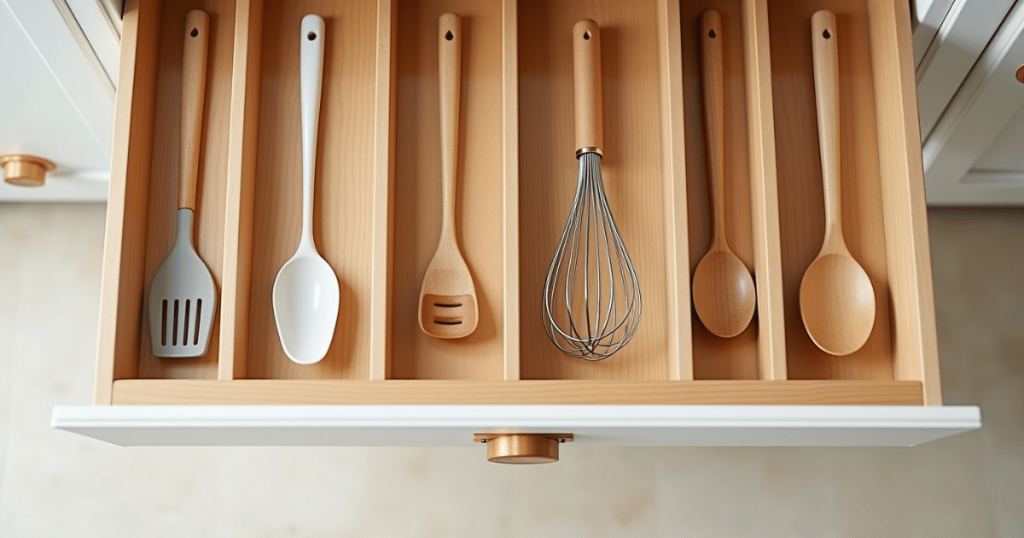
The longevity and safety of your non-toxic utensils largely depend on proper care. Here’s what I’ve learned about maintaining different materials:
- Cleaning Guidelines Each material requires specific care:
Stainless Steel:
- Wash with hot, soapy water
- Safe for dishwasher use
- Dry immediately to prevent water spots
- Avoid abrasive cleaners that can scratch
Bamboo and Wood:
- Hand wash only with mild soap
- Never soak in water
- Dry immediately and thoroughly
- Store in a well-ventilated area
Food-Grade Silicone:
- Wash before first use
- Dishwasher safe on top rack
- Avoid harsh scrubbing tools
- Check for any signs of degradation
- Storage Recommendations Proper storage extends utensil life:
- Keep tools in a clean, dry drawer or container
- Use dividers to prevent scratching
- Avoid extreme temperature changes
- Keep wooden items away from heat sources
Conclusion
So, what are non-toxic cooking utensils? After extensive research and testing, I can confidently say they are kitchen tools made from stable, certified food-safe materials like high-grade stainless steel, untreated bamboo, natural hardwoods, and certified food-grade silicone. These materials don’t leach harmful chemicals into your food and maintain their integrity during cooking.
Understanding what makes cooking utensils non-toxic is crucial for maintaining a healthy kitchen. Through my research and testing, I’ve found that choosing the right materials is essential for minimizing exposure to harmful chemicals while cooking.
Remember to verify certifications, maintain your utensils properly, and replace them when they show signs of wear. With this knowledge, you can make informed decisions about the tools you use in your kitchen and ensure safer cooking for you and your family.
Frequently Asked Questions
What’s the quickest way to identify if a cooking utensil might be toxic?
Look for signs of degradation like melting, discoloration, or strong odors. Also check for clear material identification and proper certifications.
Can high-quality plastic utensils ever be considered non-toxic?
While some high-grade plastics are safer than others, I recommend avoiding plastic utensils for hot cooking applications due to potential chemical leaching.
How long do non-toxic cooking utensils typically last?
With proper care, high-quality non-toxic utensils can last many years. Replace them when you notice any signs of wear, damage, or degradation.
Is it worth investing in expensive non-toxic utensils?
Based on my experience, investing in quality non-toxic utensils is worthwhile. They last longer and provide peace of mind regarding food safety.
What’s the safest material for cooking utensils?
18/10 grade stainless steel is generally considered the safest overall material due to its stability, durability, and resistance to chemical leaching.
By following these guidelines and choosing the right materials, you can create a safer cooking environment in your kitchen. Remember, the small investment in quality, non-toxic utensils pays off in both longevity and peace of mind.