Choosing Non-Toxic Cookware for Your Electric Stove: Complete Guide
Striving for a healthier and safer cooking experience? Look no further than our ultimate guide to choosing non-toxic cookware for your electric stove.
I’m Liz, and as someone who’s spent years analyzing the intersection of engineering and wellness, I’ve learned that what we cook with is just as important as what we cook.
Remember that time you got a brand new non-stick pan and marveled at how easily your eggs slid around? (I sure do!) But what if I told you that same convenient coating might be introducing unwanted chemicals into your morning omelet?
In this comprehensive guide, we’ll help you navigate through the endless options and equip you with the knowledge to make informed decisions. With endless options flooding the market – from stainless steel to ceramic, cast iron to glass – choosing safe cookware for your electric stove can feel overwhelming.
As an engineer turned wellness advocate, I’ve done the heavy lifting for you, conducting extensive research and running countless tests in my own kitchen. The best part? By the end of this article, you’ll have the confidence to transform your kitchen into a safer cooking space, armed with the same systematic approach I used to revolutionize my own cooking journey. Ready to dive into the fascinating world of non-toxic cookware? Let’s get started!
The Importance of Choosing Non-Toxic Cookware
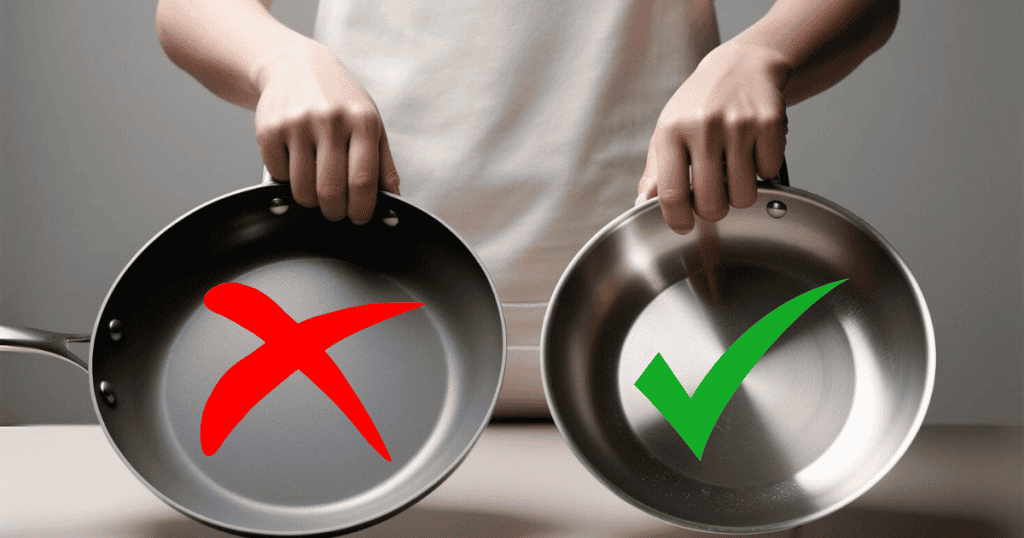
Choosing non-toxic cookware is essential for anyone who values their health and well-being. In today’s world, where we are increasingly aware of the potential dangers of chemicals and toxins in our food, the cookware we use plays a significant role in our overall health.
Traditional cookware can leach harmful substances into our meals, which can accumulate in our bodies over time. By opting for non-toxic alternatives, we can take a proactive step toward safeguarding our health and ensuring that the food we prepare is not only delicious but also safe to consume.
Moreover, non-toxic cookware is often made from materials that are more environmentally friendly. As we become more conscious of our environmental impact, selecting cookware that is free from harmful chemicals can contribute to a more sustainable lifestyle.
Many non-toxic options are designed with longevity in mind, reducing the need for frequent replacements and minimizing waste. This conscious choice can lead to a healthier planet, making our cooking experience not only safer but also more responsible.
Furthermore, the benefits of non-toxic cookware extend beyond health and environmental considerations. Many non-toxic materials, such as stainless steel and cast iron, are known for their excellent heat conductivity and durability.
This means that cooking with these materials can enhance your culinary skills, allowing for better temperature control and even cooking. The combination of health benefits and improved cooking performance makes non-toxic cookware an essential investment for anyone looking to elevate their kitchen experience.
Understanding the Dangers of Toxic Cookware
The dangers associated with toxic cookware are often overlooked, yet they pose significant risks to our health. Many conventional cookware options are made from materials that can release harmful chemicals when heated, especially at high temperatures.
For instance, Teflon and other non-stick coatings can emit toxic fumes when overheated, which can lead to respiratory issues and other health problems. Additionally, these coatings can degrade over time, leading to the ingestion of harmful particles.
Another concern is the use of aluminum in cookware, which has been linked to various health issues, including neurodegenerative diseases. While aluminum cookware is lightweight and conducts heat well, the potential leaching of aluminum into food, especially acidic dishes, raises red flags for health-conscious cooks. Furthermore, the coatings used on aluminum cookware can also contain toxic substances that may leach into food, compounding the risks.
Understanding these dangers is the first step in making informed decisions about the cookware we use. The potential health risks associated with traditional cookware can have long-lasting impacts, especially for vulnerable populations such as children and pregnant women. By choosing non-toxic cookware, we can significantly reduce our exposure to these harmful substances and promote a healthier cooking environment for ourselves and our families.
Common Toxic Materials Used in Cookware
Several common materials found in cookware are known for their toxic properties. One of the most notorious is Teflon, a brand name for polytetrafluoroethylene (PTFE), which is widely used in non-stick cookware. While it offers convenience, the risks associated with overheating Teflon are serious. At temperatures above 500°F, Teflon can release toxic fumes that can cause flu-like symptoms in humans and can be fatal to birds. This makes it a concerning choice for many health-conscious individuals.
Another common toxic material is aluminum. While lightweight and affordable, aluminum cookware can leach into food, especially when cooking acidic foods like tomatoes or vinegar-based dishes. This leaching can contribute to health issues, including bone disorders and neurological problems. Additionally, many aluminum pots and pans are coated with non-stick substances that may also contain harmful chemicals.
Lastly, many non-stick coatings are made with perfluorinated compounds (PFCs), which are linked to a range of health issues, including cancer and liver damage. These substances can persist in the environment and accumulate in the human body, raising concerns about their long-term effects. Being aware of these materials is crucial for anyone looking to make safer choices in their kitchen.
How to Identify Non-Toxic Cookware
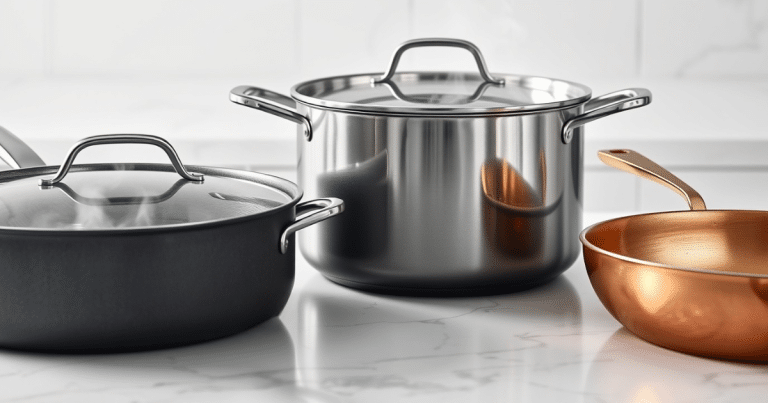
Identifying non-toxic cookware requires a keen eye and a bit of research. First and foremost, look for materials that are known to be safe for cooking. Stainless steel, cast iron, ceramic, and glass are excellent choices.
Stainless steel is non-reactive and durable, while cast iron offers excellent heat retention and can even add beneficial iron to your diet. Ceramic and glass cookware are also non-toxic and often free from harmful chemicals, though care must be taken to choose high-quality products that do not contain lead or cadmium.
When shopping for cookware, it’s also essential to check for certifications and labels that indicate safety standards. Look for cookware that is labeled as PFOA-free and PTFE-free, as these indicate the absence of harmful chemicals typically found in non-stick coatings.
Additionally, consider products that have been certified by reputable organizations, such as the FDA or other food safety authorities, which can provide peace of mind regarding their safety and quality.
Lastly, don’t hesitate to research brands and their manufacturing practices. Many companies are now transparent about their materials and processes, providing detailed information on their websites. Reading customer reviews and seeking out expert opinions can also be beneficial in ensuring that you are making a well-informed choice when selecting non-toxic cookware.
Factors to Consider When Choosing Non-Toxic Cookware for an Electric Stove
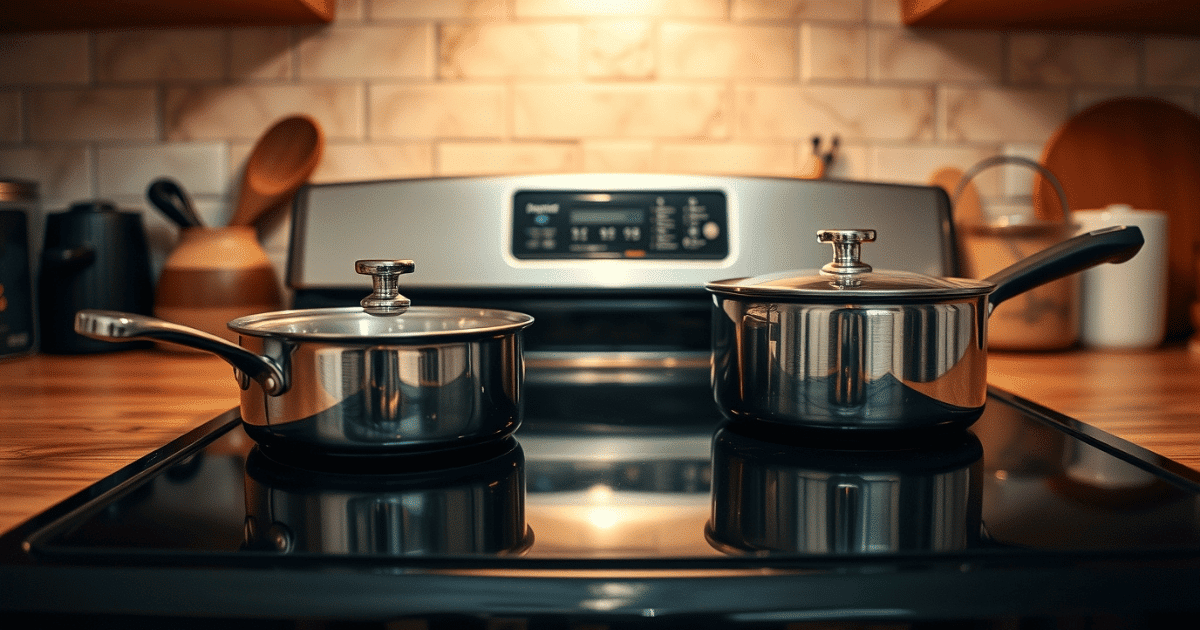
When selecting non-toxic cookware for your electric stove, several important factors come into play that can influence both safety and performance. One of the first considerations is the compatibility of the cookware with electric heating elements.
Materials like stainless steel and cast iron are excellent choices, as they are compatible with electric stoves and provide even heat distribution. Avoid using cookware that is too thin, as it may not heat properly or could warp under high temperatures.
Another factor to consider is the weight of the cookware. Heavier pots and pans, such as those made from cast iron or thick stainless steel, tend to retain heat better and provide more consistent cooking results. This is particularly important for electric stoves, where temperature control can sometimes be less precise than with gas cooking. Additionally, ensure that the handles are sturdy and heat-resistant, as this will enhance usability and safety while cooking.
Finally, consider the maintenance and care required for the cookware you choose. Some non-toxic materials, such as cast iron, require specific care, including seasoning and avoiding acidic foods. On the other hand, stainless steel and ceramic cookware are often easier to maintain and clean. Assessing your cooking habits and willingness to invest time in maintenance will help you choose the right non-toxic cookware that fits your lifestyle and cooking preferences.
Types of Non-Toxic Cookware Suitable for Electric Stoves
There is a variety of non-toxic cookware options that work beautifully on electric stoves, each with its own unique benefits. Stainless steel cookware is a top choice due to its durability, non-reactive properties, and excellent heat conductivity. It also offers a sleek and professional look in the kitchen. High-quality stainless steel cookware often features an aluminum or copper core, which enhances heat distribution and helps prevent hot spots when cooking.
Cast iron is another fantastic option, known for its exceptional heat retention and even cooking. While it may require a bit more maintenance, cast iron cookware can last a lifetime and even improve with age. It’s perfect for dishes that require slow, even cooking, such as stews and braises. Additionally, cast iron skillets can be used for searing meats and frying, making them versatile kitchen tools.

Ceramic cookware is also gaining popularity, especially for those looking for non-stick options without the harmful chemicals. High-quality ceramic cookware is free from PFOA and PTFE and can withstand high temperatures. It’s ideal for baking and stovetop cooking, providing an alternative to traditional non-stick surfaces. Finally, glass cookware is another safe choice for electric stoves. It’s non-reactive and perfect for oven use, allowing you to monitor your dishes without any concerns about chemicals leaching into your food.
Benefits of Using Non-Toxic Cookware on an Electric Stove
Using non-toxic cookware on an electric stove offers numerous benefits that enhance both health and cooking performance. One of the primary advantages is the peace of mind that comes with cooking without the risk of harmful chemicals leaching into your food. Non-toxic materials are designed to be safe for food preparation at various temperatures, ensuring that your meals are not only delicious but also free from chemical contamination.
Another significant benefit is improved cooking performance. Non-toxic cookware like stainless steel and cast iron provides excellent heat retention and distribution, allowing for more controlled cooking. This can lead to better results when sautéing, frying, or simmering, as these materials help maintain consistent temperatures. With electric stoves, where even heating can sometimes be a challenge, having high-quality non-toxic cookware makes a noticeable difference in the quality of your dishes.
Additionally, non-toxic cookware is often more durable and long-lasting than traditional options. Investing in high-quality materials means you won’t need to replace your cookware frequently, which not only saves money in the long run but also reduces waste. This durability also means that you can enjoy better cooking experiences without the fear of your cookware deteriorating over time, making your kitchen a healthier and more enjoyable space.
Top Brands Offering Non-Toxic Cookware for Electric Stoves
Several reputable brands are recognized for their commitment to producing non-toxic cookware suitable for electric stoves. One standout name is All-Clad, known for its high-quality stainless steel cookware that provides excellent heat conductivity and durability.
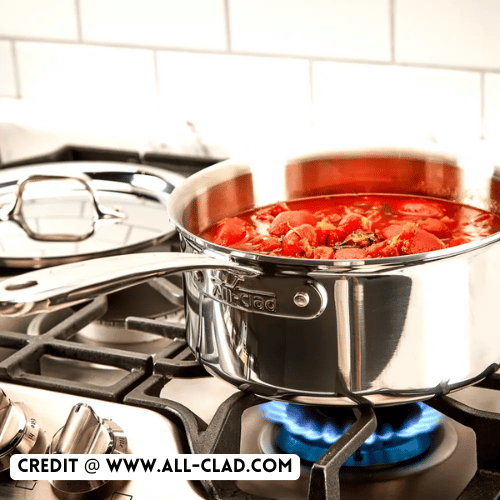
All-Clad
All-Clad’s products are PFOA-free and designed for professional performance, making them a favorite among both home cooks and culinary enthusiasts.
Another noteworthy brand is Le Creuset, famous for its enameled cast iron cookware. Their products not only offer beautiful aesthetics but also exceptional heat retention and versatility.
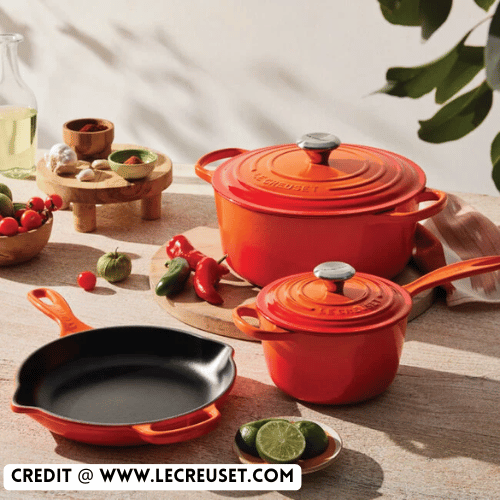
Le Creuset
Le Creuset cookware is safe for use on electric stoves and can transition seamlessly from stovetop to oven, making it a versatile choice for various cooking methods.
For those seeking ceramic options, GreenPan is a leading brand that offers a range of ceramic non-stick cookware. Their products are free from toxic chemicals and are designed to withstand high temperatures while providing easy food release.
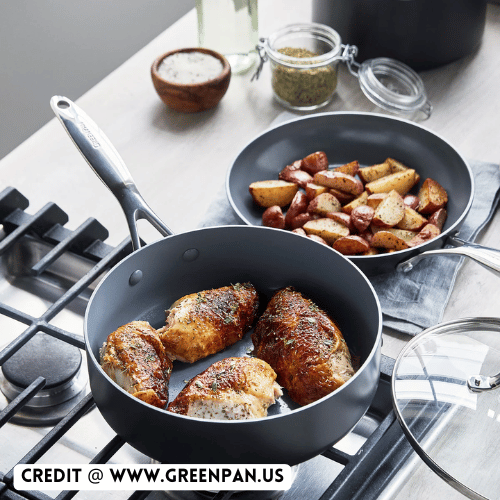
GreenPan
GreenPan focuses on sustainability and health, making it an excellent choice for eco-conscious consumers who want to prioritize safety in their kitchens.
Tips for Maintaining and Caring for Non-Toxic Cookware
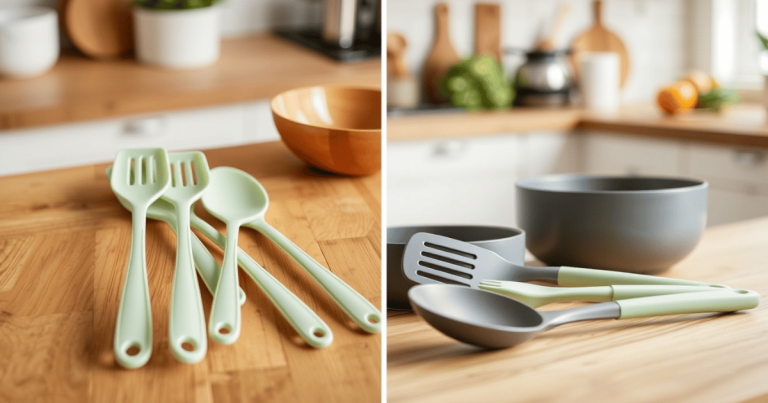
Proper maintenance and care of non-toxic cookware are essential for ensuring its longevity and performance. For stainless steel cookware, it’s important to avoid using metal utensils that can scratch the surface. Instead, opt for wooden or silicone tools when cooking. Additionally, regular cleaning with warm soapy water and avoiding harsh abrasives will keep your cookware looking new and performing well.
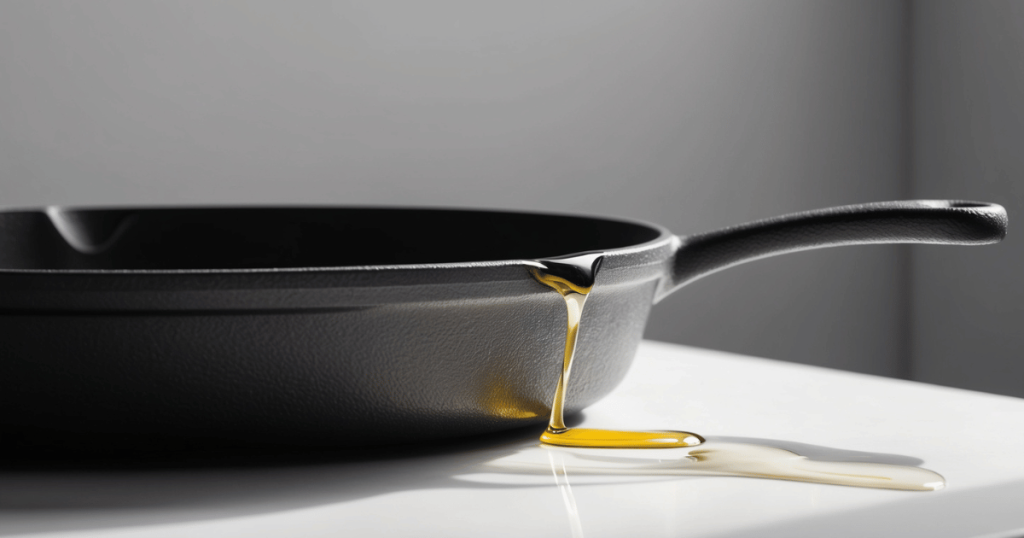
When it comes to cast iron cookware, seasoning is key to maintaining its non-stick properties and preventing rust. After each use, clean your cast iron pieces with a soft brush and hot water, avoiding soap if possible. Once cleaned, dry them thoroughly and apply a thin layer of oil to preserve the seasoning. This practice will enhance the cookware’s natural non-stick surface and improve its cooking performance over time.
Ceramic and glass cookware should be treated gently, as they can chip or break if dropped. To clean ceramic cookware, use a soft sponge and avoid abrasive cleaners. For glass cookware, let it cool down before washing to prevent thermal shock. Regular care and attention to the specific needs of each type of non-toxic cookware will ensure that they remain safe and effective for years to come.
Conclusion: Prioritizing Health and Safety in Your Cooking Journey
In the quest for a healthier lifestyle, prioritizing the type of cookware we use is paramount. Non-toxic cookware offers a myriad of benefits, from safeguarding our health to enhancing our cooking experiences. By understanding the dangers of toxic materials and recognizing how to identify safe cookware, we can make informed decisions that positively impact our well-being.
As we embrace the cooking journey, it’s essential to consider factors such as compatibility with electric stoves, the types of materials, and the long-term benefits of investing in high-quality cookware. With numerous reputable brands offering non-toxic options, it has become easier than ever to find products that align with our health and cooking goals.
Ultimately, choosing non-toxic cookware is not just about making a purchase; it’s a commitment to a healthier lifestyle. By adopting these practices and making conscious choices in the kitchen, we can enjoy delicious meals while minimizing potential health risks. Let’s embark on this cooking journey with confidence, knowing that our choices today will lead to a healthier tomorrow.