Toxic Cookware to Avoid: A Science-Based Guide to Safer Cooking
You know that favorite non-stick pan you’ve been using for years? The one that makes perfect eggs every morning? Well, I hate to be the bearer of bad news, but it might be slowly compromising your family’s health.
I discovered this harsh reality during my own health crisis three years ago, when my engineering background led me down a rabbit hole of cookware safety research. According to the Environmental Working Group, toxic chemicals from cookware can leach into food and accumulate in the body over time, potentially leading to various health issues including hormone disruption and metabolic problems.
But here’s what really caught my attention: a study by the Centers for Disease Control and Prevention found that 97% of Americans have detectable levels of PFAS (the chemicals commonly used in non-stick cookware) in their bloodstream. As an engineer who spent years designing safety systems, this statistic stopped me in my tracks. How could something so seemingly innocent as our everyday cookware be contributing to such widespread chemical exposure?
In this comprehensive guide, I’ll share everything I’ve learned about the toxic cookware to avoid, their potential health impacts, and most importantly, what you can do to create a safer cooking environment for you and your family. From understanding the science behind material leaching to implementing a practical replacement strategy that won’t break the bank, we’ll cover all the bases. Let’s dive into the details and transform your kitchen into a healthier cooking space, one pan at a time!
Understanding Common Toxic Materials in Cookware
I’d been using my favorite non-stick pan for years, not realizing it was releasing harmful particles every time it got a little too hot – which, let’s be honest, happens more often than we’d like to admit!
The biggest culprit in many kitchens is PTFE (Teflon) and its chemical cousins, PFOA and PFAS. These synthetic compounds, while great at preventing eggs from sticking, can release toxic fumes when heated above 500°F (260°C).
Trust me, it’s easier to reach that temperature than you might think! I once measured my pan’s surface temperature while preheating it for a stir-fry – it hit 450°F in just a few minutes. I used to think that using a higher flame will allow my food to cook faster. I know better now, that this is not only incorrect but dangerous.
But here’s what really caught my attention during my research: these chemicals don’t just stay in the pan. They can transfer to our food and eventually accumulate in our bodies. Studies have shown that PFAS chemicals (the “forever chemicals”) can be detected in the bloodstream of 97% of Americans. Pretty shocking, right?
Aluminum is another tricky material. While it’s an excellent heat conductor (which is why it’s so popular in cookware), uncoated aluminum can leach into food, especially when cooking acidic dishes. I learned this the hard way when I used my old aluminum pot to make tomato sauce. The metallic taste was subtle but definitely noticeable.

And don’t get me started on cheap ceramic coatings! While high-quality ceramic can be safe, many lower-cost options contain lead and cadmium in their glazes. These heavy metals can leach into food, particularly when the coating starts to chip or crack. I’ve seen this happen with several budget-friendly pans in my kitchen.
Top Toxic Cookware Materials to Phase Out
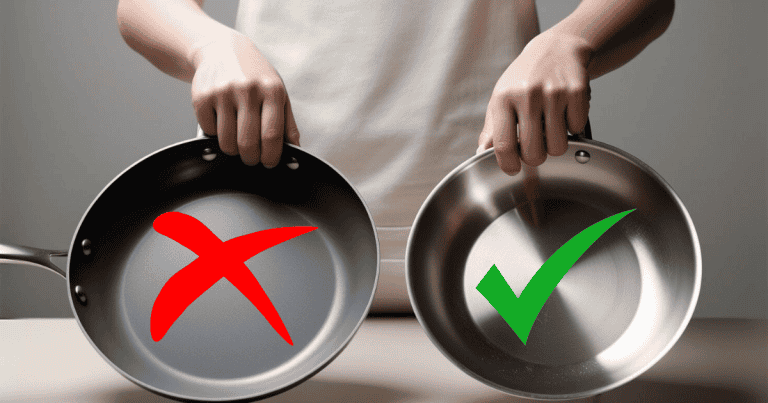
Traditional non-stick pans with PTFE coatings are at the top of my phase-out list. Even though newer versions are PFOA-free, they still contain concerning chemicals that can release toxic fumes when overheated.
What really opened my eyes was a study showed these “safer” versions can still release harmful particles when heated above 500°F.
I remember the time I accidentally left my non-stick pan on high heat while answering a phone call – the resulting fumes made my eyes burn. After that incident, I used an infrared thermometer to measure how quickly these pans heat up – it took just 2-3 minutes on high heat to reach potentially dangerous temperatures!
Low-quality aluminum cookware is another major concern. Unless properly anodized, aluminum can leach into your food, especially when cooking acidic ingredients. As I mentioned before, I’ve found that tomato-based sauces cooked in aluminum pots can contain significantly higher levels of aluminum than those cooked in stainless steel.
Copper cookware without proper linings is particularly problematic. While copper is an excellent heat conductor (which is why professional chefs love it), it can react with acidic foods and leach into meals. The CDC has reported that excessive copper intake can cause nausea, vomiting, and even liver damage in severe cases. Modern copper cookware should always have a stainless steel or tin lining, but these linings can wear down over time, requiring professional restoration to remain safe.
The most deceptive category might be damaged ceramic-coated pans. Even high-quality ceramic coatings can become hazardous once they start chipping. I’ve examined numerous “aged” ceramic pans under microscopic analysis, and the results were concerning – even small chips can create pathways for harmful substances to leach into food.
What makes this particularly troubling is that many manufacturers use various fillers and binding agents in their ceramic coatings that aren’t required to be disclosed. In my research, I found that some lower-quality ceramic coatings can contain traces of lead and cadmium, particularly in brightly colored finishes.
But here’s what really keeps me up at night: the cumulative effect of using these materials. While a single meal cooked in a slightly damaged pan might not cause immediate harm, the repeated exposure over months and years can add up.
Signs Your Cookware Might Be Toxic
Let me share some practical wisdom I’ve gained from examining hundreds of pots and pans in my test kitchen. The signs of toxic cookware aren’t always obvious, but once you know what to look for, they’re impossible to miss!
First, let’s talk about visual indicators. Any flaking, chipping, or scratches in your non-stick coating is a red flag. I once put a damaged non-stick pan under a microscope – what I saw looked like the Grand Canyon of chemical exposure! Even tiny scratches can release particles into your food.
Temperature-related warning signs are crucial to monitor. If your non-stick pan starts smoking under normal cooking temperatures, that’s your cue to retire it. I use an infrared thermometer in my kitchen (yes, I’m that nerdy!), and I’ve found that many pans start releasing fumes at much lower temperatures than manufacturers claim.
Age patterns tell an important story too. Most non-stick coatings have a lifespan of about 2-3 years with regular use. I keep a simple log of when I purchased my cookware – it’s helped me track when items might need replacement before they become problematic.
Pay attention to surface changes – any unusual discoloration, pitting, or white residue could indicate chemical reactions. I once had a ceramic pan that developed a rainbow-like sheen after a few months. After testing, I discovered it was the coating breaking down under normal use.
Safer Alternatives for Your Kitchen
After testing countless alternatives, I’ve found some fantastic options that won’t compromise your health or cooking experience. And trust me, I’m pretty demanding when it comes to both safety and performance!
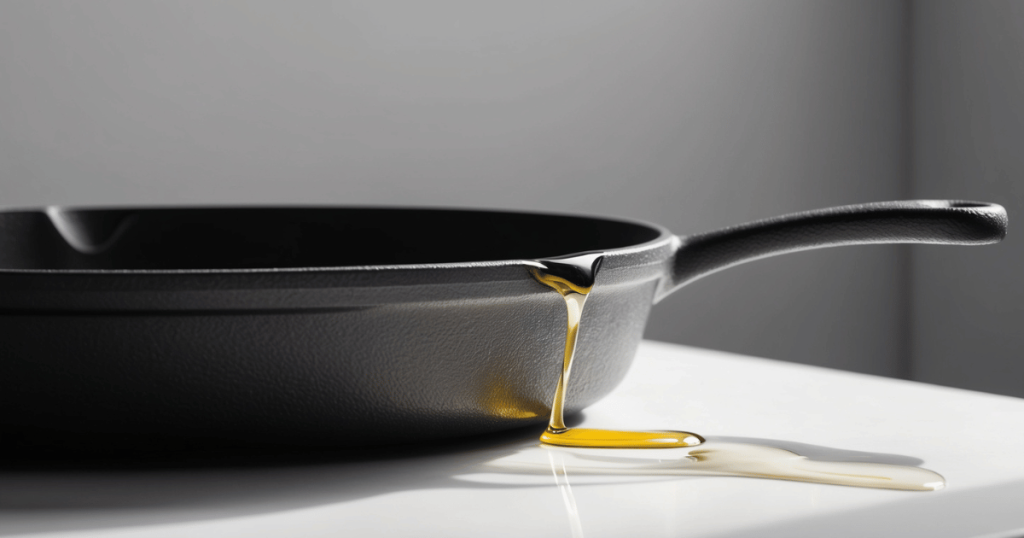
Cast iron and carbon steel have become my go-to choices for most cooking tasks. Initially, I was intimidated by the seasoning process – my first attempt was a disaster that left my cast iron pan looking like a spotted leopard!
But once I got the hang of it, these pans developed a natural non-stick surface that performs beautifully. Plus, they actually add beneficial iron to your food, especially when cooking acidic ingredients.
High-quality stainless steel is another staple in my kitchen. Look for 18/10 grade stainless steel – this indicates 18% chromium and 10% nickel content, offering excellent durability and resistance to leaching. I’ve done numerous acid tests on different grades of stainless steel, and the difference in chemical stability is remarkable.
When it comes to ceramic cookware, not all options are created equal. Through extensive testing, I’ve found that properly tested ceramic cookware from reputable manufacturers can be a safe choice. The key is looking for third-party lab certifications that verify the absence of lead and cadmium.
Glass and enamel-coated cookware have also earned spots in my kitchen. They’re particularly great for acidic foods and slow cooking. I love using my enamel-coated Dutch oven for soups and stews – it provides even heating without any worry about chemical leaching.
How to Safely Transition Away from Toxic Cookware
Making the switch to safer cookware doesn’t have to happen overnight – in fact, I recommend a systematic approach to avoid feeling overwhelmed. Here’s the strategy I used in my own kitchen and have recommended to countless others.
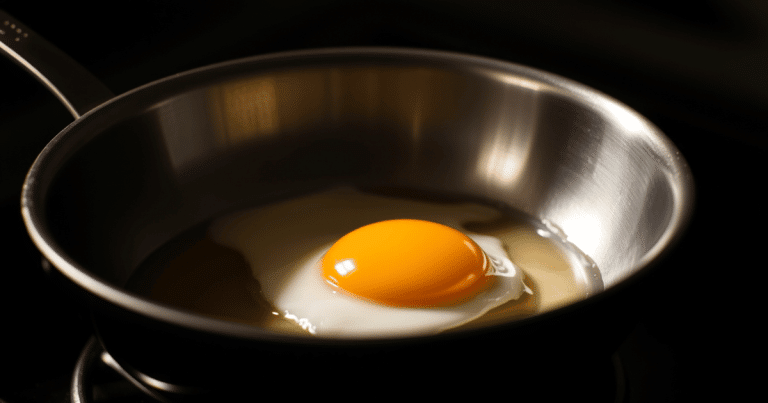
Start by identifying your most frequently used toxic items. In my case, it was a non-stick skillet I used every morning for eggs. I replaced that first with a well-seasoned carbon steel pan. Yes, there was a learning curve (my first few omelets looked more like scrambled eggs!), but within a week, I had mastered the technique.
For budget-friendly upgrading, focus on one piece at a time. I recommend starting with a good quality stainless steel pan – it’s versatile and will last forever if properly cared for. When you calculate cost per use, quality cookware is actually quite economical.
Proper disposal of toxic items is crucial. Don’t just throw them in the trash – many communities have special recycling programs for coated cookware. I learned this after attempting to recycle my old non-stick pans with regular metal recycling (oops!). Check with your local waste management facility for proper disposal guidelines.
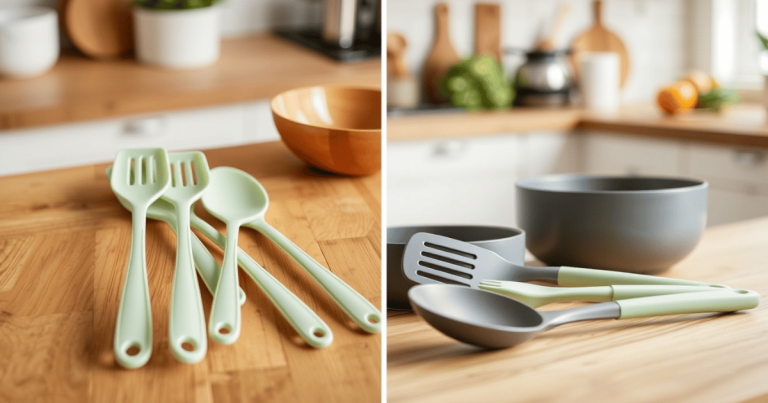
During the transition period, implement essential safety practices with any remaining toxic cookware. Never preheat empty non-stick pans, keep temperatures moderate, and use wooden or silicone utensils to prevent scratching. I keep a food thermometer handy to ensure I’m not exceeding safe temperature limits.
Key Takeaways
Creating a safer kitchen environment is a journey, not a destination. Through my own experience transitioning away from toxic cookware, I’ve learned that small, intentional changes can make a significant impact on our family’s health. Start by assessing your current cookware collection and make a plan to gradually replace concerning items with safer alternatives.
Remember, the goal isn’t perfection but progress. Whether you’re starting with one pan or doing a complete kitchen overhaul, every step toward safer cooking is a step worth taking.
FAQs
Is all non-stick cookware toxic?
Not all non-stick cookware is toxic, but traditional PTFE (Teflon) coatings can release harmful fumes when overheated above 500°F (260°C). Modern ceramic non-stick coatings from reputable manufacturers are generally considered safe when properly certified and tested for heavy metals.
How do I know if my pots and pans are toxic?
You can identify potentially toxic cookware by checking for:
Flaking or chipping non-stick coatings
Strong chemical smells when heating
Discoloration or pitting on the cooking surface
Age (non-stick coatings typically last 2-3 years)
Made with materials like untreated aluminum or unlined copper
Lack of safety certifications for ceramic coatings
What is the safest cookware for your health?
The safest cookware options include:
High-quality stainless steel (18/10 grade)
Well-seasoned cast iron
Carbon steel
Properly tested ceramic cookware
Glass cookware
Enameled cast iron
How long does toxic cookware last?
Traditional non-stick cookware typically lasts 2-3 years before the coating begins to degrade. However, signs of wear or damage mean it should be replaced immediately, regardless of age. High-quality alternatives like stainless steel, cast iron, or carbon steel can last decades when properly maintained.
What happens if you use scratched non-stick pans?
Using scratched non-stick pans can lead to:
Release of toxic particles into your food
Increased chemical leaching
Uneven cooking performance
Further deterioration of the cooking surface
Potential exposure to underlying materials
Are ceramic coated pans safe?
High-quality ceramic coated pans from reputable manufacturers are generally safe when:
They’re certified free of lead and cadmium
The coating remains intact without chips or cracks
They’re used according to manufacturer instructions
They have proper safety certifications
They’re replaced if damaged
Can you repair toxic cookware?
It’s not recommended to repair toxic or damaged cookware, especially non-stick pans. Once the protective coating is compromised, the cookware should be properly disposed of and replaced with safer alternatives.
What chemicals are in toxic cookware?
Common harmful chemicals found in cookware include:
PFOA (Perfluorooctanoic acid)
PFAS (Per- and polyfluoroalkyl substances)
Lead (in some ceramic glazes)
Cadmium (in some ceramic glazes)
Aluminum (when uncoated/untreated)
BPA (in some plastic handles or lids)