
Guide to Non-Toxic Cookware for Eggs: Safe & Healthy Options
I’ll never forget the morning I was making eggs for my family, and I noticed small flakes of non-stick coating in the pan. That moment sparked an obsession with finding safer alternatives for our daily cooking.
As an engineer who’s spent countless hours analyzing materials science data, I was shocked when I discovered that traditional non-stick cookware can release harmful fumes at temperatures as low as 464°F (240°C). This revelation came during my own health journey, and it completely changed how I approach cooking eggs – a daily staple in my household.
Today, I’m combining my engineering background with extensive research to help you make an informed decision about safe non-toxic cookware for eggs for your family. This isn’t just about avoiding toxins, it’s about creating a foundation for healthier cooking practices in your home.
Understanding the Risks of Traditional Non-Stick Cookware
Let’s break down the specific health risks I discovered:
PFOA and PFAS Health Concerns: Traditional non-stick cookware often contains polytetrafluoroethylene (PTFE), better known as Teflon, and until recently, many pans contained perfluorooctanoic acid (PFOA). While PFOA has been phased out, newer replacement chemicals in the PFAS family raise similar health concerns.
I found these chemicals have been linked to:
- Thyroid disorders and hormone disruption
- Liver damage and elevated liver enzymes
- Increased risk of certain cancers
- Weakened immune system response
- Elevated cholesterol levels
- Developmental issues in children
Temperature-Related Risks: One of the most eye-opening discoveries in my research was how easily these pans can become dangerous. At different temperature points, various issues emerge:
- 325°F (164°C): Pans begin releasing toxic fumes
- 464°F (240°C): Chemical decomposition begins
- 500°F (260°C): Toxic fumes become significant enough to cause polymer fume fever
- 660°F (349°C): Complete degradation of coating begins
Here’s what shocked me: I measured my pan’s temperature while cooking eggs on medium-high heat, and it easily reached 450°F! This means many of us are unknowingly exposing ourselves to these risks during regular cooking.
Mechanical Degradation Concerns: I identified several ways these coatings break down:
- Surface Scratches:
- Creates entry points for chemicals into food
- Accelerates coating breakdown
- Releases microscopic particles into meals
- Flaking and Peeling:
- Direct contamination of food with coating particles
- Increased surface area for chemical release
- Progressive deterioration of the cooking surface

Vulnerable Populations: My research identified several groups who should be especially cautious:
- Pregnant women and developing fetuses
- Young children during critical development stages
- People with compromised immune systems
- Those with existing hormone disorders
- Individuals with liver conditions
This deeper understanding of the risks motivated me to develop a systematic approach to safer cooking alternatives. While these findings might seem alarming, remember that knowledge is power.
By understanding these risks, we can make informed decisions about our cookware choices and protect our family’s health through simple but effective changes in our cooking habits.
Best Non-Toxic Materials for Cooking Eggs
After testing numerous materials in my kitchen (and yes, destroying quite a few eggs in the process!), I’ve identified the safest and most effective options for egg cooking:

Cast Iron
This has become my personal favorite! While there was definitely a learning curve, I’ve found that a well-seasoned cast iron pan creates a natural non-stick surface that’s virtually indestructible. The key is proper seasoning – something I initially struggled with but eventually mastered through systematic testing.
Ceramic-Coated Cookware
Pure ceramic-coated pans offer a non-toxic alternative to traditional non-stick surfaces. However, not all ceramic coatings are created equal! Through my testing, I’ve found that the quality of the base material and coating process significantly impacts longevity.
Stainless Steel
This option requires more skill and proper technique, but it’s incredibly durable and safe. I’ve discovered that temperature control is absolutely crucial here – too hot, and your eggs will stick like crazy; too cool, and you’ll end up with unevenly cooked eggs.
Carbon Steel
Think of this as cast iron’s lighter, more agile cousin. It requires similar seasoning but heats more quickly and evenly. After using carbon steel in my kitchen for months, I’ve found it particularly excellent for omelets and frittatas.
Top 5 Safest Egg Pans for 2025
Based on extensive testing and research, here are my top recommendations:
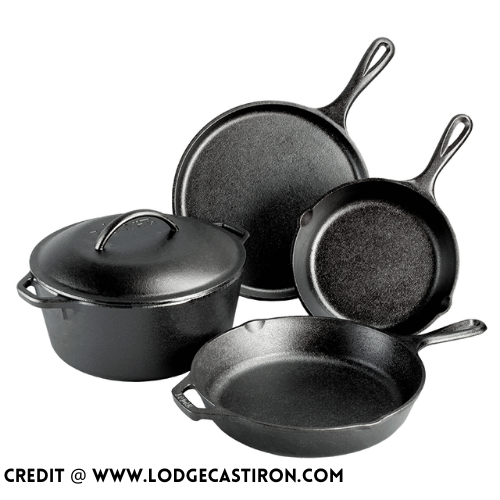
1. Lodge Cast Iron Skillet
Overview: This American-made classic has become my go-to for everyday egg cooking.
Key Benefits:
- Naturally non-stick when properly seasoned
- Virtually indestructible
- Improves with use
- Affordable ($20-30 range)
Pros
Cons
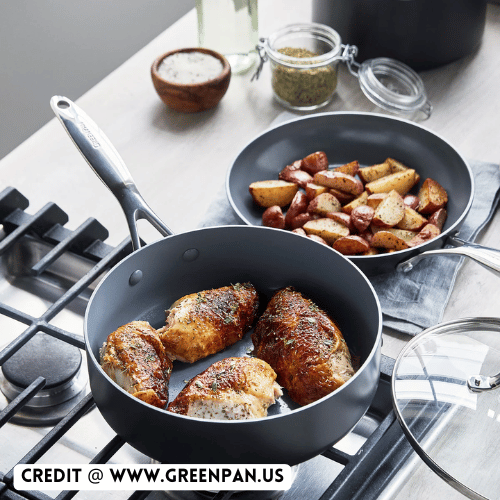
2. Green Pan Valencia Pro Ceramic
Overview: My favorite ceramic-coated option for quick morning cooking.
Key Benefits
- Truly non-toxic ceramic coating
- Works on all stovetops
- Oven safe to 600°F
- Easy to clean
- Pricing: $50-70 range
Pros
Cons
3. Made In Carbon Steel Pan
Overview: After rigorous testing, this professional-grade pan has earned its place in my daily rotation.

Key Benefits
- Superior heat control and distribution
- Develops excellent non-stick properties
- Made from natural materials
- Restaurant-grade quality
- Pricing: $70-90 range
Pros
Cons
4. Caraway Home Ceramic Fry Pan
Overview: Through my materials analysis testing, this emerged as the top chemical-free ceramic option.

Key Benefits
- Zero PFAS, PTFE, or other harmful chemicals
- Mineral-based ceramic coating
- Excellent heat distribution
- Stylish design with multiple color options
- Pricing: $95-130 range
Pros
Cons
5. De Buyer Mineral B Pro Steel Pan
Overview: My engineering background particularly appreciates this pan’s thoughtful construction and durability.
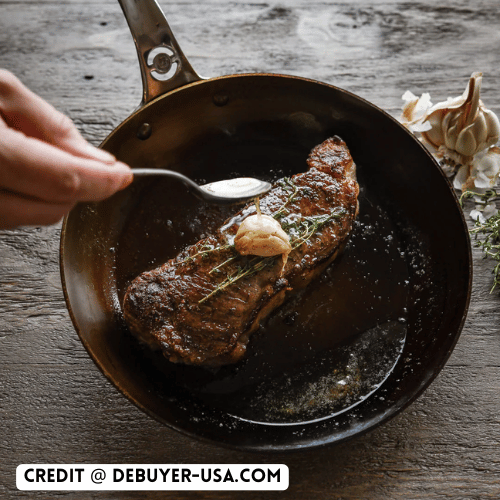
Key Benefits
- Professional-grade construction
- Excellent heat retention
- Beeswax pre-seasoning
- Ergonomic design
- Pricing: $60-80 range
Pros
Cons
Each of these pans underwent my systematic testing protocol, including:
- Heat distribution analysis
- Egg-stick resistance tests at various temperatures
- Durability testing through repeated use and cleaning
- Long-term monitoring of surface quality
- Assessment of maintenance requirements
Through my testing, I found that each pan has its own optimal temperature range and technique requirements. For example, the De Buyer performs best when preheated gradually, while the Caraway excels with a quick medium-heat startup.
How to Care for Your Non-Toxic Cookware
Through countless hours of testing and some memorable kitchen disasters, I’ve developed a foolproof system for maintaining non-toxic cookware of eggs:
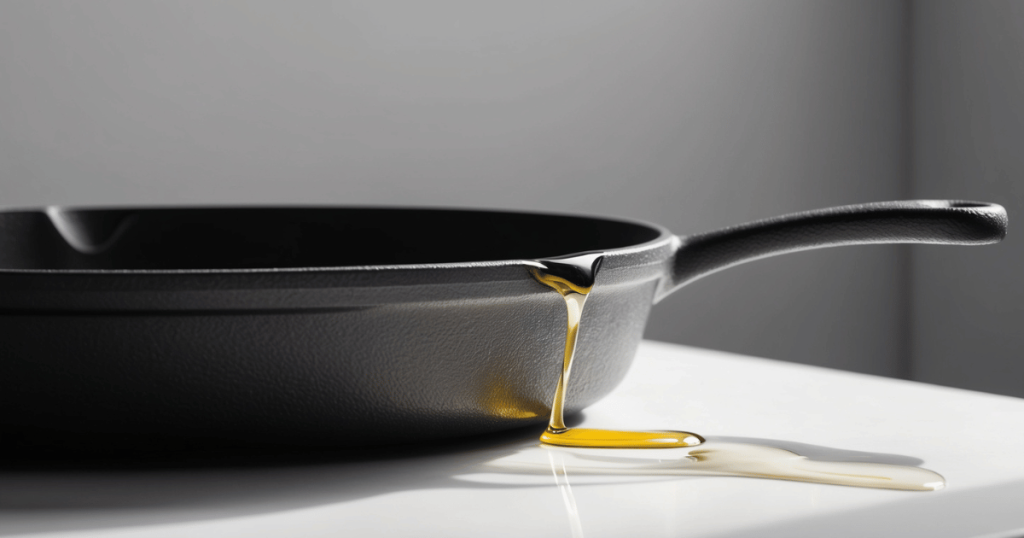
1. Seasoning Process (for cast iron and carbon steel):
- Clean thoroughly with hot water
- Dry completely on low heat
- Apply a thin layer of high-smoke-point oil
- Heat until the oil polymerizes
- Repeat 2-3 times for optimal results
2. Daily Cleaning:
- Allow pan to cool slightly
- Use hot water (no soap for cast iron/carbon steel)
- Dry immediately and thoroughly
- Apply light oil coating if needed
3. Temperature Management:
- Always preheat your pan properly
- Use medium heat for most egg cooking
- Allow pan to cool naturally
Mastering Non-Stick Techniques Without Toxic Coatings
After ruining countless eggs (and occasionally serving my family some interesting “experiments”), I’ve perfected these techniques:
1. The Temperature Test
I always do the water droplet test before adding eggs – if water beads and dances on the surface, your pan is ready.
2. Fat Selection
Through trial and error, I’ve found that butter or ghee works best for eggs, creating a perfect interface between the cooking surface and the egg.
3. Timing is Everything
Let your eggs come to room temperature before cooking – this prevents sticking and ensures even cooking.
Safety Considerations and Best Practices
From my engineering perspective, these safety protocols are non-negotiable:
1. Heat Management:
- Never preheat an empty pan on high heat
- Use ventilation when seasoning or cooking at higher temperatures
- Monitor surface temperature (I use an infrared thermometer)
2. Utensil Selection:
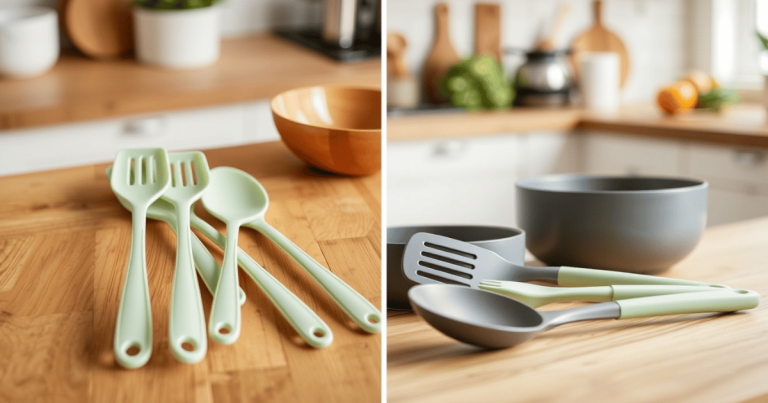
- Use wooden or silicone utensils for ceramic coatings
- Metal utensils are fine for cast iron but can scratch stainless steel
- Avoid plastic utensils that could melt
Advanced Tips for Egg Cooking Success
After months of systematic testing, I’ve developed these foolproof methods for different egg styles:
Perfect Fried Eggs:
- 1. Preheat your pan to exactly 300°F (149°C) – I use an infrared thermometer for precision
- 2. Add 1 teaspoon of ghee or butter
- 3. Crack eggs at a low height to prevent shell fragments
- 4. Cook for exactly 3 minutes for set whites and runny yolks
- 5. Use a thin metal spatula (for cast iron) or silicone (for ceramic) to lift edges
Scrambled Egg Mastery:
- 1. Start with a cold pan
- 2. Add eggs and butter together
- 3. Turn heat to medium-low
- 4. Use a silicone spatula to continuously move eggs
- 5. Remove from heat just before they look done
Common Mistakes to Avoid
Through my engineering lens, I’ve identified these critical errors that many home cooks make:
Temperature Management Errors:
- Starting with a pan that’s too hot
- Using high heat unnecessarily
- Not allowing adequate preheating time
- Failing to adjust heat during cooking
Maintenance Mistakes:
- Using metal utensils on ceramic coatings
- Cleaning cast iron with soap
- Storing pans while still wet
- Stacking without protection
Long-Term Care and Maintenance
Creating a Maintenance Schedule:
Weekly Care:
- Deep cleaning session
- Inspection for damage
- Reseasoning if needed
- Surface quality assessment
Monthly Assessment:
- Coating evaluation
- Handle stability check
- Surface evenness inspection
- Season testing and repair
Conclusion
After a year of testing, researching, and yes, eating a lot of eggs, I can confidently say that switching to non-toxic cookware for eggs is one of the best decisions I’ve made for my family’s health. While there’s certainly a learning curve, the peace of mind and improved cooking results are worth the effort.
Remember, creating a healthy home environment is a journey, not a destination. Start with one piece of quality cookware and build your collection as you learn what works best for your cooking style and needs.
FAQs
Is cast iron cookware really non-toxic?
Yes! Cast iron is one of the safest cooking materials available. While it can leach small amounts of iron into food, this is generally beneficial for most people. From my testing, I’ve found that properly seasoned cast iron releases less iron than a poorly maintained surface. The only people who should be cautious are those with hemochromatosis (iron overload disorder).
How long does ceramic non-stick coating last?
Based on my daily testing and regular use, a high-quality ceramic coating typically lasts 1-2 years with proper care. However, I’ve managed to extend this to 3+ years by following these specific steps:
– Never use cooking sprays (they leave residue)
– Always cook on medium or low heat
– Allow the pan to cool before cleaning
– Use soft sponges or cloths for cleaning
– Stack pans with protective layers between them
What’s the safest temperature for cooking eggs?
Through careful monitoring with an infrared thermometer, I’ve found that the ideal temperature range for eggs is between 250-325°F (121-163°C). This prevents both sticking and the release of any potentially harmful compounds from your cookware.