Natural House Cleaning for Beginners: Non-Toxic Methods Guide
Many common household cleaning products contain hazardous chemicals, including respiratory irritants, endocrine disruptors, and potential carcinogens. Research suggests that homes may contain dozens of these chemicals across various cleaning supplies, contributing to indoor air pollution and health risks.
I remember standing in my kitchen one day, reading the warning labels on my cleaning supplies and feeling increasingly uneasy. Words like “toxic if inhaled” and “corrosive” jumped out at me, and I couldn’t help but wonder: if these products are so dangerous, why are we using them in our homes?
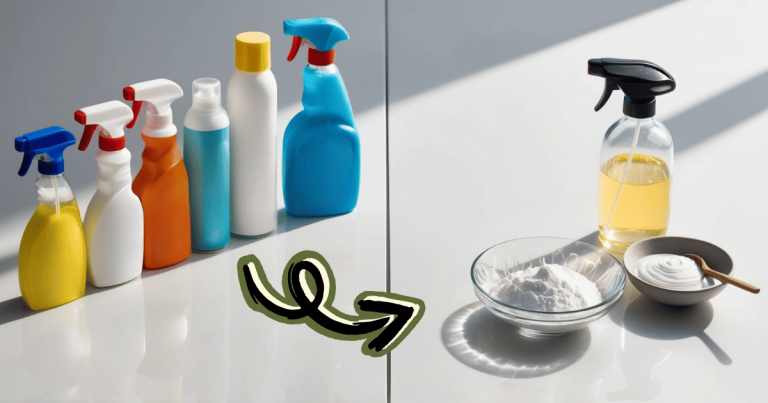
When I first explored natural house cleaning methods, I was skeptical – could simple ingredients really match the power of commercial cleaners? Spoiler alert: they absolutely can!
In this guide, I’ll share everything I’ve learned about effective natural house cleaning – from the basic ingredients you’ll need to the specific techniques that really work. Whether you’re concerned about your family’s health, want to reduce your environmental impact, or are just tired of harsh chemical smells, this guide will help you make the switch to natural cleaning methods that actually work.
Getting Started with Natural House Cleaning
Let me tell you about my first attempt at natural cleaning – it was a bit of a disaster! I enthusiastically mixed vinegar and baking soda in a closed container (spoiler: don’t do this!), and let’s just say my kitchen ceiling got an unexpected cleaning that day. Through trial and error, I’ve learned exactly what you need to start your natural cleaning journey safely and effectively.
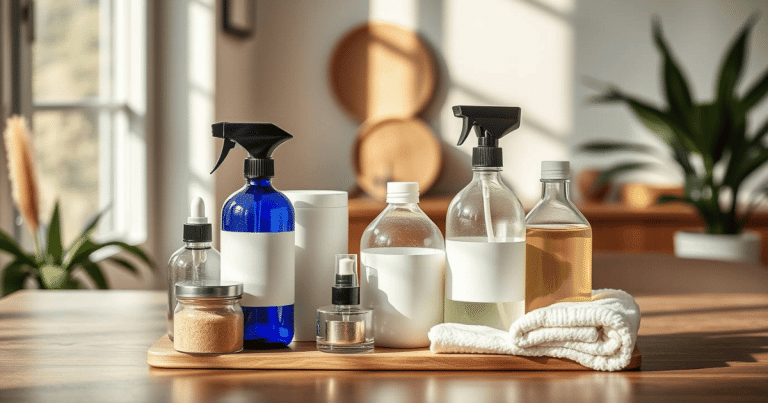
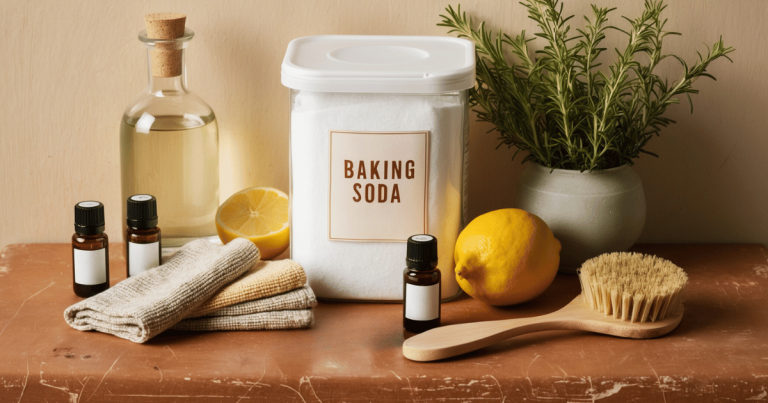
First things first, let’s talk about your natural cleaning toolkit. You might be surprised to learn that you probably already have many of these items in your pantry! Here’s what I consider essential:
Basic Equipment:
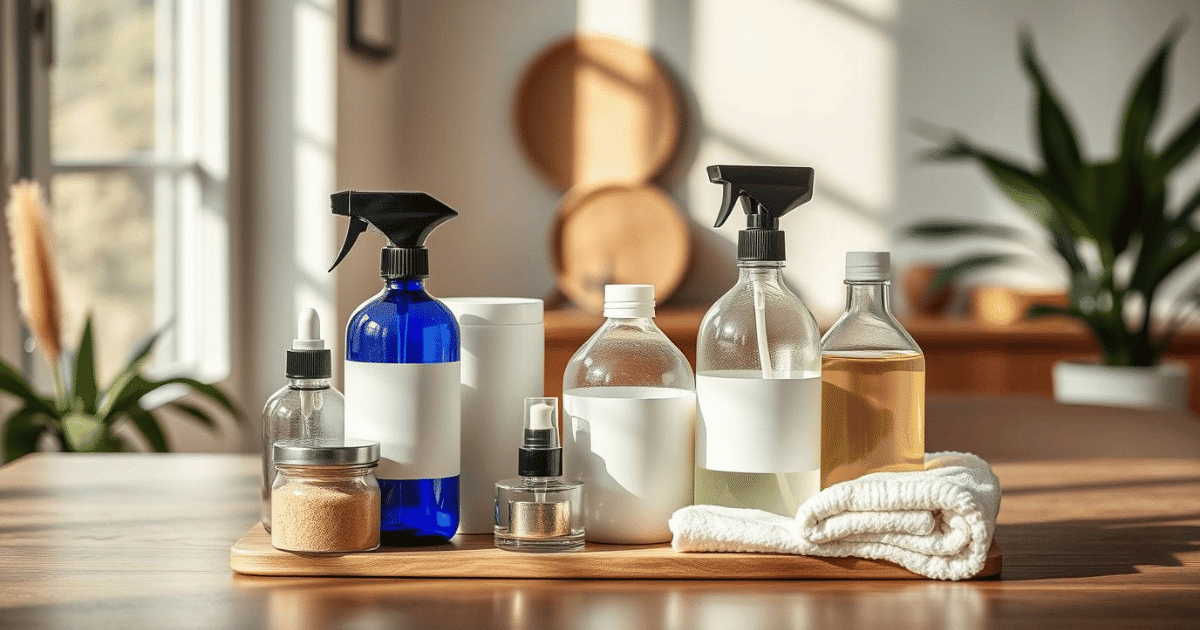
- Spray bottles (I prefer glass ones to avoid plastic leaching)
- Microfiber cloths (these are game-changers for cleaning without chemicals)
- Natural bristle brushes (much more durable than synthetic ones)
- Glass jars for mixing and storing solutions
- Measuring cups and spoons (accuracy matters in natural cleaning!)
Core Ingredients:
The beauty of natural cleaning is its simplicity. I’ve found that you really only need a few key ingredients to handle most cleaning tasks:
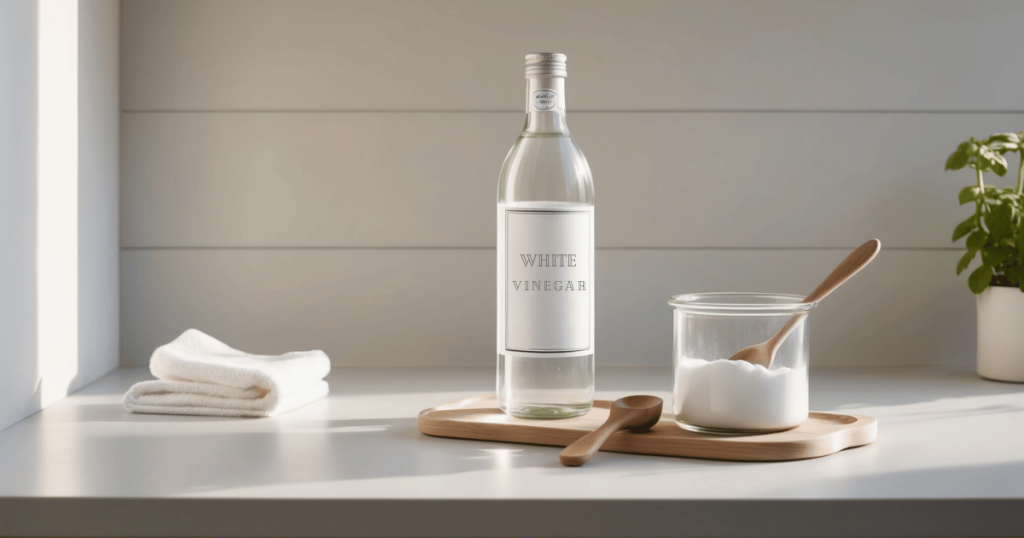
White vinegar has become my go-to cleaner for so many tasks. The acetic acid in vinegar is fantastic at cutting through grease and mineral deposits. I use it on everything from windows to shower doors, and yes, the smell does dissipate quickly!
Pro tip: infuse your vinegar with citrus peels for two weeks before using it – it creates a more pleasant scent and adds extra cleaning power.
Baking soda is literally magical. I discovered its true power when dealing with a particularly stubborn bathtub ring. Make a paste with a little water, let it sit for 10 minutes, and watch years of buildup wipe away effortlessly. It’s also amazing for deodorizing – I keep an open box in my fridge and sprinkle it on carpets before vacuuming.
Castile soap is the unsung hero of natural cleaning. I was initially skeptical about paying $15 for soap, but one bottle lasts months and replaces multiple cleaning products. My favorite trick is adding a few drops to a spray bottle of water for a gentle all-purpose cleaner that’s safe enough for wood furniture but effective enough for kitchen counters.
Setting Up Your Cleaning Station:
Organization is key to making natural cleaning convenient. I learned this the hard way after constantly running back and forth to my kitchen for supplies. Now, I maintain cleaning kits on each floor of my house, each containing:
- Pre-mixed cleaning solutions in labeled spray bottles
- Dry ingredients for quick mixing
- Clean cloths and brushes
- A reference card with my most-used recipes and ratios
Safety Considerations:
One crucial lesson I’ve learned is that “natural” doesn’t automatically mean “safe to mix.” For example, vinegar and castile soap should never be combined (it creates a gunky mess), and some essential oils don’t play well together. I always recommend:
- Keeping ingredients separate until ready to use
- Labeling all spray bottles with contents and date mixed
- Testing new solutions on a small area first
- Storing cleaning supplies out of reach of children and pets
- Using proper ventilation, even with natural products
Essential Natural Cleaning Ingredients Explained
When I first started exploring natural cleaning, I felt overwhelmed by all the different ingredients people recommended. Through years of experimentation (and yes, some memorable failures!), I’ve narrowed down which natural ingredients actually work and, more importantly, how to use them correctly.
The Magic of Vinegar:
White vinegar became my MVP when I discovered its true cleaning potential. The secret lies in its 5% acetic acid content, which is strong enough to dissolve mineral deposits and cut through grease, but gentle enough for most surfaces. Here’s what I’ve learned:
Best Uses for Vinegar:
- Descaling kettles and coffee makers (run a 1:1 vinegar-water solution through the cycle)
- Cleaning windows and mirrors (mix with equal parts water for streak-free shine)
- Removing hard water stains from faucets (soak a cloth and wrap around the fixture)
- Freshening laundry (add 1/2 cup to the rinse cycle)
Important Caution: Never use vinegar on natural stone, unsealed grout, or hardwood floors. I learned this the hard way when I damaged my marble countertop sample! The acid can etch these surfaces and cause permanent damage.
Baking Soda’s Superpowers:
I call baking soda my “gentle giant” because it’s incredibly effective yet non-abrasive. The science behind it is fascinating – its slightly alkaline nature helps it dissolve dirt and grease, while its fine crystalline structure provides just enough scrubbing power.
My Favorite Baking Soda Applications:
- Deodorizing trash cans (sprinkle generously in the bottom)
- Cleaning ovens (make a paste with water, let sit overnight)
- Freshening drains (follow with vinegar, but never store them premixed!)
- Removing coffee and tea stains from mugs (damp sponge + baking soda = magic)
Castile Soap Deep Dive:
This versatile soap has revolutionized my cleaning routine. Made from olive and other plant oils, it’s biodegradable and incredibly effective. One bottle seems expensive at first, but it’s super concentrated – I typically dilute it 1:10 with water for cleaning.
Best Ways to Use Castile Soap:
- General surface cleaning (2 tablespoons per quart of water)
- Mopping floors (¼ cup per bucket of water)
- Hand-washing delicates (a few drops in a sink of water)
- Fruit and vegetable wash (2 drops per cup of water)
Essential Oils: More Than Just Nice Smells:
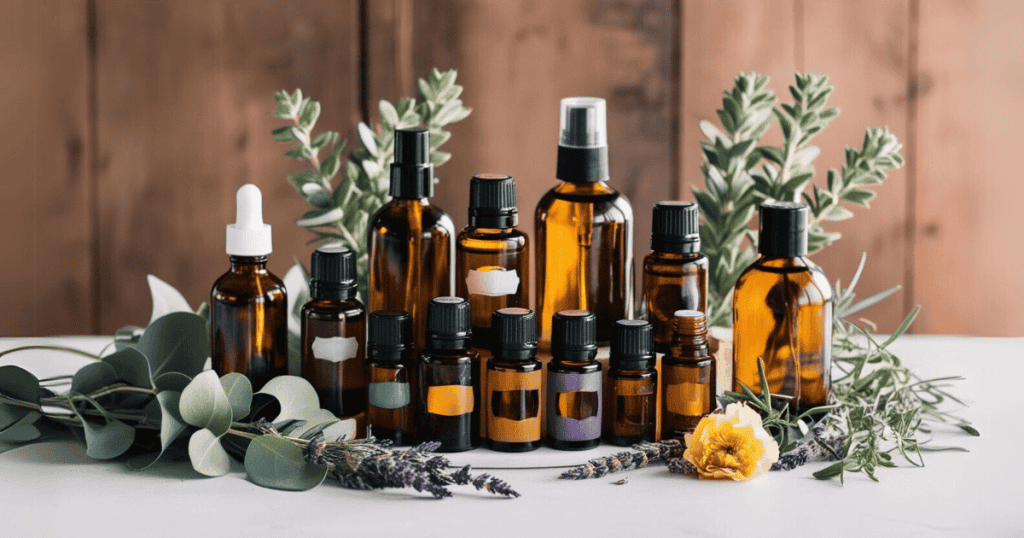
While some people think essential oils are just for fragrance, many have legitimate antimicrobial properties. Tea tree oil, for instance, has been shown in studies to combat mold and mildew. Here are my tried-and-true combinations:
Favorite Essential Oil Blends:
- All-purpose cleaner: lavender + lemon (antibacterial and uplifting)
- Bathroom spray: tea tree + eucalyptus (great for mold prevention)
- Kitchen degreaser: orange + peppermint (cuts through grease amazingly)
- Air freshener: rosemary + lime (energizing and clean-smelling)
The Power of Lemon:
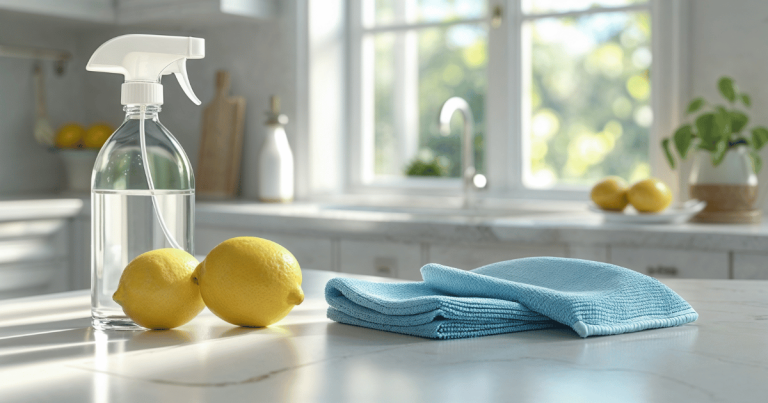
Fresh lemon juice has become my secret weapon for certain cleaning tasks. The citric acid acts as a natural bleaching agent and disinfectant. Plus, the leftover peels can be infused in vinegar for an enhanced cleaner!
Best Lemon Applications:
- Removing rust stains (sprinkle salt on a lemon half and scrub)
- Brightening cutting boards (same method as rust removal)
- Deodorizing garbage disposals (run lemon peels through)
- Cleaning microwave (heat lemon water for 3 minutes, wipe clean)
Advanced Ingredient Combinations:
Through lots of trial and error, I’ve discovered some powerful combinations. Here’s my ultimate grout cleaner: mix baking soda with just enough hydrogen peroxide to make a paste, add a drop of tea tree oil, and watch the magic happen. But remember – always test in an inconspicuous area first!
Room-by-Room Natural Cleaning Guide
Let me share my systematic approach to natural cleaning throughout the house. When I first started, I made the mistake of using the same cleaning solution everywhere – not ideal! Each room has its own unique cleaning challenges, and I’ve developed specific strategies for each space.
Kitchen Cleaning Protocols:
The kitchen requires special attention because it’s where we prepare food. I’ve developed a system that keeps surfaces clean and safe without harsh chemicals. Here’s my daily routine:
Countertops and Surfaces:
I mix 2 tablespoons of castile soap with a quart of warm water and add 10 drops of lemon essential oil. This combination cuts through grease while being food-safe. For tough spots, I sprinkle baking soda first, then spray with the solution. The reaction helps lift stuck-on food effortlessly!
Sink Care:
Here’s a trick that transformed my sink maintenance: after doing dishes, I sprinkle baking soda around the sink, then spray with diluted vinegar. The fizzing action helps remove coffee stains and food particles. Follow with a quick wipe of castile soap solution, and your sink will sparkle!
Appliance Cleaning:
- Refrigerator: I mix equal parts water and vinegar with a few drops of grapefruit essential oil. It cuts through sticky spills and eliminates odors.
- Microwave: Place a bowl of water with lemon slices and heat for 3 minutes. The steam loosens food particles, making them easy to wipe away.
- Oven: My game-changing paste combines baking soda, water, and a few drops of orange essential oil. Apply, leave overnight, and wipe clean in the morning.
Bathroom Natural Solutions:
The bathroom used to be my biggest challenge for natural cleaning. How could natural products tackle soap scum and hard water stains? Well, I’ve cracked the code!
Shower and Tub:
My ultimate shower spray combines:
- 1 cup vinegar
- 1 cup water
- 1/4 cup castile soap (added after mixing the water and vinegar)
- 15 drops tea tree oil
- 10 drops eucalyptus oil
This solution prevents mold and mildew while cutting through soap scum. Pro tip: Keep a squeegee in the shower and use it after each shower to prevent buildup.
Toilet Cleaning:
I sprinkle baking soda around the bowl, then spray with diluted vinegar. Let it sit for 10 minutes, scrub, and flush. For extra cleaning power, add a few drops of tea tree oil to the baking soda first.
Living Room and Bedroom Methods:
These rooms require gentler cleaning approaches to protect furniture and fabrics.
Dust Prevention:
I infuse vinegar with lemon peels for two weeks, then mix with equal parts water. This solution in a spray bottle works great for dusting and leaves a fresh scent. For wood furniture, I add a few drops of olive oil to the mix for extra protection.
Fabric Care:
For upholstery and carpets, I make a natural deodorizing powder:
- 1 cup baking soda
- 20 drops lavender essential oil
- 10 drops tea tree oil
Mix well, sprinkle on fabrics, let sit for 30 minutes, then vacuum.
Windows and Glass:
This is where I see the biggest difference compared to commercial cleaners. My streak-free solution:
- 1 cup white vinegar
- 1 cup distilled water (tap water can leave mineral spots)
- 1/2 teaspoon castile soap
- 10 drops peppermint essential oil
Floor Cleaning for Different Materials:
Hardwood:
- 1/4 cup castile soap
- 2 cups vinegar
- 1 gallon warm water
- 15 drops lemon essential oil
Always test in an inconspicuous area first!
Tile:
- 1 cup vinegar
- 1 gallon hot water
- 3 drops tea tree oil
- 3 drops orange oil
Carpet:
For spot cleaning, I use this effective solution:
- 1/4 cup castile soap
- 1/4 cup vinegar
- 2 cups warm water
- 10 drops lavender essential oil (great for deodorizing)
Remember to always work from the cleanest areas to the dirtiest, and change your cleaning solution when it gets dirty. This prevents spreading dirt around instead of removing it.
DIY Natural Cleaning Solutions
After countless experiments in my kitchen (some more successful than others!), I’ve developed a collection of reliable natural cleaning solutions. These recipes have become my go-to formulas, saving me money and keeping my home free from harsh chemicals.
All-Purpose Cleaner Recipe:
This is my daily workhorse cleaner that I use on most surfaces:
- 2 cups distilled water
- 1/2 cup white vinegar
- 1/4 cup unscented castile soap
- 15 drops tea tree essential oil
- 10 drops lemon essential oil
Combine ingredients in a glass spray bottle, gently swirl to mix (don’t shake vigorously – it’ll create too many suds). This solution costs about $1 to make and lasts for weeks!
Natural Disinfectant Spray:
When I need extra germ-fighting power, this is my go-to recipe:
- 1 cup 3% hydrogen peroxide
- 1 cup water
- 1/4 cup lemon juice
- 20 drops tea tree oil
- 10 drops thyme oil
Store in a dark glass bottle (hydrogen peroxide breaks down in light). I use this in the kitchen and bathroom, especially during cold and flu season.
Glass and Mirror Cleaner:
After trying countless combinations, this recipe gives me streak-free results every time:
- 1.5 cups distilled water (tap water can leave mineral spots!)
- 1.5 cups white vinegar
- 1/2 teaspoon castile soap
- 8 drops peppermint essential oil
The real secret? Use newspaper or microfiber cloths instead of paper towels. Trust me, it makes a huge difference!
Heavy-Duty Scrub:
For tough jobs like baked-on grime or soap scum, this paste works wonders:
- 1 cup baking soda
- 1/4 cup castile soap
- 1 tablespoon hydrogen peroxide
- 10 drops lemon essential oil
Mix into a paste, apply to surface, let sit for 10-15 minutes, then scrub. I once used this on a decades-old baking sheet – it looked almost new afterward!
Natural Air Fresheners:
Instead of artificial sprays, I create these natural alternatives:
Citrus-Herb Room Spray:
- 1 cup distilled water
- 2 tablespoons witch hazel
- 10 drops orange essential oil
- 8 drops rosemary essential oil
- 5 drops lavender essential oil
Stovetop Simmer Pot:
- 3 cups water
- 1 lemon, sliced
- 2 cinnamon sticks
- 2 sprigs rosemary
- 1 vanilla bean (optional)
Simmer on low heat, adding water as needed. This makes your house smell amazing naturally!
Important Safety Tips for DIY Solutions:
Through my experiments, I’ve learned some crucial lessons:
Never mix vinegar with:
- Bleach (creates toxic chlorine gas)
- Hydrogen peroxide (creates corrosive peracetic acid)
- Baking soda (unless you plan to use immediately)
Essential Oil Safety:
- Always dilute properly
- Store away from children and pets
- Check for allergies with a patch test
- Use pure, high-quality oils
Storage Guidelines:
- Label everything with ingredients and date made
- Use dark glass bottles for solutions with essential oils
- Make small batches – most solutions last 2-3 weeks
- Keep cleaning supplies away from food items
Tackling Tough Cleaning Challenges Naturally
Let me share some of my hard-won solutions for those seemingly impossible cleaning challenges. When I first switched to natural cleaning, these were the problems that almost sent me running back to harsh chemicals. But with persistence (and a lot of trial and error!), I found natural solutions that actually work better than their chemical counterparts.
Removing Stubborn Stains:
Different stains require different approaches. Here’s what I’ve found works best:
Red Wine Stains:
My heart stopped when a guest spilled red wine on my cream carpet! Here’s the solution that saved the day:
- Cover with salt immediately to absorb liquid
- Mix 1 part vinegar with 2 parts water
- Add 1 tablespoon of castile soap
- Blot (never rub!) with the solution
- Follow with a clean, damp cloth
Grease Stains:
For those stubborn kitchen grease spots:
- Sprinkle with baking soda
- Spray with undiluted vinegar
- Let fizz for 5-10 minutes
- Scrub gently with a soft brush
- Wipe clean with warm water
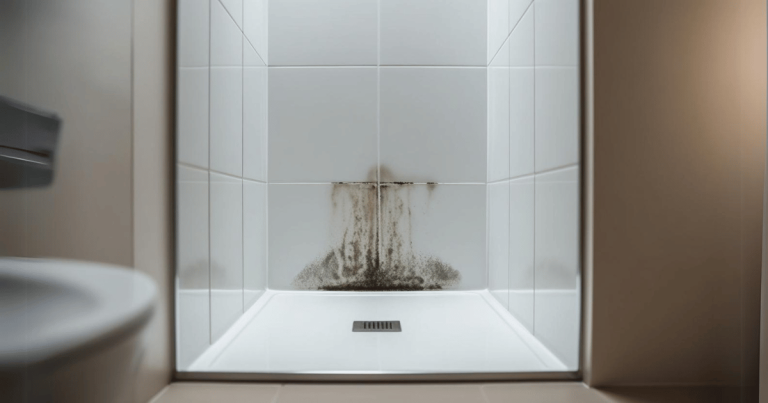
Dealing with Mold and Mildew:
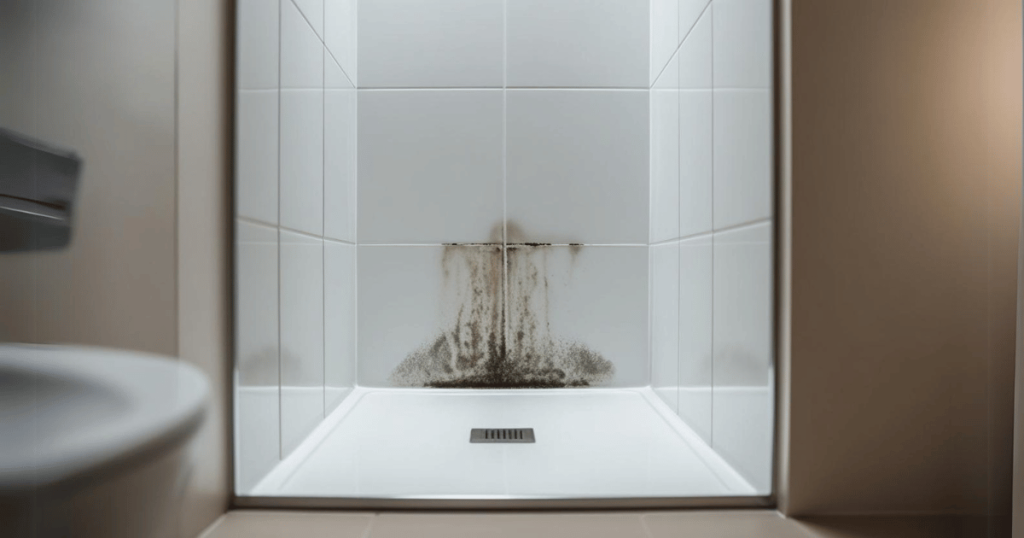
This was my biggest challenge in our humid bathroom. Here’s my proven method:
- 2 cups water
- 1/2 cup hydrogen peroxide
- 20 drops tea tree oil
- 20 drops eucalyptus oil
Spray on susceptible areas after showering. For existing mold:
- Make a paste with baking soda and water
- Apply to affected area
- Spray with vinegar
- Let sit for 1 hour
- Scrub and rinse
Natural Pest Deterrent Methods:
When I discovered ants in my kitchen, I developed these natural solutions:
Ant Deterrent Spray:
- 2 cups water
- 20 drops peppermint essential oil
- 20 drops citrus essential oil
Spray along entry points – ants hate these scents!
For Other Pests:
- Spiders: Place cedar blocks in corners
- Moths: Hang dried lavender sachets
- Mice: Cotton balls soaked with peppermint oil near entry points
Eliminating Odors Without Chemicals:
Rather than mask odors, I’ve learned to neutralize them naturally:
For Carpets and Upholstery:
- Mix 2 cups baking soda with 20 drops of your favorite essential oil
- Sprinkle liberally
- Let sit overnight
- Vacuum thoroughly
For Tough Kitchen Odors:
Simmer this mixture for 15 minutes:
- 4 cups water
- 1 lemon, sliced
- 2 tablespoons vanilla extract
- 2 sprigs fresh rosemary
Hard Water Deposits and Mineral Buildup:
This was a huge problem in our old house with well water. Here’s my solution:
For Faucets and Showerheads:
- Fill a plastic bag with white vinegar
- Secure around fixture with rubber band
- Leave overnight
- Scrub with old toothbrush
- Rinse thoroughly
For Scale Buildup in Pipes:
Monthly maintenance solution:
- Pour 1 cup baking soda down drain
- Follow with 1 cup vinegar
- Let fizz for 10 minutes
- Flush with boiling water
Extra Tough Cleaning Challenges:
Rusty Metal:
Create a paste with:
- 2 tablespoons baking soda
- 1 tablespoon lemon juice
- 1 teaspoon salt
Apply, let sit for an hour, scrub off.
Crayon on Walls:
I discovered this by accident – mayonnaise! The oils break down the wax. Apply, let sit for 5 minutes, wipe clean.
Old Grout:
My ultimate grout-cleaning paste:
- 1/2 cup baking soda
- 1/4 cup hydrogen peroxide
- 1 teaspoon castile soap
Apply with old toothbrush, let sit 10 minutes, scrub, rinse.
Remember: Always test these solutions in an inconspicuous area first, and never mix cleaning products – even natural ones – unless you’re sure it’s safe. Some natural ingredients can react with each other just like chemical cleaners can.
Establishing a Natural Cleaning Routine
When I first switched to natural cleaning, I felt overwhelmed trying to keep track of what needed cleaning when. Over time, I developed a simple system that keeps our home consistently clean without feeling like I’m constantly cleaning. Here’s how I break it down:
Daily Cleaning Habits:
I call these my “10-minute tasks” because they’re quick but make a huge difference:
Morning Routine:
- Wipe bathroom surfaces with vinegar spray after showering
- Make beds (air them first for 15 minutes!)
- Quick counter wipe in kitchen after breakfast
- 2-minute floor spot clean with damp microfiber mop
Evening Routine:
- Wipe kitchen counters with all-purpose cleaner
- Quick sink scrub with baking soda
- 5-minute pickup of clutter
- Spray shower with daily solution to prevent buildup
Weekly Cleaning Schedule:
I assign different areas to different days, spending about 30 minutes per task:
Monday – Bathrooms:
- Deep clean toilet with baking soda and vinegar
- Scrub tub/shower
- Clean mirrors and faucets
- Mop floors with castile soap solution
Tuesday – Kitchen:
- Clean inside microwave
- Wipe down appliances
- Sanitize cutting boards with lemon
- Deep clean sink with baking soda paste
Wednesday – Dusting:
- All surfaces with vinegar-water solution
- Window sills and blinds
- Picture frames and decor
- Ceiling fans (using pillowcase trick!)
Thursday – Floors:
- Vacuum all carpets
- Sweep/mop hard floors
- Spot clean any stains
- Clean doormats
Friday – Living Areas:
- Vacuum upholstery
- Clean windows and mirrors
- Dust electronics
- Deodorize carpets with baking soda
Monthly Deep Cleaning Tasks:
I dedicate one weekend morning per month to these bigger jobs:
First Weekend:
- Clean oven naturally
- Descale coffee maker and kettle
- Wash windows inside and out
- Clean light fixtures
Second Weekend:
- Deep clean furniture
- Rotate and clean mattresses
- Clean baseboards
- Wash curtains/drapes
Third Weekend:
- Clean behind/under furniture
- Deep clean grout
- Clean door frames and doors
- Wash pillows and duvets
Fourth Weekend:
- Clean outdoor spaces
- Organize cleaning supplies
- Deep clean trash cans
- Check and clean vents
Seasonal Cleaning Projects:
I adjust my cleaning routine with the seasons:
Spring:
- Deep clean carpets
- Clean outdoor furniture
- Wash windows and screens
- Clean patio/deck
Summer:
- Clean outdoor grill
- Wash outdoor cushions
- Clean air conditioning vents
- Deep clean garage
Fall:
- Clean gutters
- Wash winter blankets
- Clean chimney if needed
- Organize storage spaces
Winter:
- Deep clean oven before holidays
- Clean light fixtures
- Steam clean upholstery
- Clean behind appliances
Maintenance Tips for Long-term Success:
Make Cleaning Solutions in Advance:
- Pre-mix cleaners on Sunday for the week
- Label everything clearly
- Store in appropriate containers
- Keep ingredients stocked
Set Up Cleaning Stations:
- One caddy per floor
- Essential supplies in each bathroom
- Kitchen cleaning kit under sink
- Car cleaning kit in garage
Preventive Measures:
- Use doormats at all entrances
- Implement a “shoes off” policy
- Wipe spills immediately
- Keep microfiber cloths handy
Family Involvement:
- Assign age-appropriate tasks
- Create simple checklists
- Make it fun with music
- Reward system for consistency
Benefits of Natural House Cleaning
When I first started using natural cleaning methods, I expected some benefits – but I was genuinely surprised by how many positive changes I noticed. Let me share what I’ve discovered through my journey of ditching conventional cleaners.
Health Advantages for Family and Pets:
The most dramatic change I noticed was the improvement in our indoor air quality. Within weeks of switching to natural cleaners, my husband’s persistent “winter cough” disappeared. Here’s what I’ve observed:
Respiratory Benefits:
- No more mysterious coughing fits while cleaning
- Reduced allergy symptoms (especially in our cat!)
- Better sleep without chemical fumes lingering
- Fewer headaches during deep cleaning sessions
Skin Benefits:
- No more dry, cracked hands after cleaning
- Kids’ eczema flare-ups decreased
- Reduced skin irritation from laundry
- No more “mystery rashes” from cleaning
Environmental Impact Reduction:
The environmental benefits became clear when I noticed our trash output drastically reduced:
Waste Reduction:
- Fewer plastic bottles (I reuse glass spray bottles)
- No more toxic chemicals down our drains
- Reduced packaging waste
- Biodegradable cleaning ingredients
Carbon Footprint:
- Less transportation impact (buying fewer products)
- Reduced chemical manufacturing dependency
- Lower energy use in production
- Minimal processing of natural ingredients
Indoor Air Quality Improvement:
The EPA states indoor air can be 2-5 times more polluted than outdoor air. Here’s what changed in our home:
Measurable Improvements:
- Reduced VOC levels (tested with a home monitor)
- Better humidity control
- Fewer dust particles
- No chemical residue on surfaces
Unexpected Benefits:
- Plants thrived better (no harsh chemicals in the air)
- Electronic screens stayed cleaner longer
- Wood furniture maintained its finish better
- Paint and wallpaper lasted longer
Safer Options for Households with Children:
As a parent, this became incredibly important to me:
Child Safety:
- No toxic products under sinks
- Safe if accidentally ingested (though still not recommended!)
- No harmful fumes during cleaning
- Kids can safely help with cleaning tasks
Pet Considerations:
- No toxic residue on floors
- Safe for pets who groom themselves
- No respiratory irritants
- Natural pest control methods
Long-term Health Benefits:
Research suggests reducing chemical exposure provides significant long-term benefits:
- Reduced risk of respiratory issues
- Lower exposure to endocrine disruptors
- Decreased chemical sensitivity
- Better overall immune function
Conclusion
After years of experimenting with natural house cleaning methods, I can confidently say that making the switch is one of the best decisions I’ve made for my home and family. While the transition might seem daunting at first, the benefits far outweigh any initial challenges.
Remember, you don’t have to make the switch all at once. Start with one room or one type of cleaner, and gradually expand your natural house cleaning routine as you become more comfortable. The key is to find what works best for your specific needs and lifestyle.
The beauty of natural house cleaning lies in its simplicity – a few basic ingredients can tackle almost any cleaning challenge while keeping your home safe, healthy, and fresh. Plus, you’ll save money, reduce your environmental impact, and might even find cleaning more enjoyable when you’re not working with harsh chemicals!
I encourage you to start your natural house cleaning journey today. Your health, home, and planet will thank you for it!
Remember, the key to success with natural cleaning is patience and consistency. Don’t get discouraged if something doesn’t work perfectly the first time – adjust the ratios and methods until you find what works best for your home.
Frequently Asked Questions
Is natural cleaning as effective as chemical cleaning?
Yes! Natural cleaners can be just as effective as chemical ones when used properly. The key is understanding which natural ingredients work best for different cleaning tasks and allowing them enough time to work.
How long do natural cleaning solutions last?
Most homemade cleaning solutions last 2-4 weeks when stored properly. Water-based solutions should be made in smaller batches and used within 2 weeks. Dry ingredients like baking soda last indefinitely when kept dry.
Can I use natural cleaners on all surfaces?
While natural cleaners are generally safe for most surfaces, some need special consideration. For example, vinegar shouldn’t be used on natural stone surfaces, and some essential oils may affect certain finishes. Always test in an inconspicuous area first.
What if I don’t like the smell of vinegar?
The vinegar smell dissipates quickly, but you can also infuse vinegar with citrus peels or add essential oils to create more pleasant scents. Using herbs like lavender or rosemary in your cleaning solutions can also help mask the vinegar smell.
Are natural cleaners safe for septic systems?
Yes! Natural cleaning ingredients are actually better for septic systems than harsh chemicals. They’re biodegradable and won’t disrupt the beneficial bacteria in your septic system.
How can I get my family on board with natural cleaning?
Start by explaining the benefits – both health and financial. Involve them in making cleaning solutions and show them how effective natural cleaners can be. Make it fun by creating cleaning games or challenges.
What’s the best way to start transitioning to natural cleaning?
Begin by replacing one product at a time, starting with something simple like an all-purpose cleaner. As you run out of conventional cleaners, replace them with natural alternatives. This makes the transition more manageable and helps you learn what works best for your needs.
Can natural cleaners disinfect as well as chemical ones?
Yes, many natural ingredients have antimicrobial properties. Tea tree oil, hydrogen peroxide, and vinegar all have disinfectant properties. For areas needing extra sanitation, use a combination of these ingredients or allow them to sit longer on surfaces.