

What Are VOCs in Your Home? Guide to Indoor Air Quality
You know that “new car smell” everyone seems to love? Or that fresh paint scent that lingers after renovating? Well, I hate to be the bearer of bad news, but those familiar odors are actually warning signs of VOCs – Volatile Organic Compounds.
Here’s something that might shock you: according to the Environmental Protection Agency, indoor air pollution levels can be 2-5 times higher than outdoor levels, with VOCs being a major contributor.
I know this topic can seem overwhelming – but don’t worry! I’m here to break it down in simple terms and share practical solutions I’ve learned through intense research what are VOCs in your home.
Understanding VOCs: The Basics
VOCs are Volatile Organic Compounds – fancy science speak for chemicals that easily become vapors or gases at room temperature. Think of them like sneaky little ninjas that silently float around in your air. They’re called “volatile” because they’re unstable and readily become gases, and “organic” because they contain carbon.
Let me paint you a picture from my own experience: A few years ago, I bought a new memory foam mattress (you know, the ones that come rolled up in a box). The moment I unrolled it, there was this strong chemical smell. That smell? Pure VOCs being released into my bedroom air! I spent three nights sleeping on my couch while the mattress “off-gassed” in a well-ventilated room.
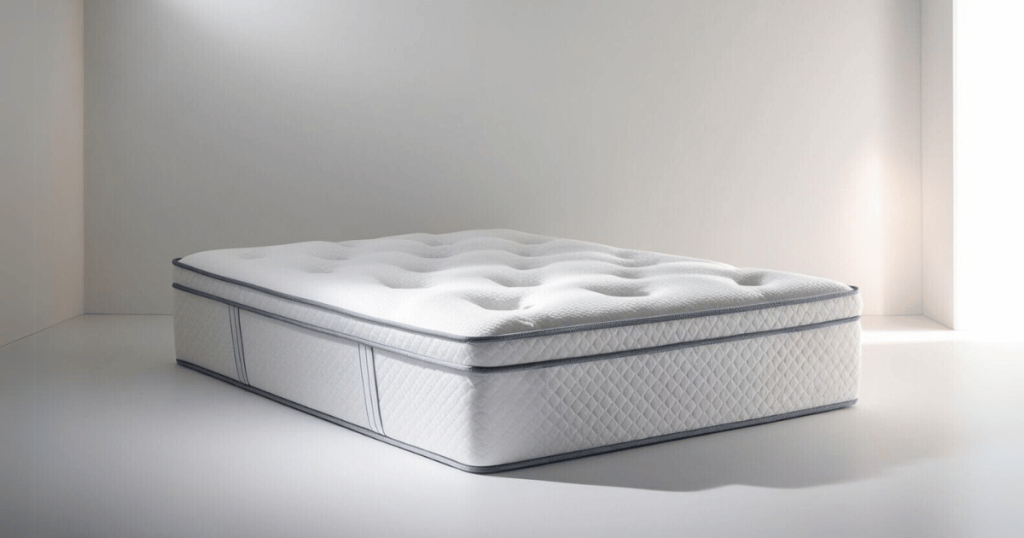
The tricky thing about VOCs is that you can’t always smell them. While some have that distinct chemical odor, others are completely odorless.
Common Sources of VOCs in Your Home
This is where things get interesting – and a bit scary! When I first started learning about VOC sources, I went around my house like a detective with a notepad. What I discovered was eye-opening, to say the least.
Let’s start in the cleaning cabinet (mine used to be a VOC paradise!):
- Traditional cleaning products (especially those “fresh mountain breeze” scented ones)
- Air fresheners and fabric sprays
- Aerosol products of any kind
- Disinfectants and sanitizers
But here’s where it gets really interesting – VOCs lurk in places you’d never expect:

Your furniture might be a major culprit. That gorgeous pressed wood coffee table? Potentially releasing formaldehyde. Your cozy new sofa? Likely off-gassing flame retardants.
Paint is another biggie. I once painted my living room in winter and couldn’t open the windows properly for ventilation. Big mistake! Even after the paint dried and the obvious smell disappeared, VOCs continued to off-gas.
Here’s a surprising one: personal care products! Your hairspray, nail polish, and even some deodorants are sending VOCs into your air every time you use them. I started doing my nail polish routine outside on my patio after learning this!
Even your hobbies might be contributing to the problem:
- Art supplies (especially markers and adhesives)
- Craft materials
- Wood staining and finishing products
- Auto repair products in attached garages
Health Effects of VOC Exposure
Let me share a personal story that really drives this point home. A few years ago, I helped refurbish my parent’s dining room table. We used conventional paint because we didn’t know any better at the time. Within hours, we both had headaches and felt nauseous. That’s when I started diving deep into VOC research, and what I learned was startling.
Short-term exposure to VOCs can cause:
- Headaches (been there!)
- Dizziness
- Eye, nose, and throat irritation
- Nausea
- Difficulty breathing
- Allergic skin reactions
But here’s what really keeps me up at night – the long-term effects:
- Liver and kidney damage
- Central nervous system damage
- Possible links to certain cancers
- Chronic respiratory problems
Some people are more sensitive to VOCs than others. I discovered I was one of them during that painting project incident! High-risk groups include:
- Children (their developing bodies are more vulnerable)
- Elderly individuals
- People with asthma or respiratory conditions
- Those with chemical sensitivities
- Pregnant women
Here’s a crucial tip I’ve learned: If you experience persistent symptoms like headaches, fatigue, or respiratory issues that improve when you leave your home and return when you’re back, VOCs might be the culprit. Don’t ignore these warning signs like I initially did!
Natural Methods to Remove VOCs
Here’s where things get fun – and where my plant collection started taking over my house! After discovering how many VOCs were lurking in my home, I went on a mission to find natural solutions. And boy, did I find some good ones!
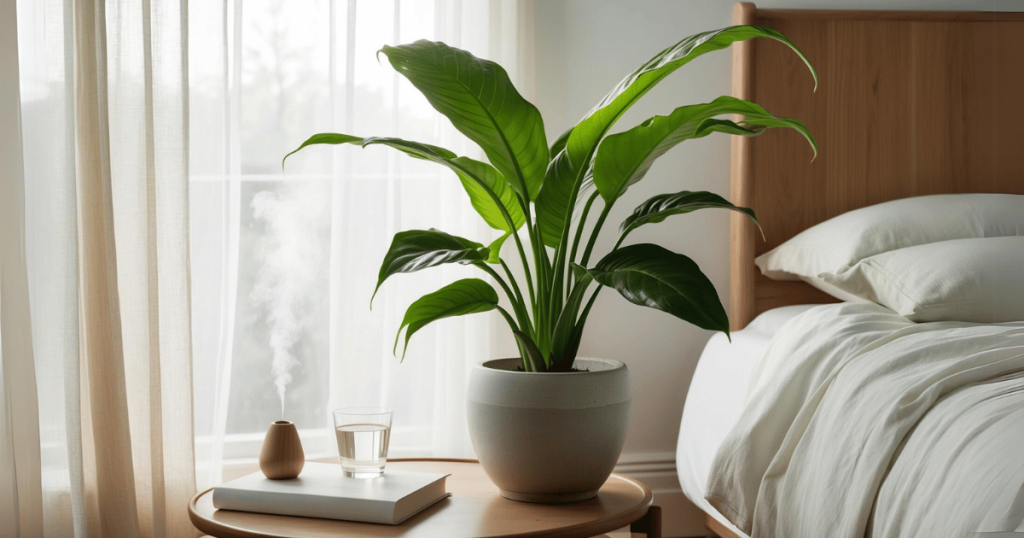
First up: plants! NASA research shows certain plants are amazing at removing VOCs from the air. My personal favorites (that I haven’t managed to kill yet):
- Snake Plants (practically indestructible!)
- Spider Plants (great in hanging baskets)
- Peace Lilies (beautiful but keep away from pets)
- Rubber Plants (slow-growing but effective)
I’ve got at least one air-purifying plant in every room now. My spouse jokes that we’re living in a jungle, but hey – it’s a healthy jungle!
Natural ventilation has become my best friend. I created what I call the “15/15 Rule” – open windows for 15 minutes at least 15 hours apart, even in winter. Yes, your heating bill might go up slightly, but your lungs will thank you!

Technical Solutions for VOC Removal
Alright, let’s get a bit techy! After my natural solutions phase, I realized sometimes you need to bring in the big guns – especially if you’re dealing with significant VOC issues.
The game-changer for me was investing in a proper air purifier. But not just any air purifier – you need one specifically designed for VOC removal. Here’s what I learned (the hard way, after buying the wrong type first):
Look for air purifiers with:
- True HEPA filters
- Substantial activated carbon filters
- UV-C light (optional but helpful)
- Proper room size rating
I currently use a combination of:
- Large unit in the main living area
- Smaller units in bedrooms
- Portable unit I can move as needed
Don’t make the mistake I did initially – those cute little desktop air purifiers won’t cut it for VOC removal. You need something substantial!
Prevention and Maintenance
After years of dealing with VOCs, I’ve developed what I call my “VOC Prevention Protocol.” It might sound fancy, but it’s really just a set of simple habits that help keep our indoor air clean.
My top prevention strategies:
- Always read labels before buying products
- Choose low or no-VOC alternatives when available
- Store chemicals in the garage or shed when possible
- Regular HVAC maintenance (mark it on your calendar!)
- Keep humidity levels between 30-50% (I use a hygrometer to monitor)
Here’s my seasonal maintenance schedule:
- Spring: Deep clean and check ventilation
- Summer: Monitor AC efficiency
- Fall: Clean or replace air filters
- Winter: Watch humidity levels
Conclusion
The most important thing I’ve learned? Knowledge is power. Now that you understand what VOCs are and where they come from, you can make informed decisions about the products you bring into your home and the ways you maintain your indoor air quality.
To learn about more ways to transform your home, check out The Ultimate Non-Toxic Home Guide: Live Healthier in 2024.