
Non-Toxic Mattress Care: 7 Essential Tips for Healthier Sleep
Did you know that we spend about a third of our lives sleeping? That’s right, folks! And if you’re anything like me, you want to make sure that time is spent on a clean, safe, and healthy surface.
In this article, we’ll explore everything from daily maintenance to deep cleaning techniques, and I’ll even throw in some troubleshooting tips for those inevitable oops moments.
So, grab a cup of herbal tea (because caffeine and good sleep don’t mix, am I right?), and let’s dive into the world of non-toxic mattress care!
The Problem with Most Mattresses
An article released by EWG reported that most mattress manufacturers aren’t required to fully disclose their materials, leaving consumers uncertain about potential health risks.
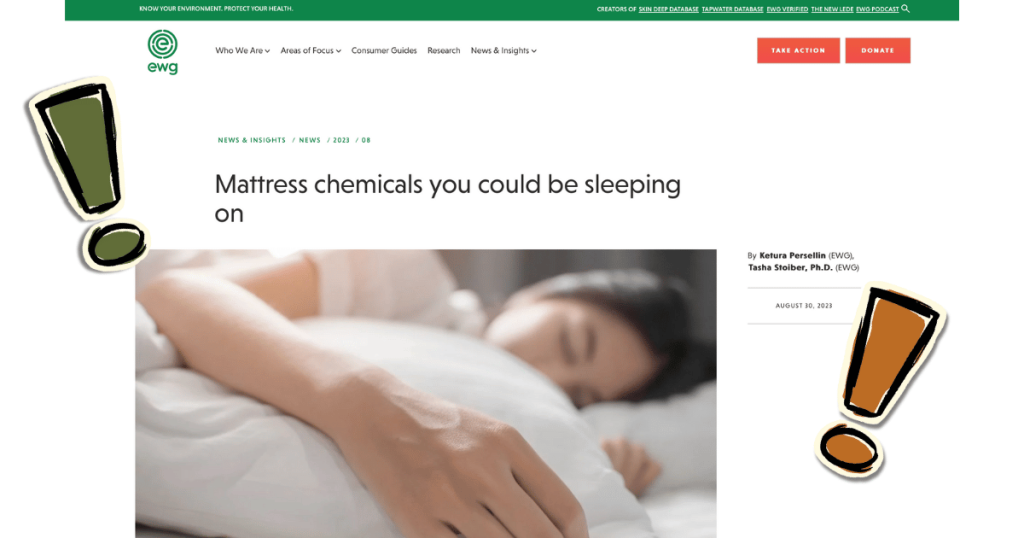
Many mattresses contain harmful chemicals such as volatile organic compounds (VOCs) from polyurethane foams, undisclosed fragrances, flame retardants, and PVC or vinyl.
These substances can cause respiratory issues, allergic reactions, and long-term health problems. Some states are beginning to regulate certain materials, but overall, the lack of transparency in the industry remains a concern for both human health and environmental impact.
Understanding Non-Toxic Mattresses
Alright, let’s start with the basics. What exactly is a non-toxic mattress? Well, I remember when I first heard the term, I was like, “Wait, are regular mattresses toxic?” Talk about a rude awakening!
Non-toxic mattresses are made from natural materials like organic cotton, wool, and natural latex.
They’re free from all those nasty chemicals you can’t pronounce – you know, the ones that make you go “hmmm” when you read the label. I’m talking about stuff like flame retardants, formaldehyde, and polyurethane foam. Yuck!
The benefits of choosing a non-toxic mattress are pretty huge. For starters, they’re better for your health. No more breathing in weird chemicals while you sleep!
They’re also great for people with allergies or sensitivities. And let’s not forget about the environment – these mattresses are way more eco-friendly than their conventional counterparts.
But here’s the thing: having a non-toxic mattress is only half the battle. You’ve gotta take care of it properly to really reap the benefits. Which brings us to our next point…
1. Daily Maintenance for Your Non-Toxic Mattress
Okay, I’ll be honest. When I first got my non-toxic mattress, I thought I could just plop down on it every night and call it a day. Boy, was I wrong! Daily maintenance is key to keeping your mattress in tip-top shape.
First things first: air that baby out! Every morning, I pull back the covers and let my mattress breathe for about 15 minutes. It’s like a little spa treatment for your bed. This helps prevent moisture buildup, which can lead to mold and mildew.
Another simple habit I’ve picked up is giving my mattress a quick once-over with a soft brush or vacuum attachment once a week. It’s amazing (and kinda gross) how much dust and dead skin cells can accumulate.
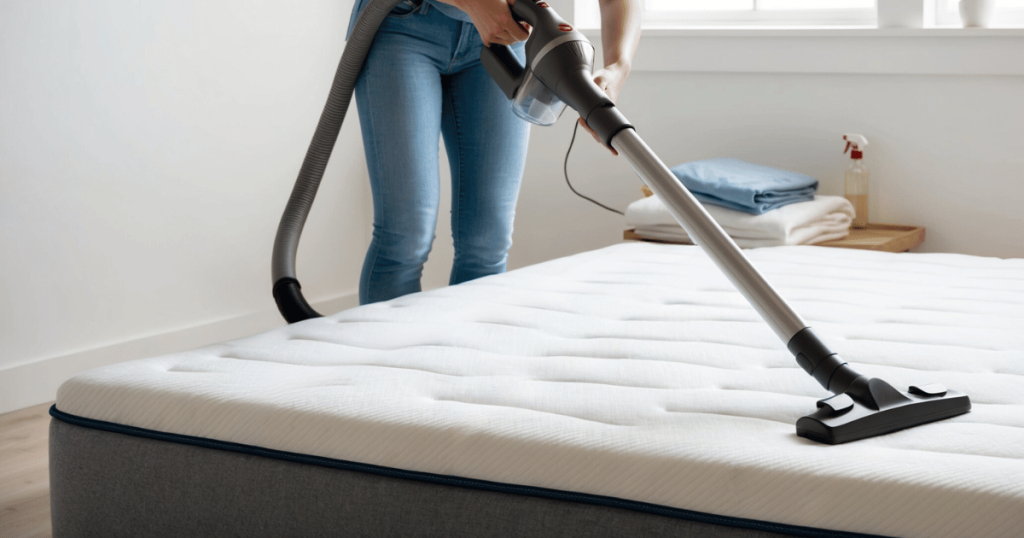
Oh, and here’s a little trick I learned: natural air fresheners are your friend. I love sprinkling a bit of baking soda mixed with a few drops of lavender essential oil on my mattress before vacuuming. It leaves it smelling fresh and clean without any harsh chemicals. Just make sure to vacuum it all up before you make the bed!
2. Safe Cleaning Solutions for Non-Toxic Mattresses
Instead, I’ve become a bit of a DIY queen when it comes to natural cleaning solutions. My go-to recipe is a mix of equal parts water and white vinegar, with a few drops of tea tree oil for its antimicrobial properties. It works like a charm for spot cleaning!
If you’re not into the whole DIY thing, there are plenty of store-bought eco-friendly cleaners out there. Just make sure to read the labels carefully. Look for cleaners that are biodegradable, plant-based, and free from synthetic fragrances.
And let me tell you what to avoid: bleach, ammonia, and anything with a strong chemical smell. These can damage the natural materials in your mattress and leave behind residues that aren’t great for your health.
3. Deep Cleaning Your Non-Toxic Mattress
Alright, time to get down and dirty with some deep cleaning! I’ll admit, the first time I attempted this, it was a bit of a disaster. I ended up with a sopping wet mattress that took days to dry. Learn from my mistakes, people!
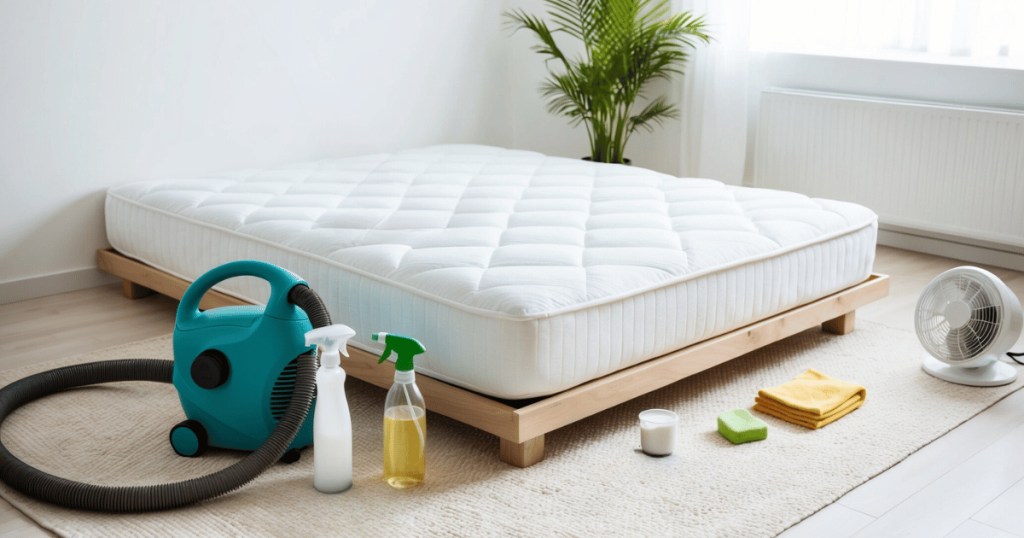
Here’s my step-by-step guide for thorough cleaning:
- Vacuum the entire mattress, paying extra attention to seams and crevices.
- Spot clean any stains using your natural cleaning solution.
- For a deeper clean, lightly mist the mattress with a mixture of water and hydrogen peroxide (1:1 ratio).
- Use a fan to help the mattress dry completely before putting sheets back on.
How often should you do this? Well, I aim for a deep clean every 6 months or so. But if you’re prone to night sweats or have allergies, you might want to do it more frequently.
Oh, and let’s talk about stubborn stains for a sec. A paste made from baking soda and water, left to sit on the stain for a few hours, works wonders. Just be patient and resist the urge to scrub too hard!
4. Protecting Your Non-Toxic Mattress
First things first, get yourself a good mattress protector. But not just any old protector – you want one that’s as non-toxic as your mattress.
Look for options made from organic cotton or wool. These materials are naturally water-resistant and breathable, which is exactly what you want.
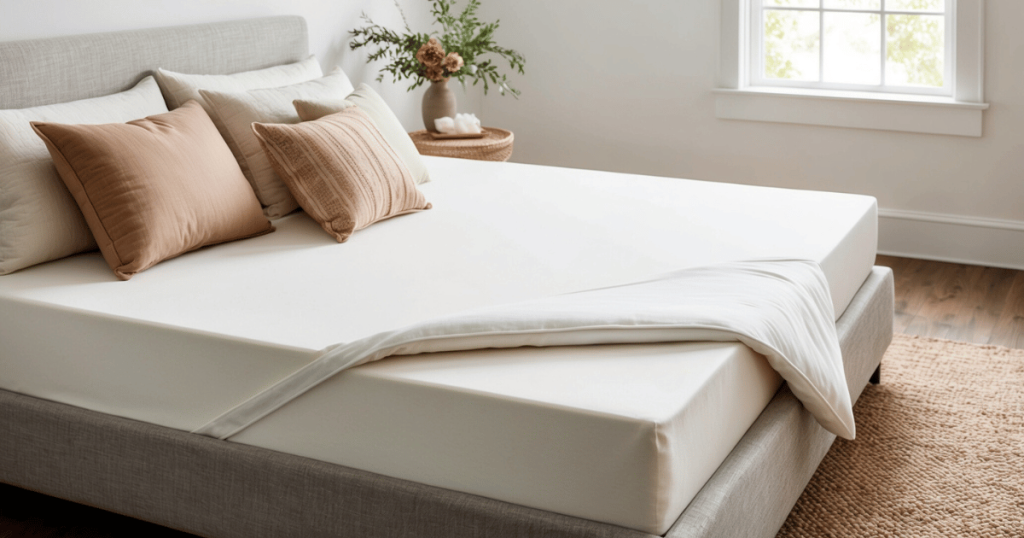
When I first started shopping for a mattress protector, I was overwhelmed by the options. But here’s a tip: avoid anything with plastic or vinyl. Sure, they might be waterproof, but they’re also not great for your health or the environment.
Another key aspect of protection is rotating your mattress regularly. I’ll be honest, I used to forget to do this all the time. But now I’ve made it a habit to rotate my mattress every 3-4 months. It helps prevent sagging and ensures even wear. Pro tip: set a reminder on your phone so you don’t forget!
5. Addressing Common Issues: Dust Mites and Allergens
Okay, let’s talk about some uninvited bedmates: dust mites and allergens. Gross, I know, but it’s important to address these little buggers, especially if you’re prone to allergies like I am.
First up, dust mites. These microscopic critters love to hang out in our mattresses, feeding on dead skin cells (I told you it was gross). But fear not! There are natural ways to keep them at bay. I’ve found that encasing my mattress in an organic cotton or wool cover creates a barrier that dust mites can’t penetrate.
Another trick I swear by is using essential oils. A few drops of eucalyptus or lavender oil on your mattress can help repel dust mites naturally. Just make sure to do a patch test first to ensure you’re not allergic.
When it comes to other allergens, like pollen or pet dander, regular vacuuming is your best friend. I use a vacuum with a HEPA filter to make sure I’m really getting all those tiny particles.
Oh, and here’s something I wish I’d known earlier: your bedroom humidity levels can affect allergen growth. I invested in a dehumidifier, and it’s made a world of difference. Aim for humidity levels between 30-50% for optimal allergen prevention.
6. Eco-Friendly Mattress Accessories
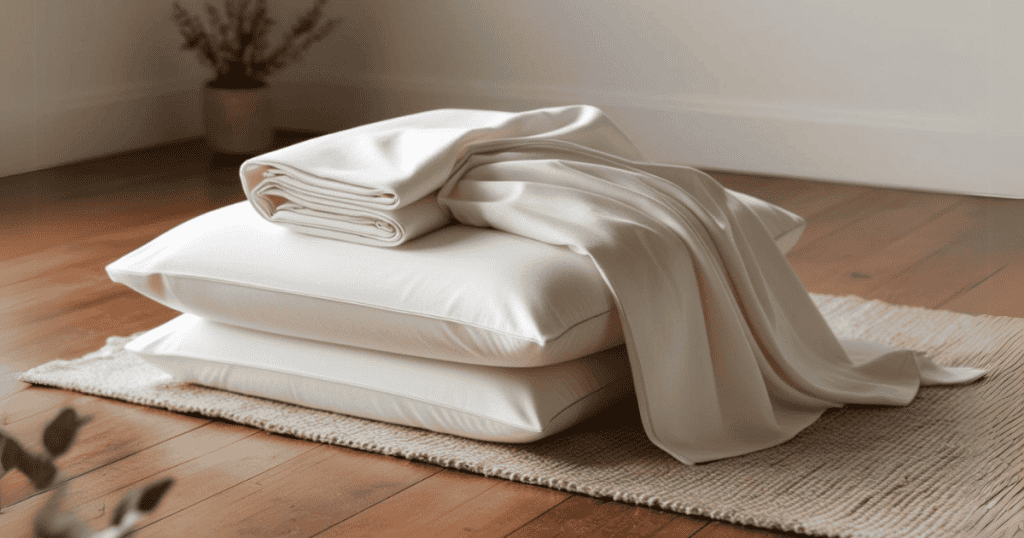
When it comes to pillows and bedding, I’m all about organic materials. Cotton, wool, and natural latex are my go-to choices. I’ll admit, when I first switched to organic sheets, I was worried they’d be scratchy. But let me tell you, they get softer with every wash!
Now, here’s something cool I discovered recently: natural air purifiers for your bedroom. I’ve got a couple of snake plants and a peace lily in my room, and not only do they look great, but they also help purify the air naturally. It’s like having your own little air-cleaning squad while you sleep!
As for bedroom furniture, I try to stick with sustainable options. Look for pieces made from reclaimed wood or bamboo.
And if you’re feeling crafty, why not up-cycle some old furniture? I turned an old ladder into a quirky bookshelf next to my bed. It’s unique, eco-friendly, and adds some character to the room.
7. Troubleshooting Non-Toxic Mattress Care
Spills and accidents happen. The key is to act fast! Blot (don’t rub!) the area with a clean, dry cloth to absorb as much liquid as possible. Then, use your natural cleaning solution to tackle the stain. For tougher stains, a paste of baking soda and water left to sit overnight can work wonders.
Odors can be tricky. I once left my windows open during a rainy day, and my mattress ended up smelling a bit musty.
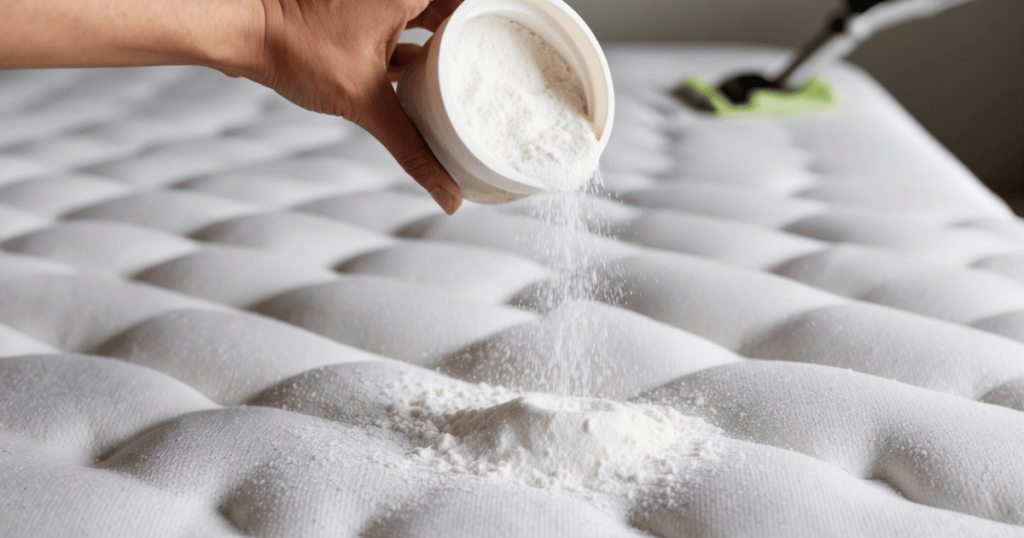
My solution? Sprinkle baking soda all over the mattress, let it sit for a few hours (or overnight if possible), then vacuum it up. It’s like a natural deodorizer!
Now, here’s when you might want to call in the pros: if you’re dealing with a major stain that won’t budge, or if you suspect mold or mildew growth.
Some companies specialize in eco-friendly mattress cleaning. It’s worth looking into if you’re facing a cleaning challenge you can’t handle on your own.
Ready for Healthier Sleep?
Whew! We’ve covered a lot of ground, haven’t we? From daily care to deep cleaning, from protecting your mattress to troubleshooting issues, we’ve explored the ins and outs of non-toxic mattress care.
Looking back, it’s clear that taking care of a non-toxic mattress isn’t just about maintaining a piece of furniture. It’s about creating a healthier sleep environment, reducing your environmental impact, and investing in your well-being.
Sure, it might take a bit more effort than just throwing your mattress on a bed frame and forgetting about it. But trust me, it’s worth it.
Sweet dreams, and here’s to many nights of healthy, comfortable sleep on your well-cared-for non-toxic mattress!
To learn about more ways to transform your home, check out The Ultimate Non-Toxic Home Guide: Live Healthier in 2024.