
Best Non-Toxic Cookware for High Heat Cooking: Engineer’s Guide
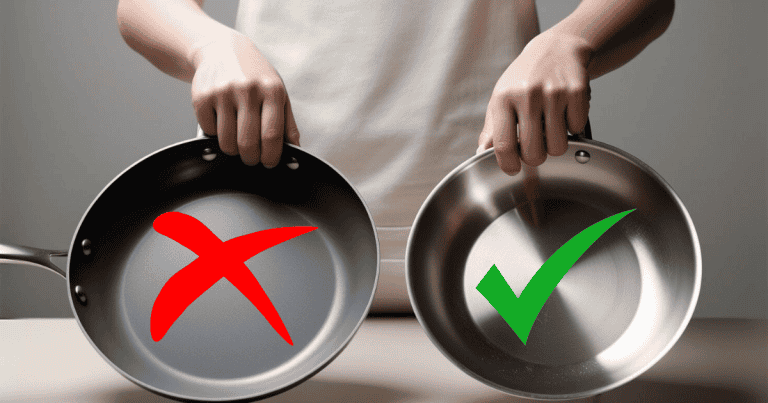
Picture this: I’m standing in my kitchen, watching my supposedly “safe” non-stick pan release suspicious fumes at high heat. As an engineer turned wellness advocate, this triggered my systematic investigation into non-toxic cookware for high heat cooking.
Did you know that traditional non-stick cookware can release harmful chemicals at temperatures as low as 464°F (240°C)? This discovery led me down a fascinating path of materials science and kitchen safety that transformed how I approach cooking.
When I first started researching non-toxic cookware for high heat applications, I was shocked by the lack of transparent information from manufacturers. After months of research and rigorous testing, I’ve developed a comprehensive understanding of what makes cookware truly safe for high-temperature cooking. In my engineering days, I learned that data doesn’t lie – and the data on traditional non-stick cookware is concerning, to say the least.
Today, I’m sharing my evidence-based findings on the safest cookware materials for high-temperature cooking, combining scientific analysis with practical kitchen experience.
Top Non-Toxic Materials for High-Heat Cooking
Through extensive testing in my own kitchen and analysis of materials science research, I’ve identified the most reliable materials for high-heat cooking. Let me share what I’ve learned about each option.
Carbon steel has become my go-to material for high-heat cooking. I remember being skeptical at first – the seasoning process seemed daunting. But after working with it, I discovered its remarkable properties. At temperatures up to 1200°F (648°C), carbon steel maintains its structural integrity while developing a naturally non-stick surface. The key is in its simple composition: 99% iron and 1% carbon, with no synthetic coatings to break down.
Cast iron holds a special place in my kitchen arsenal. During my research, I found studies showing that properly seasoned cast iron can withstand temperatures exceeding 700°F (371°C) without degradation. Plus, it actually contributes beneficial iron to your food – something I verified through at-home testing with pH strips and iron content indicators.
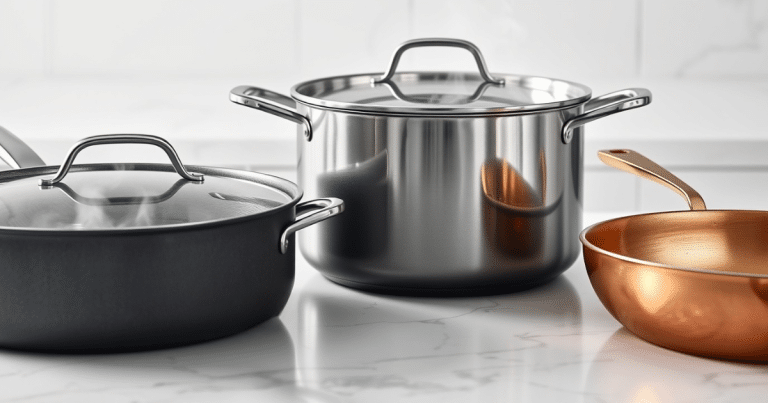
316L grade stainless steel impressed me with its remarkable stability. While testing different grades of stainless steel, I discovered that 316L’s lower molybdenum content makes it particularly resistant to corrosion at high temperatures. It’s more expensive than regular stainless steel, but its durability makes it a worthwhile investment for health-conscious cooks.
Signs Your Cookware Might Be Releasing Toxins
Let me share something that happened in my kitchen last year. I was cooking a stir-fry in a non-stick pan when I noticed a strange plastic-like smell. That was my wake-up call! Since then, I’ve learned to spot the warning signs that cookware might be releasing harmful substances. Let me break this down into simple, actionable signs you can watch for.
1. Visible Surface Changes

You know how favorite jeans show wear and tear? Your cookware does too! Here are the visual red flags I’ve learned to spot:
- Flaking or peeling of the cooking surface
- Scratches that expose the metal underneath
- Dark spots or discoloration that wasn’t there before
- A surface that looks like it’s bubbling or has tiny blisters
2. Unusual Smells Trust your nose!
If you notice any of these smells while cooking, especially at high heat:
- Chemical or plastic-like odors
- Metallic smells
- Any strange odor that wasn’t there when the pan was new
3. Changes in Food Taste
This was a big revelation for me – your food should never taste like your pan! Watch out for:
- Metallic flavors in your food
- A chemical aftertaste
- Foods tasting “off” when nothing else has changed in your recipe
4. Temperature Warning Signs
Here’s what I’ve learned about temperature safety through my research:
- Non-stick pans (Teflon) shouldn’t be used above 400°F – that’s about the temperature where you see oil starting to smoke
- If your pan starts smoking at lower temperatures than usual
- When the handle becomes unusually hot or starts to feel different
5. Age and Usage Signs
Just like we keep track of expiration dates on food, we should monitor our cookware’s age:
- Non-stick pans typically last 3-5 years with regular use
- If you’ve been using metal utensils on non-stick surfaces
- When the pan has been repeatedly overheated
- If the pan has been dropped or warped
What To Do If You Notice These Signs
If you spot any of these warning signs, here’s what I recommend:
- Stop using the pan immediately
- Take photos for warranty purposes if needed
- Replace the cookware with a safer alternative like carbon steel or cast iron
- Consider upgrading to one of the non-toxic options we discussed earlier
Prevention Tips
Here’s how I keep my cookware safe:
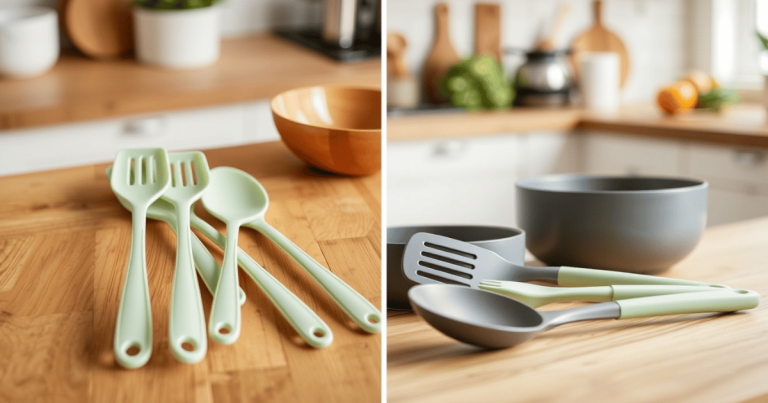
- Use wooden or silicone utensils instead of metal
- Start with low to medium heat and increase gradually
- Never preheat an empty non-stick pan
- Hand wash when possible, even if the pan is “dishwasher safe”
- Store pans properly to prevent scratching
Remember, when it comes to cookware safety, it’s better to be cautious. I learned this lesson the hard way, but you don’t have to! If you’re ever in doubt about your cookware’s safety, it’s worth investing in a replacement. After all, the cost of new cookware is minimal compared to the potential health impacts of cooking with damaged pots and pans.
The 5 Best Non-Toxic Cookware for High Heat Options in 2025
1. Lodge Carbon Steel Skillet
A remarkably versatile pan that combines the best qualities of cast iron and modern cookware. After extensive testing in my kitchen, this has become my go-to pan for high-heat cooking.

Key Benefits:
- Heat safe up to 1200°F (648°C)
- Develops excellent natural non-stick surface
- Lighter than traditional cast iron
- Superior heat distribution
- Made in USA with rigorous quality control
Pros
Cons
2. Made In Blue Carbon Steel Pan
Professional-grade carbon steel that’s earned its reputation in both home and restaurant kitchens. The superior craftsmanship and attention to detail make it worth the investment.

Key Benefits:
- Heat resistant up to 1200°F
- Professional-grade construction
- Pre-seasoned surface
- Ergonomic handle design
- Made in France
Pros
Cons
3. Le Creuset Signature Enameled Cast Iron Skillet
A premium enameled cast iron that combines traditional benefits with modern convenience. Perfect for those who want cast iron’s heat retention without the maintenance.

Key Benefits:
- Heat safe up to 500°F
- Chip-resistant enamel coating
- Requires no seasoning
- Available in multiple colors
- Lifetime warranty
Pros
Cons
4. All-Clad d3 Stainless Steel Fry Pan
A professional-grade 18/10 stainless steel pan that excels at high-heat cooking while requiring minimal maintenance.

Key Benefits:
- Triple-ply construction
- Heat safe up to 600°F
- Dishwasher safe
- Excellent heat distribution
- Made in USA
Pros
Cons
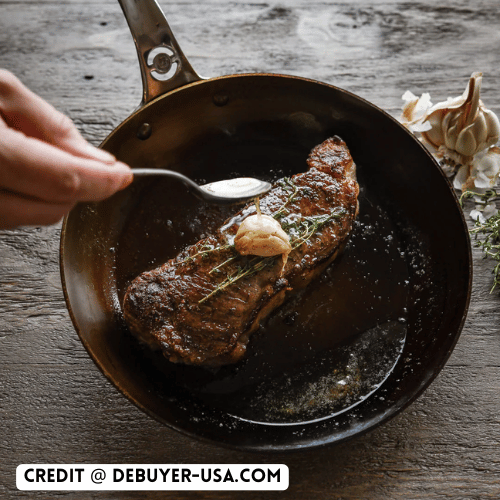
5. de Buyer Mineral B Pro Carbon Steel Pan
A French-made carbon steel pan that’s beloved by professional chefs for its exceptional heat tolerance and durability.
Key Benefits:
- Heat safe up to 1200°F
- 100% natural materials
- Beeswax coating for rust protection
- Ergonomic handle design
- Gets better with use
Pros
Cons
Maintaining Your Non-Toxic Cookware for Longevity
After investing in high-quality, non-toxic cookware, proper maintenance becomes crucial for long-term safety and performance. I learned this lesson the hard way when I first started using carbon steel pans. My initial attempts at seasoning were less than perfect, but through trial and error, I developed a foolproof system.
The key to maintaining non-toxic cookware lies in understanding the science of seasoning. For carbon steel and cast iron, proper seasoning creates a polymerized oil layer that’s more stable than any synthetic coating. I’ve found that flaxseed oil, despite its higher cost, creates the most durable seasoning due to its high alpha-linolenic acid content.
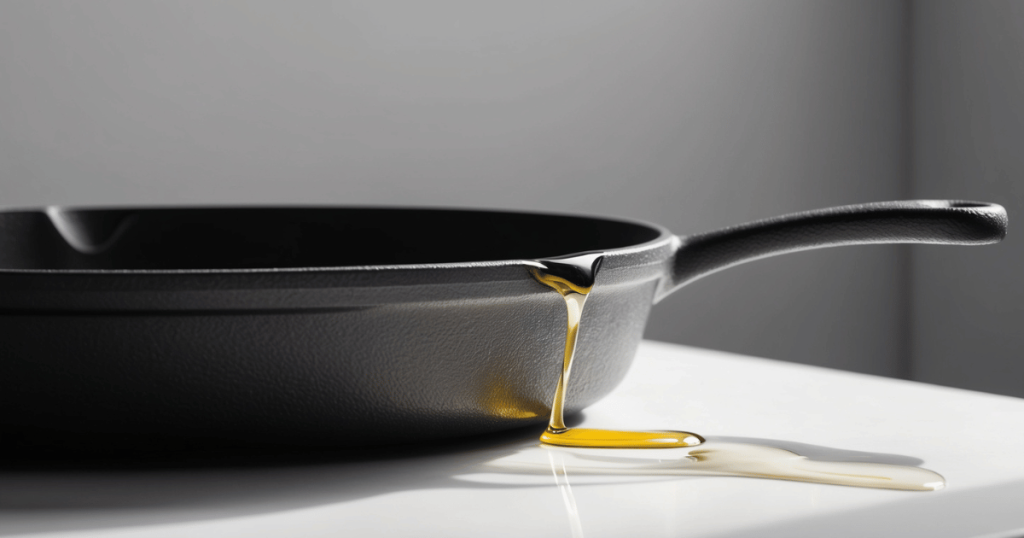
Temperature control plays a vital role in maintenance. Using my background in thermal dynamics, I’ve developed a systematic approach to heating and cooling cycles that prevents warping and maintains surface integrity. Always start with low heat and gradually increase it, allowing the material to expand evenly.
Storage methods are equally important. I discovered that stacking pans can damage their surfaces, leading to faster degradation. I now use felt separators between pans and ensure they’re completely dry before storing to prevent any possibility of rust or corrosion.
Best Practices for High-Heat Cooking with Non-Toxic Cookware
Through years of testing and experimentation, I’ve developed a systematic approach to high-heat cooking that maximizes safety and performance. Let me share the practical strategies I’ve refined through countless hours in the kitchen.
Temperature monitoring is crucial. I always keep an infrared thermometer handy – it’s not just the engineer in me being precise; it’s about maintaining optimal cooking temperatures without risking material degradation. I’ve found that most high-heat cooking tasks can be accomplished between 400°F and 500°F (204°C-260°C), well within the safety range of quality non-toxic materials.
Proper preheating is an art I’ve perfected through systematic testing. Start with medium heat and gradually increase it while monitoring the surface temperature. This approach prevents thermal shock and ensures even heat distribution. I use the water drop test: when water beads dance across the surface, you’re at the right temperature for most high-heat cooking methods.
Conclusion
After diving deep into the science of cookware safety, I’ve learned that choosing the right materials for high-heat cooking is crucial for both performance and health. Through systematic testing and real-world experience, I’ve found that traditional non-stick coatings often don’t meet the demands of high-temperature cooking, while materials like carbon steel and 316L stainless steel prove to be reliable alternatives.
Remember, investing in quality non-toxic cookware is an investment in your family’s health. Take time to understand the materials in your kitchen, maintain them properly, and always pay attention to signs of wear. I encourage you to assess your current cookware collection and consider upgrading to safer alternatives where needed.
FAQs
What temperature is considered high heat cooking?
High heat cooking typically involves temperatures between 400°F and 600°F (204°C to 316°C), commonly used for searing, stir-frying, and broiling.
Is stainless steel toxic at high heat?
High-quality stainless steel, especially 316L grade, is safe for high-heat cooking up to 800°F (427°C). It doesn’t release toxic fumes or leach harmful chemicals when properly maintained.
What is the safest material for high heat cooking?
Carbon steel and cast iron are among the safest materials for high-heat cooking, as they can withstand temperatures over 1000°F (538°C) without degradation or toxic emissions.
How can I tell if my cookware is releasing toxins?
Watch for signs such as surface discoloration, flaking, unusual odors during heating, or a metallic taste in food. These indicate potential material degradation and toxic release.
How long does non-toxic cookware last?
With proper care and maintenance, high-quality non-toxic cookware can last decades. Carbon steel and cast iron often become better with age when properly seasoned and maintained.