7 Safest Cookware Materials for Healthy Cooking
Have you ever stopped to think about what your pots and pans might be secretly adding to your carefully crafted meals? I sure didn’t, until I stumbled upon some pretty eye-opening information about cookware safety.
Did you know that some cookware can actually leach harmful chemicals into your food? Talk about a recipe for disaster!
I’ve spent countless hours poring over studies and boy, do I have some insights to share with you!
In this article, we’re gonna dive deep into the world of safest cookware materials. I’ll walk you through the top 7 options that’ll keep your meals delicious and your family healthy.
Why Choosing Safe Cookware Matters
Here’s the deal: some cookware materials can release harmful substances into your food when heated. We’re talking about nasties like lead, cadmium, PFOA, and PTFE (also known as Teflon).
Now, I’m no scientist, but I’ve learned that these substances can build up in your body over time and potentially lead to all sorts of health issues.
We’re talking hormone disruption, reproductive problems, and even certain types of cancer. Yikes! It’s enough to make you want to swear off cooking altogether and live on takeout, right?
But here’s the good news: by choosing safe cookware, you can kick those unwanted toxins to the curb and focus on what really matters – creating delicious, healthy meals for you and your loved ones.
Plus, many of the safer options out there are actually pretty awesome to cook with. I’m talking better heat distribution, natural non-stick properties, and even some added health benefits (hello, iron-fortified meals from cast iron pans!).
Investing in safe cookware is like giving your future self a high-five. You’re setting yourself up for healthier cooking habits, potentially reducing your risk of certain health issues, and maybe even improving the taste of your food. Who doesn’t want that?
The 7 Safest Cookware Materials for 2024
We’re about to embark on a whirlwind tour of the safest cookware materials you’ll want in your culinary arsenal. I’ve put these bad boys through their paces, and let me tell you, they’re the real deal when it comes to healthy cooking.
- Ceramic: The Non-Toxic Superstar
- Stainless Steel: The Durable Workhorse
- Cast Iron: The Time-Tested Classic
- Glass: The See-Through Wonder
- Carbon Steel: The Chef’s Secret Weapon
- Titanium: The Lightweight Champ
- Enamel-Coated Cast Iron: The Colorful Contender
Each of these materials has its own superpowers when it comes to safe cooking, and I’m itching to spill all the juicy details. But before we dive in, let me just say this: finding the right cookware is kinda like dating. You might have to kiss a few frogs before you find your prince charming (or in this case, your perfect pan).
So, whether you’re a seasoned chef or a microwave meal master looking to up your game, there’s a safe cookware option out there with your name on it.
In the next sections, we’ll break down each of these materials, talking pros, cons, and best uses. I’ll share my personal experiences, epic fails, and those “aha!” moments that’ll help you navigate the world of safe cookware like a pro.
Ceramic Cookware: The Non-Toxic Champion
Ah, ceramic cookware – the darling of the non-toxic cooking world! When I first got my hands on a ceramic pan, I felt like I’d stepped into the future.
It was sleek, colorful, and promised to be safer than my old non-stick pans. But let me tell you, it wasn’t all smooth sailing (or should I say, smooth sautéing?).

First things first, what makes ceramic cookware so safe? Well, it’s all about that slick, non-porous surface. Unlike some other materials, ceramic doesn’t leach chemicals or metals into your food.
It’s like a superhero shield for your meals! Plus, it’s PFOA and PTFE-free, which means you can flip those pancakes without worrying about any nasty stuff sneaking into your breakfast.
Now, let’s talk pros and cons, ’cause trust me, I’ve experienced plenty of both:
Pros:
Cons:
Now, here’s where I made my rookie mistake: I treated my ceramic pan like it was indestructible.
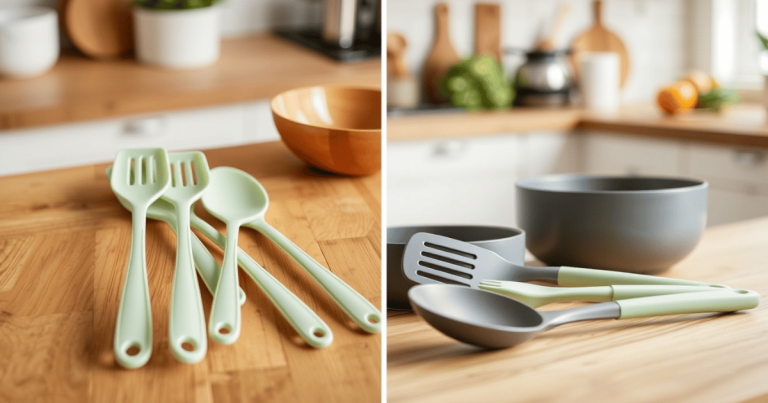
Pro tip: it’s not. I learned the hard way that metal utensils and ceramic don’t mix. One overzealous flip with a metal spatula, and bam! Goodbye, perfect surface.
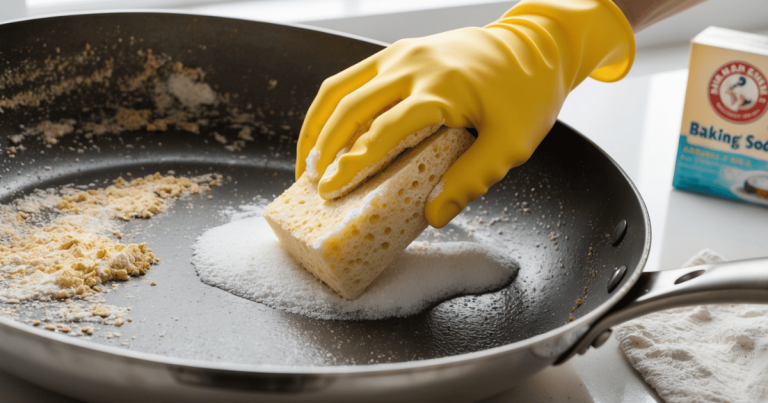
But once I got the hang of it, oh boy, did I fall in love! Ceramic cookware is perfect for those delicate foods that love to stick. I’m talking eggs, fish, and even that tricky melted cheese in your quesadillas. And clean-up? It’s a breeze! Most of the time, a quick wipe with a soft sponge is all you need.
One thing to keep in mind: ceramic doesn’t play well with super high heat. I once tried to sear a steak on my ceramic pan, and let’s just say it didn’t end well for either the steak or the pan. Stick to low to medium heat, and you’ll be golden.
So, if you’re looking for a safe, non-stick option that’s perfect for everyday cooking, ceramic might just be your new kitchen bestie. Just remember to treat it with a little TLC, and it’ll serve up countless healthy meals with style!
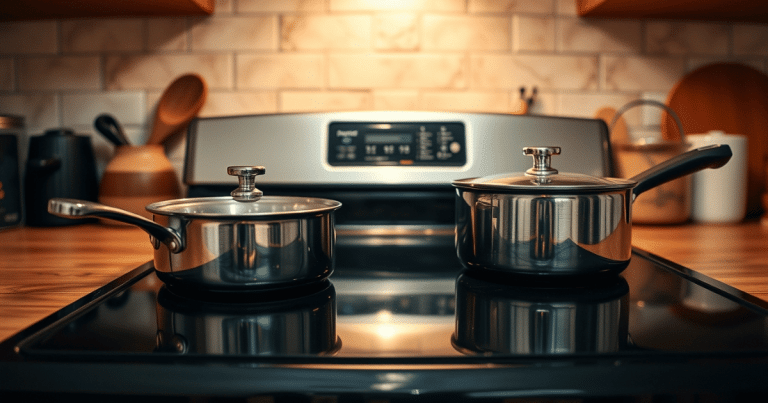
Stainless Steel: Durable and Versatile
Stainless steel is sleek, tough, and ready for any kitchen mission you throw at it. When I first added a stainless steel pan to my collection, I felt like a real chef. But let me tell you, there was definitely a learning curve!

So, what’s the deal with stainless steel’s safety profile? Well, it’s like the strong, silent type of the cookware materials. It doesn’t react with your food, doesn’t leach harmful chemicals, and stands up to just about anything you can dish out. It’s the kind of cookware that makes you feel like you could tackle any recipe.
But there are pros and cons to consider:
Pros:
Cons:
Now, let me share a little story about my first adventure with stainless steel. Picture this: me, excited about my new pan, ready to make the perfect omelet. I crack the eggs, pour them in, and… disaster!
Everything stuck to the pan like superglue. I may have shed a tear or two while scrubbing that pan clean.
But here’s the secret I learned: it’s all about the preheat. Get that pan nice and hot before adding any oil or food, and you’ll be golden. It’s like a little dance – heat, oil, food, in that order. Once I figured that out, it was smooth sailing (and flipping!).
Stainless steel is a rockstar when it comes to versatility. It’s my go-to for everything from searing meats to whipping up stir-fries.
So, if you’re looking for a safe, long-lasting workhorse for your kitchen, stainless steel might just be your new sidekick. It might take a bit of practice to master, but once you do, you’ll feel like a culinary superspy, ready to take on any recipe that comes your way!
Cast Iron: Time-Tested and Naturally Non-Stick
This stuff is tough, dependable, and has probably been around longer than some countries. When I first got my cast iron skillet, I felt like I was joining a secret club of cooking enthusiasts. Little did I know, I was in for quite the adventure!

Let’s talk health benefits, because cast iron isn’t just safe – it’s like a superhero for your meals. It can actually add a bit of iron to your food, which is great news for those of us who could use a little boost in that department. Plus, when it’s well-seasoned, it’s naturally non-stick without any of those questionable chemicals.
Now, let’s break down the good, the bad, and the occasionally ugly:
Pros:
Cons:
Okay, let me tell you about my first cast iron fiasco. I’d just gotten this beautiful skillet, all pre-seasoned and ready to go. I was so excited to try it out that I decided to make a big batch of chili. Big mistake. Huge.
The acidity of the tomatoes stripped off all that beautiful seasoning, and I was left with a sad, gray pan that started to rust almost immediately. I may have shed a tear or two.
But here’s the thing about cast iron – it’s forgiving. With a little TLC (and a lot of oil), I was able to bring that pan back to life.
Now, it’s my go-to for everything from cornbread to perfectly seared steaks. The key is proper seasoning and maintenance. It’s like having a high-maintenance pet – a bit of work, but the loyalty is unmatched.
One of my favorite things about cast iron is its versatility. You can use it on the stovetop, in the oven, on the grill, or even over a campfire. I once made the most amazing Dutch baby pancake in my cast iron skillet – it puffed up like a golden cloud and was absolutely delicious.
Pro tip: never, ever wash your cast iron with soap. I know, it feels wrong, but trust me on this. A little hot water and a stiff brush are all you need. Then, dry it immediately and give it a light coating of oil. Your future self will thank you.
So, if you’re willing to put in a little extra effort for a pan that’ll last a lifetime (or three), cast iron might just be your new kitchen soulmate. Just be prepared for some arm workouts – these babies are heavy!
Glass Cookware: Inert and Transparent
Let’s talk about glass cookware – the see-through sensation of the kitchen! When I first got my hands on a glass baking dish, I felt like I’d stepped into a cooking show. Suddenly, I could see exactly what was happening to my lasagna as it baked. It was like having X-ray vision for my food!

Now, why is glass considered one of the safest cookware materials? Well, it’s all about being inert. Glass doesn’t react with food, doesn’t leach any chemicals, and doesn’t hold onto flavors or odors. It’s like the Switzerland of cookware – totally neutral.
Let’s break down the pros and cons:
Pros:
Cons:
I remember the first time I used a glass baking dish for a casserole. I was so excited to watch the cheese bubble and brown through the sides of the dish.
But in my enthusiasm, I made a rookie mistake – I took the piping hot dish straight from the oven and placed it on a wet countertop. The resulting “CRACK!” nearly gave me a heart attack! Lesson learned: always use a trivet or dry towel for hot glass cookware.
Despite that little mishap, I’ve grown to love my glass cookware. It’s perfect for baking, especially for dishes where you want to monitor the bottom (I’m looking at you, finicky pie crusts). And let’s talk about presentation – there’s something so satisfying about serving a beautiful layered dessert in a clear glass dish.
One of my favorite uses for glass cookware is for meal prep. I can bake a week’s worth of lunches, pop on the lids, and stack them in the fridge. When it’s time to eat, I just grab a dish and reheat – no need to transfer to a separate container.
Pro tip: If you’re using glass bakeware, lower your oven temperature by about 25 degrees Fahrenheit from what the recipe calls for. Glass retains heat really well, so this helps prevent overcooked edges and undercooked centers.
So, if you’re looking for a safe, versatile option for baking and food storage, glass cookware might just be your new kitchen MVP. Just remember to handle with care, and you’ll be seeing right through to perfectly cooked meals in no time!
Carbon Steel: The Professional Chef’s Choice
Alright, let’s chat about carbon steel – the unsung hero of professional kitchens everywhere.

So, what’s the deal with carbon steel’s safety profile? Well, it’s similar to cast iron in many ways. It’s made from iron and carbon, without any synthetic coatings or chemicals. When properly seasoned, it creates a natural non-stick surface that’s safe and durable.
Let’s break it down:
Pros:
Cons:
Now, let me tell you about my first adventure with carbon steel. I’d heard all about how it needed to be seasoned, so I followed the instructions meticulously.
Oil, heat, cool, repeat. I felt like I was performing some kind of culinary ritual. But oh boy, was it worth it!
One thing to keep in mind: carbon steel changes color as you use it. It’ll go from silvery to blue to black. The first time this happened, I panicked, thinking I’d ruined my beautiful new pan.
Turns out, that’s just it developing its patina – like a badge of honor for all the delicious meals you’ve cooked.
Pro tip: Carbon steel heats up fast, so start with a lower heat than you might usually use. I learned this the hard way when I nearly incinerated a batch of pancakes. Oops!
Carbon steel is fantastic for high-heat cooking techniques like stir-frying or searing. It’s also oven-safe, so you can start a dish on the stovetop and finish it in the oven – perfect for things like frittatas or skillet cornbread.
Titanium: Lightweight and Corrosion-Resistant

So, what makes titanium a safe choice for cookware? Well, it’s incredibly stable and non-reactive, which means it won’t leach any metals or chemicals into your food.
Plus, it’s naturally resistant to corrosion and doesn’t retain flavors or odors. It’s like the superhero of the cookware world!
Let’s break down the pros and cons:
Pros:
Cons:
One of the things I love most about titanium is how quickly it heats up. I’m not the most patient cook, so waiting for water to boil can feel like an eternity.
With my titanium pot, it’s like the water knows it needs to get with the program. Boiling water for coffee in the morning? Done before I’ve even fully woken up!
However, I did learn that the quick heating can be a double-edged sword. The first time I tried to cook something more delicate, like scrambled eggs, I ended up with a rubbery mess stuck to the bottom of the pan. Oops! Lesson learned: lower heat and constant attention are key with titanium.
Pro tip: If you’re using titanium cookware for backpacking or camping, look for nesting sets. They’re like those Russian dolls, but for cookware. Everything fits inside each other, saving precious pack space.
Titanium is great for simple cooking tasks like boiling water, making soups, or cooking grains. It’s not the best choice for things that require precise temperature control, but for everyday cooking and outdoor adventures, it’s hard to beat.
Enamel-Coated Cast Iron: Colorful and Non-Reactive
Last but certainly not least, let’s chat about enamel-coated cast iron – the best of both worlds! When I first laid eyes on an enamel-coated Dutch oven, I felt like I was looking at a piece of art. Who says cookware can’t be functional and beautiful?

The enamel coating provides a non-porous, non-reactive surface that prevents the iron from leaching into your food. It’s like having a safety bubble around your cast iron!
Let’s break it down:
Pros:
Cons:
One of the things I love most about enamel-coated cast iron is its versatility. You can use it for everything from baking bread to braising meats to making soups and stews.
And let’s not forget about its stovetop-to-oven-to-table superpowers. I once made a one-pot pasta dish that went straight from the stove to the table – talk about impressing dinner guests!
Pro tip: While enamel-coated cast iron is generally easy to clean, sometimes food can stick. If you end up with stubborn bits, fill the pot with warm water and a bit of dish soap, let it soak overnight, and any stuck-on food should wipe right off in the morning.
Enamel-coated cast iron is perfect for dishes that require long, slow cooking. It’s my go-to for things like braised short ribs, homemade baked beans, and even no-knead bread. Plus, it makes a beautiful serving dish – who doesn’t love a pop of color on the dinner table?
How to Choose the Right Safe Cookware for Your Kitchen
We’ve been on quite the journey through the world of safe cookware. But now comes the million-dollar question: how do you choose the right options for your kitchen? Don’t worry, I’ve got your back! Let’s break it down.
First things first, consider your cooking style. Are you a stir-fry master? A slow-cooking aficionado? Or maybe you’re all about those quick weeknight dinners? Your cooking habits should guide your choices.
For example, if you love high-heat cooking, carbon steel or stainless steel might be your best bet. If you’re all about low-and-slow, enameled cast iron could be your new BFF.
Next up, think about maintenance. Be honest with yourself – are you the type who’ll lovingly oil your cast iron after every use, or do you need something more low-maintenance?
If you’re in the “ain’t nobody got time for that” camp, you might want to lean towards options like ceramic or stainless steel.
Now, let’s talk budget. Safe cookware is an investment in your health, but that doesn’t mean you need to break the bank.
Start with a few key pieces and build your collection over time. A good stainless steel pan and a versatile enameled Dutch oven can take you far!
When I first started transitioning to safer cookware, I made the mistake of trying to replace everything at once. Let me tell you, my wallet (and my cramped kitchen cabinets) were not happy!
Instead, I’d recommend starting with the pieces you use most often. For me, that was a large skillet and a saucepan.
Here’s a pro tip: pay attention to the handles and lids. Oven-safe handles can be a game-changer, allowing you to start dishes on the stovetop and finish them in the oven. And good-fitting lids? They’re like the unsung heroes of the kitchen, keeping in moisture and flavor.
Don’t forget about storage, either. I once bought a beautiful set of pots and pans, only to realize I had nowhere to put them! Consider nesting sets if you’re short on space, or look for pieces with handy hanging loops if you’ve got room for a pot rack.
Lastly, remember that proper use and care are key to getting the most out of your safe cookware. Read the manufacturer’s instructions (I know, I know, but trust me on this one), and don’t be afraid to ask for help.
I once posted in a cooking forum asking how to rescue my neglected cast iron skillet, and the outpouring of advice and support was amazing. Cookware enthusiasts are a helpful bunch!
So there you have it, folks – your guide to choosing safe cookware that’ll make your kitchen sing (or at least hum a happy tune). Remember, there’s no one-size-fits-all solution. The best cookware for you is the one that fits your cooking style, your budget, and yes, even your kitchen decor.
Key Takeaways
Choosing safe cookware isn’t just about avoiding harmful chemicals – it’s about enhancing your cooking experience and investing in your long-term health. Whether you’re a seasoned chef or a microwave meal master looking to up your game, there’s a safe cookware option out there with your name on it.
As we’ve seen, each material has its own unique strengths. Ceramic offers non-toxic non-stick performance, stainless steel brings durability and versatility, cast iron provides time-tested reliability, glass offers transparency and inertness, carbon steel mimics professional kitchen quality, titanium brings lightweight durability, and enamel-coated cast iron offers the best of both worlds with a splash of color.
Transitioning to safer cookware doesn’t have to happen overnight. Start with replacing your most-used items and gradually build your collection. Your health (and your taste buds) will thank you in the long run.
To learn about more ways to transform your home, check out The Ultimate Non-Toxic Home Guide: Live Healthier in 2024.