When Should You Replace Your Nonstick Pans? A Definitive Guide
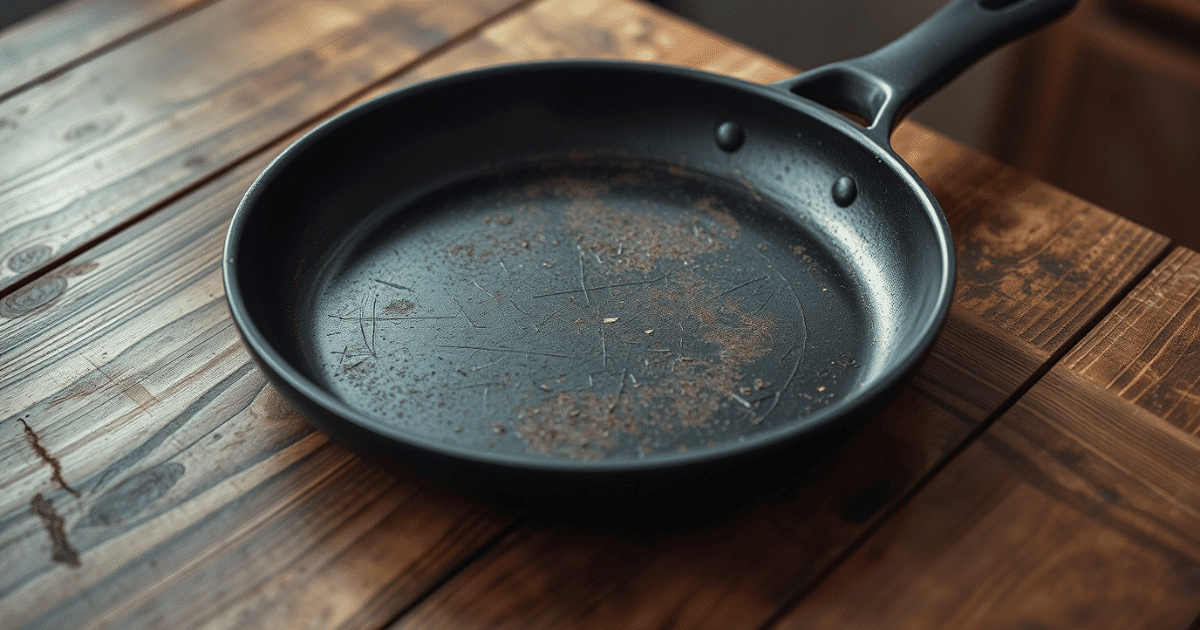
I never expected a scratched nonstick pan to launch my journey into healthier living. But there I was, staring at my beloved pan’s flaking surface one morning while making my breakfast, wondering if those tiny black specks in our eggs were just pepper – or something more concerning.
Nonstick pans are essential tools in every kitchen, making cooking a breeze and cleanup a snap. However, over time, their nonstick coating can wear off, causing food to stick and cooking times to become inconsistent.
Knowing when should you replace your nonstick pans can save you from unnecessary frustration and ensure you continue to enjoy hassle-free cooking. My research revealed something shocking: the majority of households keep their nonstick pans well past their safe usage period, potentially exposing their families to harmful compounds.
Whether you’re a gourmet chef or a weekend warrior in the kitchen, this guide will provide you with all the information you need to make an informed decision. From understanding the lifespan of nonstick pans to recognizing signs of wear and tear, we’ve got you covered.
Let’s dive in and discover when to say goodbye to your nonstick pans and hello to cooking perfection.
The Lifespan of Nonstick Pans
When it comes to nonstick pans, understanding their lifespan is crucial for maintaining an efficient and safe kitchen. Typically, most nonstick pans last between three to five years, depending on the quality of the pan and how frequently it is used.
Higher-end models may last longer due to superior materials and craftsmanship, while budget-friendly options might wear out more quickly. It’s important to remember that regular use, combined with improper care, can significantly shorten the lifespan of even the best nonstick cookware.
The wear and tear of nonstick pans often manifest as scratches, chips, or peeling of the coating. These issues can arise from using metal utensils, abrasive cleaning agents, or simply from the daily rigors of cooking.
Additionally, the type of heat used can affect how long a nonstick pan lasts. High heat can degrade the nonstick surface faster than medium or low heat, making it essential to follow the manufacturer’s recommendations regarding temperature settings.
To ensure you’re making the most of your nonstick pans, it’s wise to adopt a proactive approach. Keep track of when you purchased each pan and assess their condition regularly. By doing so, you can better gauge when it’s time to replace your cookware before it becomes a problem in the kitchen.
Investing in quality nonstick pans and taking care of them can enhance their longevity, ensuring you enjoy countless delicious meals without the hassle of food sticking to the surface.
Signs That Indicate It’s Time to Replace Your Nonstick Pan
Identifying the signs that your nonstick pan needs replacing is essential for maintaining a seamless cooking experience. One of the most obvious indicators is a visibly damaged nonstick coating. If you notice scratches, chips, or any peeling, it’s time to consider a new pan.
Cooking with a damaged nonstick surface can lead to food sticking, which defeats the purpose of using such cookware in the first place. Moreover, these imperfections can harbor bacteria and make cleaning more difficult, leading to potential hygiene issues.
Another sign that your nonstick pan has seen better days is when food starts to stick despite following proper cooking techniques. If your once reliable pan now requires extra oil or butter to prevent sticking, this is a clear indication that its nonstick properties have diminished. This change can lead to uneven cooking and frustrating mealtimes, signaling that a replacement is in order.
Lastly, a change in the pan’s appearance can also be a cause for concern. If your nonstick pan has developed a warped shape or has discolored significantly, this can affect its performance and cooking efficiency.
Uneven surfaces can lead to hot spots and inconsistent cooking, while discoloration might indicate that the surface is breaking down. If you notice any of these signs, it’s time to start looking for a new nonstick pan to ensure your cooking experiences remain enjoyable and effective.
Health Risks Associated with Using Old or Damaged Nonstick Pans
Using old or damaged nonstick pans can pose serious health risks that are often overlooked. One of the primary concerns is the potential release of toxic substances from degraded nonstick coatings, particularly those made with polytetrafluoroethylene (PTFE) and perfluorooctanoic acid (PFOA).
When these coatings are scratched or heated beyond recommended temperatures, they may release harmful fumes that can lead to flu-like symptoms in humans and can be fatal to smaller pets like birds.
Additionally, if the nonstick coating begins to flake off and mixes with food, it can be ingested unknowingly. While small amounts of PTFE are generally considered non-toxic, consuming larger quantities over time can lead to health complications.
The long-term effects of ingesting particles from damaged pans are still being studied, but it’s better to err on the side of caution and replace any cookware that shows signs of wear.
Lastly, the buildup of bacteria can become a significant health concern in old nonstick pans. Scratches and chips create crevices where food particles can become trapped, making it impossible to clean thoroughly.
This can lead to the growth of harmful bacteria that can contaminate food, potentially resulting in foodborne illnesses. Therefore, prioritizing the condition of your nonstick cookware is crucial for both your health and well-being in the kitchen.
Factors to Consider When Replacing Your Nonstick Pan
When the time comes to replace your nonstick pan, several factors should be taken into account to ensure you make a wise investment. First and foremost, consider the type of nonstick coating that best suits your cooking style.
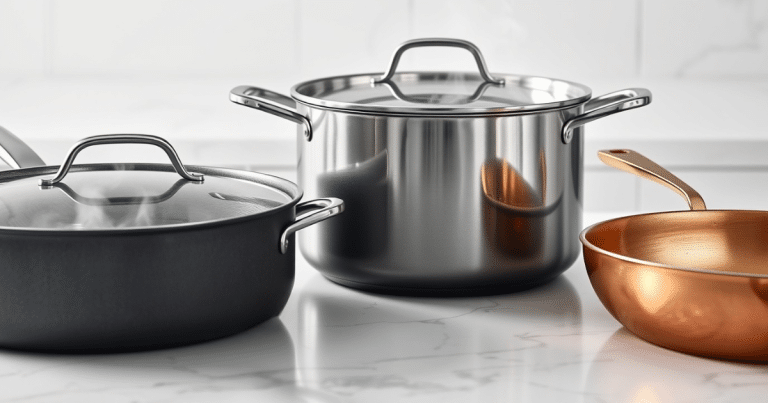
Options such as ceramic, Teflon, and anodized aluminum each have unique properties that can impact performance and longevity. For instance, ceramic coatings tend to be more environmentally friendly and resistant to scratches, whereas traditional Teflon pans may offer better nonstick performance but require more cautious handling.
Another important factor is the size and shape of the pan. Depending on your cooking habits, you may need a variety of sizes to accommodate different recipes. A standard 10-inch skillet is versatile for many dishes, but if you often cook for a family or enjoy preparing larger meals, investing in a larger pan or a set of various sizes may be beneficial. Additionally, consider the handle design and material, as a comfortable grip can make a significant difference during cooking.
Lastly, price and brand reputation play critical roles in your decision. While it might be tempting to opt for a cheaper option, investing in a higher-quality nonstick pan can ultimately save you money in the long run by providing better durability and performance.
Research brands that have a good track record for quality and customer satisfaction. Reading reviews and seeking recommendations can help guide you toward the best choice for your kitchen needs.
Different Types of Nonstick Coatings and Their Durability
Understanding the various types of nonstick coatings available can help you make an informed choice when purchasing new cookware. One popular option is Teflon, which is known for its exceptional nonstick properties and ease of cleaning. Teflon pans are generally very affordable and widely available. However, they may not be the most durable choice, as high heat can damage the coating, and metal utensils can easily scratch the surface.
Ceramic-coated pans have gained popularity in recent years due to their eco-friendliness and ability to withstand higher temperatures without degrading. These pans are often free from harmful chemicals like PFOA and PTFE, making them a safer choice for health-conscious cooks. However, it is important to note that while they are generally more durable than Teflon, they may still wear down over time and require careful handling to avoid chipping.
Another option to consider is anodized aluminum, which is often more durable than traditional nonstick coatings. This type of cookware is created by treating aluminum with an electrochemical process that makes the surface harder and more resistant to scratches.
While anodized aluminum pans can be more expensive, they offer excellent heat distribution and can last for many years with proper care. Understanding the differences in nonstick coatings can help you select pans that align with your cooking preferences and lifestyle.
Proper Care and Maintenance of Nonstick Pans to Extend Their Lifespan
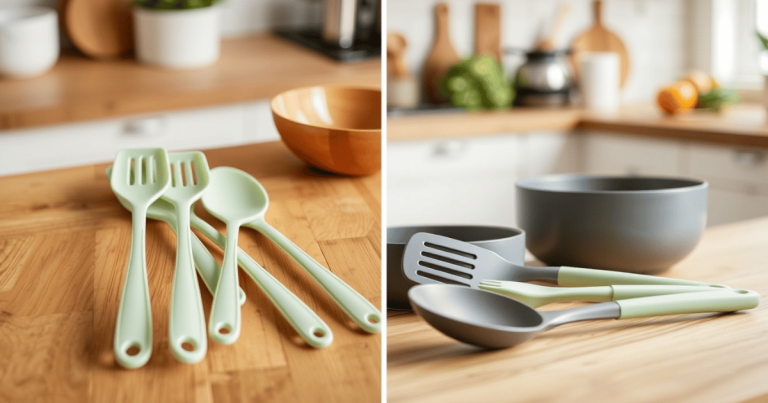
To maximize the lifespan of your nonstick pans, proper care and maintenance are essential. One of the most important tips is to avoid using metal utensils, which can scratch and damage the nonstick surface. Instead, opt for silicone, wood, or plastic utensils that are gentle on the coating. This small change can significantly prolong the life of your cookware and ensure it continues to perform well.
Another key aspect of maintenance is cooking at the right temperatures. Nonstick pans should generally be used on low to medium heat to prevent overheating and damaging the coating. High heat can break down the nonstick properties and lead to the release of harmful fumes. Always refer to the manufacturer’s guidelines regarding temperature settings to ensure you are using your pans safely and effectively.
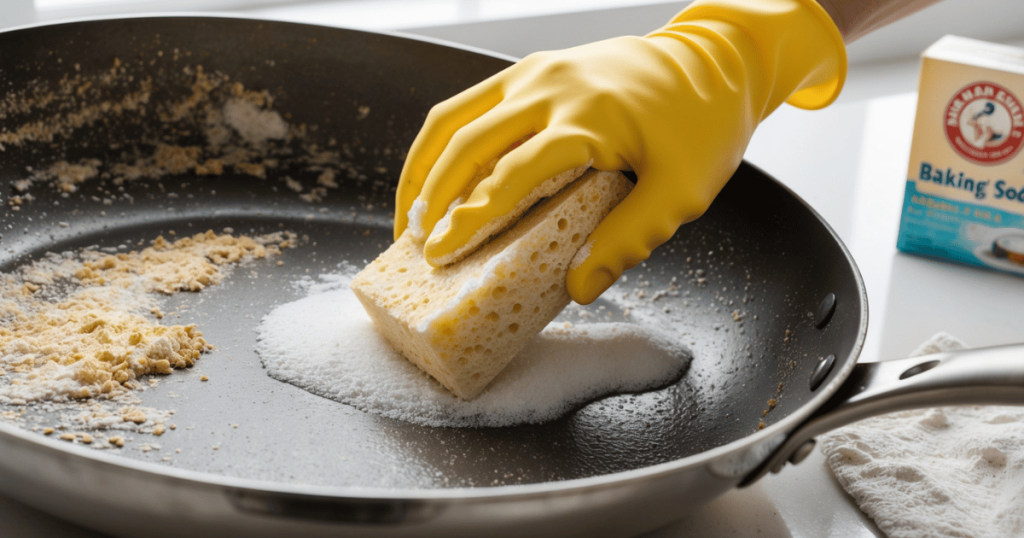
Cleaning your nonstick pans correctly is just as important as how you cook with them. After each use, avoid abrasive sponges and harsh cleaning agents that can scratch the surface. Instead, use a soft sponge or cloth with warm, soapy water to clean your pans. For stubborn residues, soaking the pan for a few minutes before washing can help loosen food particles without causing damage. By implementing these care tips, you can enjoy your nonstick pans for many years to come.
Alternatives to Nonstick Pans
While nonstick pans offer convenience, there are several alternatives worth considering that can provide excellent cooking performance without the potential issues associated with nonstick surfaces.
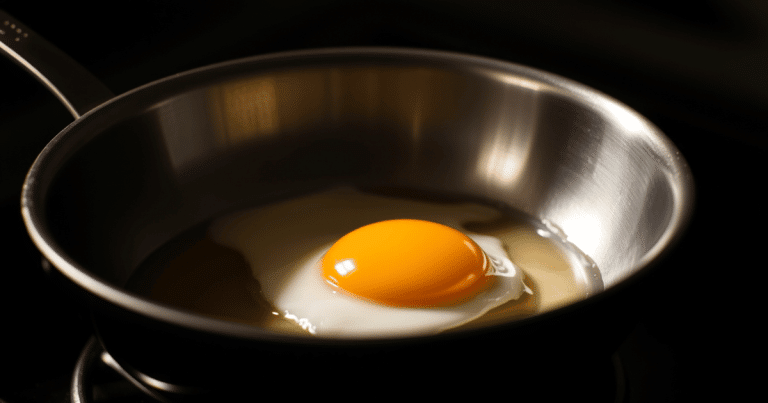
Stainless steel cookware is a popular choice among professional chefs and home cooks alike. Known for its durability and resistance to scratching, stainless steel can handle high heat and provides even cooking when used properly. While it may require more oil to prevent sticking, many cooks appreciate the ability to achieve a beautiful sear on meats and vegetables.
Cast iron pans are another fantastic alternative that adds a unique flavor to dishes. They are incredibly versatile, able to transition from stovetop to oven with ease. While they require a bit more maintenance, such as seasoning to maintain their nonstick qualities, cast iron pans can last a lifetime when cared for properly. They also have excellent heat retention, making them ideal for slow cooking and baking.

Lastly, consider using ceramic cookware as a nonstick alternative. Ceramic pans are free from harmful chemicals, provide a nonstick surface, and are often dishwasher safe. They can withstand high temperatures and are available in various sizes and styles. However, they may not be as durable as stainless steel or cast iron, so it’s essential to handle them with care. Exploring these alternatives can help diversify your cooking tools while maintaining a safe and enjoyable cooking environment.
How to Choose a New Nonstick Pan
Choosing a new nonstick pan can feel overwhelming given the multitude of options available on the market. Start by determining the size and type you need based on your cooking habits. A versatile skillet in the 10 to 12-inch range is great for most tasks, but if you often prepare larger meals or cook for a family, you may want a larger pan or a set that includes multiple sizes.
Next, consider the type of nonstick coating that best suits your preferences. If you prioritize eco-friendliness, ceramic-coated options are a great choice. For those who desire high performance and durability, look for pans made with quality Teflon or anodized aluminum. Don’t forget to check for any certifications or safety standards that the cookware meets, as this can provide peace of mind regarding potential health risks.

Finally, pay attention to the brand reputation and read customer reviews before making a purchase. Established brands often have a history of producing quality cookware, and customer feedback can provide insight into the performance and durability of specific models. By taking your time to research and consider these factors, you can confidently choose a nonstick pan that meets your cooking needs and preferences.
Conclusion
Replacing your nonstick pans is an important aspect of maintaining a well-functioning kitchen. By understanding the lifespan of these pans, recognizing the signs that indicate it’s time for a replacement, and being aware of any health risks associated with old cookware, you can make informed decisions that enhance your cooking experience.
When the time comes to purchase new nonstick cookware, consider factors such as the type of coating, size, and brand reputation to ensure you choose the right pan for your needs. Additionally, practicing proper care and maintenance can significantly extend the life of your pans, allowing you to enjoy hassle-free cooking for years to come.
Ultimately, whether you opt for traditional nonstick pans or explore alternatives like stainless steel, cast iron, or ceramic, the goal is to create a safe and enjoyable cooking environment. With the right knowledge and tools, you can elevate your culinary skills and enjoy delicious meals without the frustration of food sticking to the pan. Happy cooking!
To learn about more ways to transform your home, check out The Ultimate Non-Toxic Home Guide: Live Healthier in 2024.