
Health Benefits of Cooking with Non-Toxic Cookware: Safer Options
Here’s a startling fact: traditional non-stick cookware can release harmful fumes at temperatures as low as 464°F (240°C)! As someone who’s spent years researching and testing different cookware options, I’ve learned that what we cook with is just as important as what we cook.
After I was diagnosed with an autoimmune condition, my family became hyper-aware of environmental toxins, including those lurking in our cookware. Through extensive research and personal experience, I’ve discovered how switching to non-toxic cookware can significantly impact our health.
Let me share what I’ve learned about making your kitchen safer and the health benefits of cooking with non-toxic cookware!
Understanding Common Cookware Toxins
When I first started investigating cookware toxins, I was completely overwhelmed. Who knew that those “convenient” non-stick pans could be releasing so many harmful chemicals into our food? Let me break down what I’ve learned in a way that actually makes sense.
PTFE
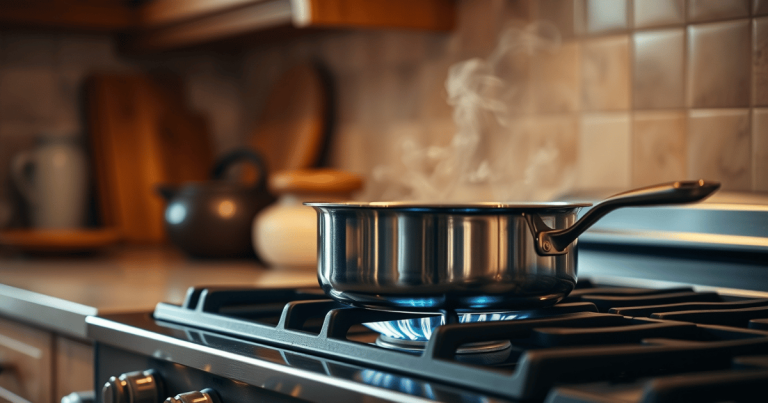
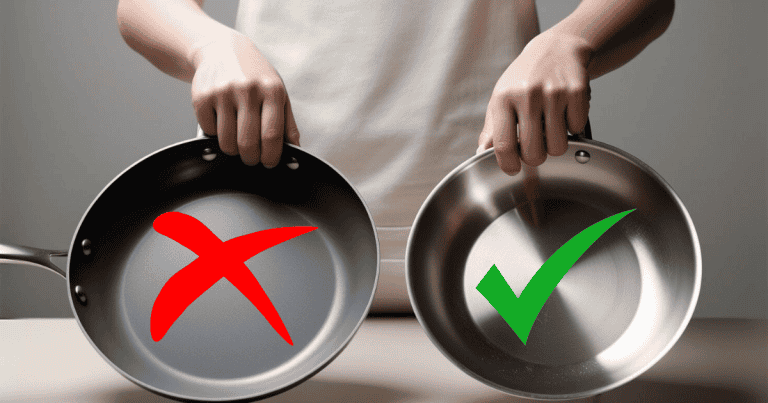
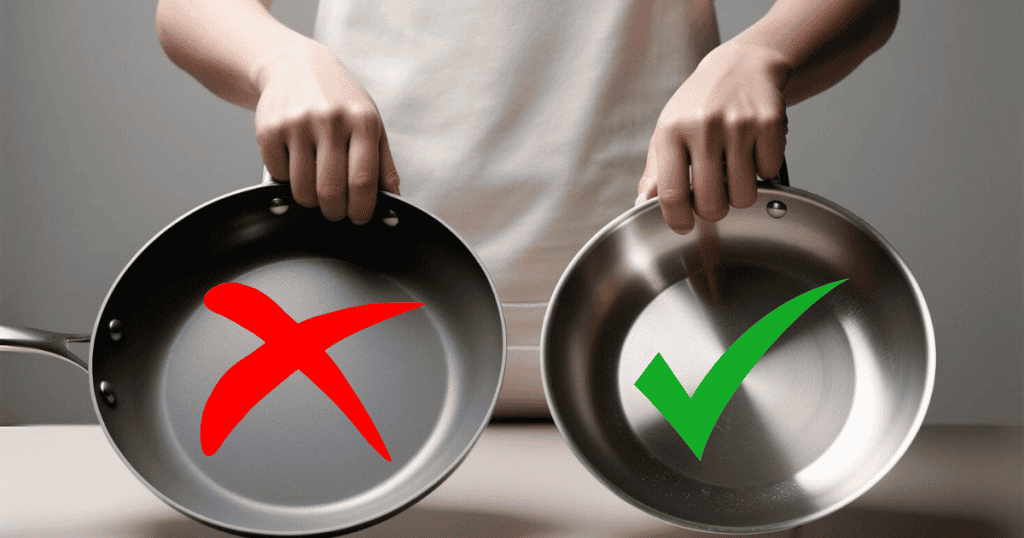
The biggest culprit in traditional non-stick cookware is polytetrafluoroethylene (PTFE), better known as Teflon. I remember the day I accidentally left a non-stick pan on high heat while I quickly went to put clothes in the dryer. The resulting fumes gave me a headache – that’s when I learned about “polymer fume fever” and threw out every non-stick pan in our kitchen!
PFOA
Another sneaky toxin is PFOA (perfluorooctanoic acid), which was used in the manufacturing of non-stick coatings until 2013. Even though it’s been phased out, many older pans still contain this chemical. When these pans get scratched (and let’s be honest, they always do), tiny particles can flake off into your food.
Aluminum
Aluminum cookware presents another concern. While aluminum itself is everywhere in nature, cooking acidic foods in aluminum pots can cause the metal to leach into your food. I learned this the hard way after making tomato sauce in an aluminum pot – the metallic taste was unmistakable!
What really opened my eyes was learning about the symptoms of cookware toxin exposure. Headaches, flu-like symptoms, and even hormone disruption can be linked to cooking with toxic materials. The scariest part? These symptoms often develop so gradually that many people don’t make the connection to their cookware.
Safest Non-Toxic Cookware Materials
After my cookware awakening, I went on a mission to find the safest options available. I’ve tested pretty much everything out there, and let me tell you – not all “safe” cookware is created equal!
Cast Iron
Cast iron has become my absolute favorite. Yes, it’s heavy (I definitely count cooking as my arm workout), but it’s virtually indestructible and actually adds beneficial iron to your food. One tip I wish I’d known earlier: pre-seasoned cast iron isn’t always truly seasoned. I spent a weekend properly seasoning my pans, and they’re now more non-stick than any chemical coating!

Stainless Steel
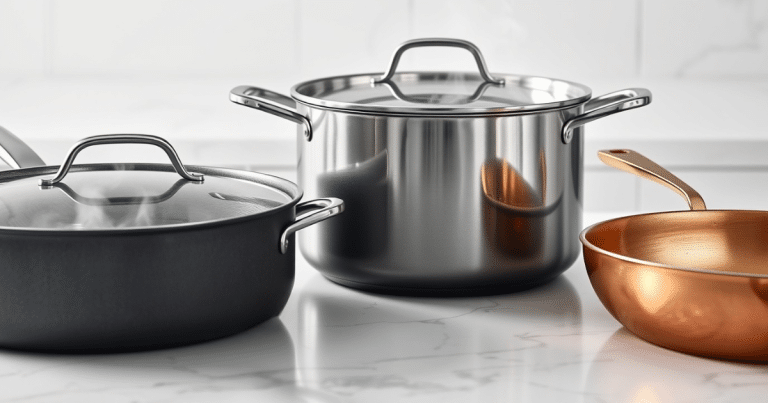
Stainless steel is another winner, especially for acidic foods. Look for 18/10 stainless steel – this ratio of chromium to nickel provides the best durability and resistance to leaching. I use my stainless steel pots for everything from soups to pasta, and they clean up beautifully with just a bit of Bar Keepers Friend.
Ceramic
Pure ceramic cookware (not ceramic-coated) has been a game-changer for gentle cooking. It’s completely inert, meaning nothing leaches into your food. The downside? It can be pretty pricey, and you need to handle it with care. I learned that lesson when I accidentally thermal-shocked my favorite ceramic skillet by placing it under cold water while hot – crack!
Glass
Glass cookware, particularly borosilicate glass, is fantastic for baking and storage. It’s completely non-reactive and lets you see what’s cooking. Just be aware that it doesn’t conduct heat as evenly as metal options.

Health Benefits of Non-Toxic Cookware
The health benefits of switching to non-toxic cookware have been nothing short of amazing. The most immediate change I noticed was the disappearance of those mysterious headaches I used to get while cooking. But the benefits go way beyond that!
One of the most significant advantages is the reduction in endocrine-disrupting chemicals. These sneaky compounds can mess with our hormones and are particularly concerning for developing children and teenagers.
The nutrient retention in food cooked in non-toxic cookware is notably better. I did a little experiment cooking spinach in my old non-stick pan versus my cast iron skillet. The spinach from the cast iron not only tasted better but also had a deeper green color, indicating better nutrient preservation. Plus, cooking in cast iron adds a small amount of dietary iron to your food – nature’s own iron supplement!
For people with sensitive immune systems, like my mom, non-toxic cookware has been a game-changer. She noticed a significant reduction in her inflammation markers after we switched her kitchen to all stainless steel and cast iron. Her doctor was impressed with the improvement and now recommends safe cookware to other patients with autoimmune conditions.
How to Choose the Right Non-Toxic Cookware
Choosing the right non-toxic cookware can feel overwhelming – trust me, I’ve been there! After spending countless hours researching and probably too much money testing different options, I’ve developed a foolproof system for selecting safe cookware.
First, consider your cooking style. I love my cast iron for high-heat cooking and searing, but I also keep stainless steel pans for acidic foods like tomato sauces. If you’re just starting out, I’d recommend beginning with a good quality stainless steel set – it’s the most versatile option.
When it comes to quality indicators, weight is usually a good sign. I once bought a lightweight stainless steel pan that claimed to be professional grade – it warped after two uses! Look for heavy-bottomed pans that feel substantial. For stainless steel, check that the handles are securely riveted and the bottom is completely flat.
Brand reputation matters, but expensive doesn’t always mean better. Some of my favorite pieces are from Lodge (cast iron) and Cuisinart (stainless steel). Yes, there are fancier brands out there, but these workhorses have served me well for years. That said, when it comes to ceramic cookware, I do recommend investing in higher-end brands like Xtrema or Pure Ceramic – the quality difference is noticeable.
Maintaining Your Non-Toxic Cookware
Let’s talk about keeping your healthy cookware in tip-top shape! Proper maintenance not only extends the life of your cookware but also ensures it remains safe to use. I’ve learned some valuable lessons about care and maintenance, often through trial and error.
Stainless Steel
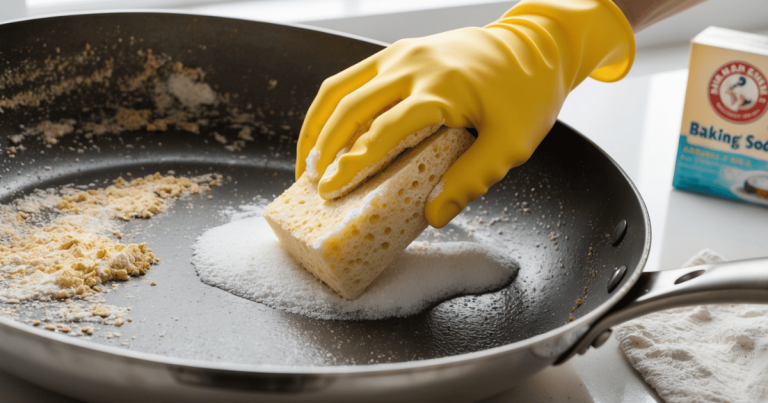
The key to maintaining stainless steel is to never, ever use metal scrubbers! I ruined my first set by being too aggressive with cleaning. Now I soak tough residue in warm water and use Bar Keepers Friend for stubborn stains. For daily cleaning, warm soapy water and a soft sponge do the trick.

Cast Iron
Cast iron requires a different approach entirely. The biggest mistake people make is using soap – it strips the seasoning! I clean my cast iron with hot water and a stiff brush, dry it immediately, and apply a thin layer of oil while it’s still warm. This routine keeps the surface non-stick and rust-free.
Storage
Storage is crucial too. I learned to stack my pans with protective layers between them after finding scratches on my ceramic cookware. For cast iron, I use paper towels between pans to absorb any moisture and prevent rusting.
Know when to say goodbye – this can be tough! If you notice deep scratches, warping, or any coating starting to flake, it’s time for replacement. I keep a close eye on my stainless steel pans for signs of pitting, which can indicate the material is beginning to break down.
Key Takeaways
Making the switch to non-toxic cookware is an investment in your family’s health. With proper care and maintenance, these safer alternatives can last for generations while protecting you from harmful chemicals. Remember, every meal you cook in safer cookware is a step toward better health. Ready to transform your kitchen into a truly healthy cooking space?
Start small if you need to – maybe replace your most-used pan first. Pay attention to how different materials work with your cooking style and gradually build your collection of safe cookware. Your body (and your food!) will thank you for making this important change. Here’s to healthier cooking and peace of mind in knowing exactly what’s going into your meals!
To learn about more ways to transform your home, check out The Ultimate Non-Toxic Home Guide: Live Healthier in 2024.
What is the safest cookware to use for health?
Cast iron, stainless steel, ceramic, and glass are amongst the safest non-toxic cookware materials available
How does non-stick pans affect your health?
Headaches, flu-like symptoms, and even hormone disruption can be linked to cooking with toxic materials, such as non-stick.