Why Is Non-Stick Cookware Bad for Health? Science-Based Guide
I remember standing in my kitchen one morning, making what I thought was a healthy breakfast, when I noticed my “trusty” non-stick pan starting to peel. That moment sent me down a rabbit hole of research that completely changed how I think about cookware safety.
As an engineer turned health advocate, I found myself constantly researching “why is non-stick cookware bad for health.” What I discovered about these convenient cooking tools was concerning, and it completely changed how I cook my family’s meals.
By the end of this guide, you’ll understand exactly how non-stick cookware can impact your health and, more importantly, what you can do about it. Take a moment right now to walk into your kitchen and check your cookware – those scratched and peeling non-stick pans might be telling you something important.
Ready to protect your family’s health? Let’s dive into the science behind non-stick cookware and discover safer alternatives that don’t compromise on convenience!
Key Takeaways
🔑 Non-stick cookware contains PFAS “forever chemicals” that accumulate in our bodies and never break down in the environment.
🔑 These pans release toxic fumes when heated above 500°F, which can cause flu-like symptoms known as polymer fume fever.
🔑 Scientists have linked PFAS exposure to various health issues, including:
- Liver problems
- Higher cholesterol
- Weakened immune system
- Thyroid disruption
- Fertility issues
🔑 “PFOA-free” labels don’t guarantee safety, as manufacturers often replace these chemicals with similar harmful compounds.
🔑 Safer alternatives include:
- Cast iron cookware
- Stainless steel pots and pans
- True ceramic cookware (PFAS-free)
- Glass and enamel-coated options
🔑 Replace non-stick pans immediately if you notice peeling, flaking, or excessive scratches, as these increase chemical exposure.
Understanding PFAS: The “Forever Chemicals” in Non-Stick Coatings
Let’s get a bit nerdy for a moment – but don’t worry, I’ll keep it simple! PFAS (per- and polyfluoroalkyl substances) are the chemical compounds that make non-stick cookware, well, non-stick. During my research, I was stunned to learn that these chemicals are called “forever chemicals” because they practically never break down in the environment or our bodies.
Here’s what really got me: these chemicals don’t just stay in our pans. They gradually leach into our food and accumulate in our bodies over time. In fact, studies have found PFAS in the blood of 97% of Americans! As an engineer, I appreciate efficiency, but not when it comes at the cost of our health.
The tricky part? Many companies now advertise their products as “PFOA-free” (a specific type of PFAS), leading us to believe they’re safe. But here’s the catch – they often replace PFOA with similar chemicals that might be just as harmful. It’s like replacing one problematic ingredient with its equally troublesome cousin!
Health Risks Associated with Non-Stick Cookware
When I first started investigating the health impacts of non-stick cookware, I was honestly tempted to throw out every coated pan in my kitchen. The research I found was pretty eye-opening. Let me share what I learned, but remember – knowledge is power, not a reason to panic!
The main concern comes from how these pans behave when heated. At temperatures above 500°F (which is easier to reach than you might think!), non-stick coatings can release toxic fumes. These fumes can cause something called “polymer fume fever” – I actually experienced this once before I knew better, and let me tell you, those flu-like symptoms were not fun!
But it’s not just about the fumes. Studies have linked PFAS exposure to several health issues:
- Liver function problems
- Increased cholesterol levels
- Weakened immune system
- Thyroid disruption
- Reduced fertility
What really concerns me as a health advocate is how these chemicals affect vulnerable populations. Pregnant women and young children are particularly susceptible to the effects of PFAS exposure. As someone who believes in evidence-based wellness, I can’t ignore the growing body of research showing these connections.
When Non-Stick Cookware Becomes Dangerous
Through my engineering lens, I’ve analyzed exactly when and how non-stick cookware becomes risky. The tipping point isn’t just about age – it’s about how we use these pans. I learned this the hard way when I accidentally left a pan on high heat while I took the garbage out. That mistake taught me an important lesson about cookware safety!
Here are the key danger zones I’ve identified:
- High heat cooking (above 500°F)
- Preheating empty pans
- Using metal utensils that scratch the surface
- Visible peeling or flaking of the coating
One thing that really surprised me in my research was how quickly a non-stick pan can reach dangerous temperatures. In my own kitchen experiments (yes, I’m that kind of nerd!), I found that a non-stick pan on high heat can reach 500°F in just 2-3 minutes.
Safer Alternatives to Non-Stick Cookware
After discovering the risks of non-stick cookware, I went on a mission to find safer alternatives. As an engineer, I tested various options to find the perfect balance of safety, functionality, and ease of use. Here’s what I’ve found works best:
Cast Iron: This has become my absolute favorite! Yes, it took some getting used to (and some arm strength!), but once properly seasoned, it’s naturally non-stick. Plus, it actually adds beneficial iron to your food – how cool is that? I love using my cast iron for everything from cornbread to seared vegetables.
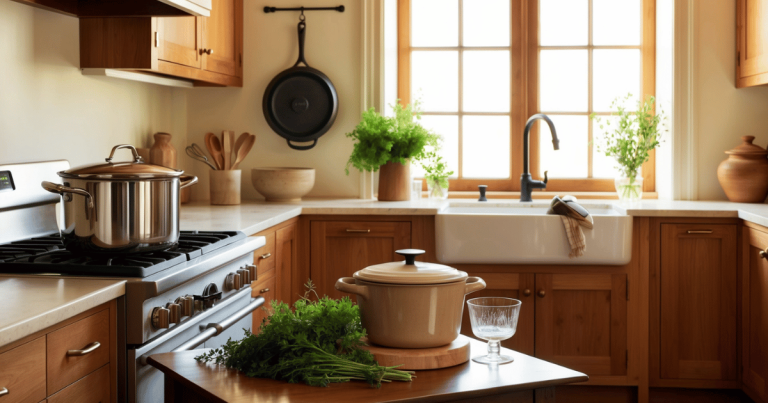
Stainless Steel: My go-to for soups and sauces. The key is understanding the right temperature and using enough oil. I’ve developed a simple test: if water beads and dances on the surface, it’s at the perfect temperature for adding oil and starting to cook.
Ceramic Cookware: This has been a game-changer for gentle cooking. Just be sure to choose high-quality options without PFAS-based coatings. I use my ceramic pan for delicate items like eggs and fish.
How to Safely Phase Out Your Non-Stick Cookware
When I decided to transition away from non-stick cookware, I knew I needed a systematic approach (the engineer in me wouldn’t have it any other way!). Here’s the method I developed and now share with all my readers:
Start with an inventory of your current cookware. Prioritize replacing pans that show signs of wear or are used at high temperatures. Don’t feel pressured to replace everything at once – this can be a gradual process that fits your budget and lifestyle.

I began by replacing my most-used pan first (it was my egg pan!), then worked my way through the rest of my collection. For proper disposal, I researched local recycling programs that handle non-stick cookware, as these items require special processing.
Conclusion
Understanding why is non-stick cookware bad for health has completely transformed my approach to cooking. After diving deep into the research and completely transforming my own kitchen, I can confidently say that moving away from non-stick cookware is worth the effort.
The science is clear: these convenient cooking tools can pose serious risks to our health through chemical exposure and toxic fumes.
The question of why non-stick cookware is bad for health might seem overwhelming at first, but making the switch to safer alternatives doesn’t have to be. Yes, there’s a learning curve with alternative cookware, but the peace of mind knowing you’re protecting your family’s health is priceless.
Remember, this isn’t about perfection – it’s about making informed choices for your health. Start small, maybe with that one pan you use every morning, and build from there. Your future self will thank you!
FAQs
Are all non-stick pans toxic?
While not all non-stick pans are equally concerning, most conventional non-stick coatings contain PFAS chemicals that can pose health risks when degraded or overheated.
How long do non-stick pans last before becoming dangerous?
Generally, non-stick pans last 2-5 years with proper care. However, if you notice any peeling, flaking, or excessive scratches, it’s time to replace them immediately.
Can scratched non-stick pans cause cancer?
While direct causation hasn’t been established, scratched non-stick pans can release more chemicals into food. Several PFAS compounds have been linked to increased cancer risks in research studies.
Is ceramic coating safer than Teflon?
True ceramic coatings without PFAS are generally safer than Teflon. However, it’s important to verify that “ceramic” coatings are genuinely PFAS-free, as some may still contain these chemicals.