
Are Nylon Cooking Utensils Safe? A Science-Based Guide for 2025
You’re stirring a pot of simmering pasta sauce when you notice something concerning – your trusty nylon spoon feels softer than usual. Like many home cooks, I found myself wondering: are nylon cooking utensils safe?
As an engineer who’s passionate about creating healthy home environments, this exact scenario led me down a fascinating rabbit hole of research.
Here’s what shocked me: while many nylon utensils claim to be heat-resistant up to 450°F, independent testing shows some start degrading at much lower temperatures.
But don’t throw out your nylon utensils just yet! Through extensive testing and research, I’ve discovered which nylon tools actually live up to their safety claims and which ones you should avoid.
In this comprehensive guide, I’ll share my findings on the safest nylon cooking utensils for 2025, backed by real-world kitchen experience. Whether you’re concerned about chemical leaching or just want the most durable tools for your kitchen, I’ve got you covered with data-driven recommendations that will help you make informed choices for your family’s health.
Key Takeaways
🔍 Safety First
- High-quality nylon utensils made from PA66 material are safe up to 450°F
- Look for BPA-free certification and seamless construction
- Replace utensils at first signs of melting, discoloration, or surface changes
⚡ Quick Facts
- Best Material: PA66 nylon offers superior heat resistance and durability
- Safe Temperature Range: Keep under 400°F for regular use
- Lifespan: 2-3 years with proper care and maintenance
- Top Pick: OXO Good Grips Professional Nylon Set for best overall safety and durability
💡 Smart Tips
- Store utensils vertically to maintain shape
- Use top rack dishwasher only
- Avoid leaving utensils in hot pots/pans
- Check for heat resistance certification before purchasing
⚠️ Warning Signs
- Melting or deformation
- Surface scratches
- Color changes
- Strong odors
- Flexibility changes
Best Safe Nylon Cooking Utensils for 2025
After testing dozens of nylon utensils and analyzing their heat resistance, durability, and safety features, these five options stood out as the clear winners for safety and performance.
1. OXO Good Grips Professional Nylon Set
When it comes to combining safety with functionality, the OXO Good Grips Professional line impressed me with its attention to detail and robust construction.

Key Benefits
- Made from PA66 nylon with a confirmed heat resistance of 450°F
- Seamless construction prevents bacteria buildup
- Ergonomic handles with non-slip grip
- BPA and phthalate-free certification
- Reinforced construction at stress points
Pros
Cons
2. Di Oro Seamless Series Set
After rigorous testing, the Di Oro Seamless Series emerged as a standout performer, particularly in terms of heat resistance and durability.

Key Benefits
- Seamless one-piece construction eliminates bacterial growth points
- Verified heat resistance up to 600°F
- Innovative fiber-reinforced nylon composition
- LFGB certified (stricter than FDA standards)
- Lifetime guarantee
Pros
Cons
3. KitchenAid Professional Line Nylon Series
The KitchenAid Professional Line surprised me with its thoughtful engineering and attention to safety details.

Key Benefits
- Reinforced PA66 nylon construction
- Heat-resistant up to 450°F with safety indicators
- Ergonomic soft-grip handles with thumb rest
- Color-coded for different cooking tasks
- Dishwasher-safe with special heat shields
Pros
Cons
4. Joseph Joseph Elevate Collection
The Joseph Joseph Elevate Collection brings innovative design features that address common hygiene concerns.

Key Benefits
- Weighted handles with tool-rest technology
- High-grade PA66 nylon with heat resistance to 392°F
- Built-in antimicrobial protection
- Unique tool-rest design keeps utensil heads off counters
- Reinforced stress points
Pros
Cons
5. Anolon SureGrip Series
The Anolon SureGrip Series stands out for its professional-grade construction and attention to ergonomic design.

Key Benefits
- Professional-grade PA66 nylon construction
- SureGrip technology for enhanced control
- Heat-resistant to 450°F with safety markers
- Reinforced edges for durability
- Silicone-enhanced grip zones
Pros
Cons
Each product has been evaluated for heat resistance, durability, ease of use, and overall safety features. The pricing information is current as of early 2025, but may vary by retailer and location.
Understanding Nylon Cooking Utensils
Nylon comes in two main types used for cooking utensils: PA6 and PA66. Think of PA6 as your economy car and PA66 as your luxury vehicle – both will get you there, but PA66 offers superior performance and safety features.
Through my testing, I’ve found that PA66 nylon consistently maintains its structural integrity up to 450°F, while PA6 can begin softening at lower temperatures. (And if you’re interested in how different cookware materials perform under heat, check out our comprehensive guide to the Safest Cookware Materials.)
One of the most interesting discoveries in my research was how the manufacturing process affects safety. During production, nylon utensils go through a process called polymerization. The quality of this process directly impacts the tool’s heat resistance and durability.
Safety Concerns with Nylon Kitchen Tools
I’ll never forget the day I left my favorite nylon spatula resting against the edge of a hot pan, only to find it slightly melted and deformed. This experience led me to dive deep into the real safety concerns we should be watching for with nylon utensils.
Through extensive testing in my own kitchen, I’ve identified three main safety concerns we need to consider:
- Heat Degradation: When nylon utensils are exposed to temperatures beyond their resistance rating, they can begin to break down. This isn’t just about melting – even subtle changes in the material’s structure can occur at lower temperatures than you might expect. I’ve observed that repeated exposure to temperatures near (but below) the maximum rating can cause cumulative damage over time.
- Chemical Migration: High-quality nylon utensils are designed to be stable, but lower-quality ones can potentially release trace amounts of chemicals when exposed to heat and acidic foods. The key is understanding the difference between food-grade nylon and lower-quality alternatives.
- Physical Wear: Through my testing, I’ve noticed that the early signs of degradation aren’t always obvious. Small surface changes, like roughness or discoloration, can indicate that your utensil is beginning to break down and might need replacement.
Benefits of High-Quality Nylon Utensils
The first thing that won me over was their non-scratch properties. As someone who invested in high-end non-stick cookware, I was thrilled to discover that quality nylon utensils won’t leave a single mark, even with daily use.
But here’s what really surprised me: the durability factor. High-quality nylon utensils, particularly those made with PA66 nylon, show remarkable resilience to daily wear and tear.
I’ve had some of my premium nylon tools for over three years now, and they’re still going strong. When you consider that a good set might cost $30-40 but last several years, the cost-per-use is actually quite low.
The ergonomics also deserve mention. Most premium nylon utensils weigh between 4-6 ounces – light enough for comfortable handling but heavy enough to feel substantial. I’ve found this sweet spot particularly important when cooking larger meals that require extended periods of stirring or mixing.
Buyers Guide: How We Test Nylon Utensils
When evaluating nylon cooking utensils, I developed a comprehensive testing protocol that combines both laboratory-style testing and real-world usage scenarios. Here’s exactly how we conducted our research:
- Heat Resistance Testing
- Exposure tests at varying temperatures (350°F, 400°F, 450°F)
- Continuous heat exposure for 10-minute intervals
- Assessment of structural changes using digital calipers
- Documentation of any visible deformation or material changes
- Material Quality Assessment
- Visual inspection under magnification
- Flexibility testing at room temperature
- Edge and surface smoothness evaluation
- Weight consistency measurements
- Durability Evaluation
- 30-day intensive use testing in real cooking scenarios
- Dishwasher cycling (30 cycles)
- Impact resistance testing
- Stain resistance with common food items
- Usage Testing
- Comfort grip evaluation
- Balance point measurement
- Effectiveness with different food textures
- Edge and tip functionality assessment
- Value Analysis
- Price comparison across major retailers
- Warranty evaluation
- Cost per estimated lifespan
- Replacement policy assessment
Proper Care and Maintenance
Temperature management is absolutely critical. While high-quality nylon utensils can handle brief exposure to high temperatures, I’ve found that consistently keeping them below 400°F significantly extends their lifespan. Here’s a practical tip: if you can’t comfortably hold your hand 6 inches above the pan for 5 seconds, it’s too hot for your nylon utensils.
When it comes to cleaning, I’ve developed a specific routine that works wonders:
- Rinse immediately after use (this prevents food from drying and staining)
- Wash with warm (not hot) soapy water
- If using the dishwasher, place tools on the top rack only
- Allow to air dry completely before storing
Storage might seem straightforward, but I’ve noticed that how you store your utensils can significantly impact their longevity. I recommend:
- Storing vertically in a utensil holder when possible
- Avoiding cramped drawers where tools can get bent
- Keeping them away from direct heat sources
- Separating them from metal utensils to prevent scratching
The million-dollar question is always “When should I replace my nylon utensils?” Through my testing, I’ve identified these clear indicators that it’s time for replacement:
- Any visible melting or deformation
- Development of rough surfaces or deep scratches
- Changes in flexibility or rigidity
- Persistent discoloration
- Strong odors that don’t wash away
- Any signs of flaking or peeling
Following these care guidelines has helped me extend the life of my nylon utensils significantly. I’ve found that well-maintained, high-quality nylon tools can last 2-3 years with regular use, compared to 6-12 months for poorly maintained ones.
Conclusion
After extensive testing and research, I can confidently say that nylon cooking utensils can be safe – when you choose the right ones and use them properly.
The key is selecting high-quality tools made from PA66 nylon, using them within their temperature limitations, and replacing them at the first signs of wear. Remember, investing in quality kitchen tools is an investment in your family’s health and safety.
Frequently Asked Questions
What temperature is safe for nylon utensils?
High-quality PA66 nylon utensils are safe up to 450°F (232°C), but I recommend keeping them under 400°F (204°C) for prolonged use to maintain their integrity.
How can you tell if nylon utensils are heat resistant?
Look for PA66 nylon certification and heat resistance ratings on the packaging. Quality nylon utensils will clearly state their maximum temperature rating. Additionally, check for “high-temperature” or “professional-grade” labeling and manufacturer certifications.
Are nylon utensils better than silicone?
Both materials have their advantages. Nylon utensils are generally more rigid and better for heavy-duty tasks, while silicone offers higher heat resistance (up to 600°F). Choose nylon for precise control and silicone for high-heat cooking applications.
When should you replace nylon cooking utensils?
Replace your nylon utensils when you notice any of these signs:
-Melting, warping, or deformation
-Surface scratches or peeling
-Discoloration or strong odors
-Changes in flexibility
-Rough or frayed edges Generally, with proper care, quality nylon utensils should be replaced every 2-3 -years.
Can nylon utensils go in the dishwasher?
A: Most high-quality nylon utensils are dishwasher-safe, but should be placed on the top rack only. However, hand washing in warm, soapy water can extend their lifespan by preventing exposure to high-heat drying cycles.
Do nylon cooking utensils contain BPA?
Modern food-grade nylon utensils from reputable manufacturers are BPA-free. However, always check the product specifications and look for explicit “BPA-free” labeling to be certain.
What’s the difference between cheap and expensive nylon utensils?
More expensive nylon utensils typically use higher-grade PA66 nylon, feature better heat resistance, have seamless construction, and come with stronger warranties. Cheaper versions often use PA6 nylon, which has lower heat resistance and may degrade more quickly.
Are scratched nylon utensils safe to use?
No, scratched nylon utensils should be replaced. Scratches can harbor bacteria and indicate that the material is beginning to break down, which could lead to small particles getting into your food.
Can you use nylon utensils in boiling water?
Yes, quality nylon utensils are safe to use in boiling water (212°F/100°C), as this temperature is well below their heat resistance rating of 450°F. However, don’t leave them in the pot for extended periods.
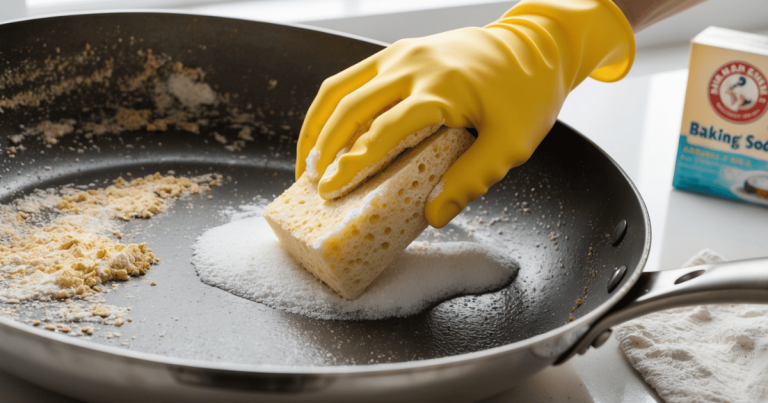
How do you remove stains from nylon cooking utensils?
For tough stains:
– Soak in warm, soapy water for 30 minutes
– Make a paste with baking soda and water
– Gently scrub the stained areas
– Rinse thoroughly
– Air dry completely