
Are Rice Cookers Toxic? A Science-Based Safety Guide for 2025
Are rice cookers toxic? This question landed in my inbox after I shared my own journey with rice cooker safety concerns. Did you know that Americans consume about 27 pounds of rice per person annually?
Like many of you, I used to wonder if my rice cooker was toxic while preparing those countless meals. As an engineer turned health advocate, I’ve spent hundreds of hours researching whether rice cookers are toxic, and this question keeps popping up in my inbox!
Let me tell you, when I first started investigating toxic rice cooker materials, I was shocked by some of my findings. The good news? Not all rice cookers are toxic, and there are definitely safe options available!
Today, I’m breaking down everything you need to know about rice cooker safety and toxicity, backed by solid research and practical experience. Whether you’re concerned about toxic materials in your current rice cooker or just want to ensure your next purchase is safe, you’re in the right place!
Key Takeaways: Are Rice Cookers Toxic?
Before we dive deep into the details, here are the essential points you need to know about rice cooker safety:
- Material Matters: Not all rice cookers are toxic – the safety depends primarily on the inner pot material. Stainless steel and certified ceramic are the safest options.
- Red Flags: Watch for peeling non-stick coatings, unusual odors during cooking, or metallic tastes in your food – these are signs your rice cooker might be releasing toxic materials.
- Safe Alternatives: High-quality stainless steel rice cookers (304 or 316 grade) are the least likely to leach toxic materials into your food.
- Maintenance Impact: Regular maintenance and proper care can prevent your rice cooker from becoming toxic over time. Inspect your cooker regularly for signs of wear.
- Temperature Effects: Even safe materials can become problematic if exposed to extremely high temperatures or rapid temperature changes. Follow manufacturer guidelines for temperature settings.
- Age Consideration: Replace non-stick rice cookers every 2-3 years with regular use, while high-quality stainless steel models can last much longer without becoming toxic.
Understanding Rice Cooker Materials and Their Safety
Through my research and testing different rice cookers in my own kitchen, I’ve learned that the inner pot material is absolutely crucial. Think about it – this is what’s in direct contact with your food for extended periods at high temperatures!
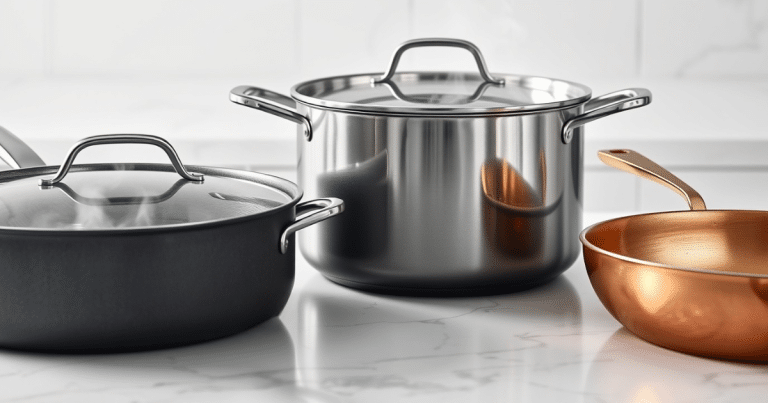
The most common materials you’ll find in rice cookers are:
Aluminum: Let me share a surprising discovery – while aluminum is lightweight and conducts heat well, it can leach into food, especially when cooking acidic ingredients.
I learned this the hard way when I made a tomato rice dish in my old aluminum pot and noticed a metallic taste. Research shows that aluminum exposure should be limited, though occasional exposure from cookware isn’t typically a major concern.
Stainless Steel: This is my personal favorite! After switching to a stainless steel rice cooker, I noticed a huge difference in durability and peace of mind. High-quality stainless steel (look for 304 or 316 grade) is incredibly stable and won’t leach harmful chemicals into your food. Yes, it’s usually more expensive, but trust me – it’s worth every penny for the safety and longevity.
Ceramic: Here’s something interesting – traditional ceramic cooking vessels have been used safely for thousands of years! Modern ceramic-coated rice cookers can be a great non-toxic option, but there’s a catch. You need to ensure it’s high-quality ceramic without lead or cadmium. I always recommend checking for California Prop 65 compliance when buying ceramic cookware.
The Truth About Non-Stick Coatings in Rice Cookers
Oh boy, this is where things get interesting! Non-stick coatings have made our lives easier, but at what cost? When I first learned about PTFE (commonly known as Teflon) off-gassing at high temperatures, I practically ran to my kitchen to check my rice cooker!
Here’s what you need to know about non-stick coatings:
PTFE (Teflon): While convenient, PTFE can release fumes when heated above 500°F (260°C). Now, rice cookers typically don’t reach these temperatures, but any scratches or peeling can lead to particles getting into your food.
Ceramic Non-Stick: This newer alternative is generally safer than PTFE. I switched to a ceramic-coated rice cooker three years ago and love it! The key is choosing one that’s free from PFAS (per- and polyfluoroalkyl substances). Look for terms like “PFOA-free” and “PTFE-free” when shopping.
What really opened my eyes was learning that even “safe” non-stick coatings have a lifespan. They don’t last forever, and when they start degrading, it’s time to replace them. I now have a six-month reminder on my phone to check my rice cooker’s coating for any signs of wear.
Safest Rice Cooker Materials: What to Look For
et me share what I’ve learned about the best materials:
Stainless Steel Champions: My top recommendation is always a high-quality stainless steel inner pot. Look for 304-grade (18/8) stainless steel – it’s the same material used in professional kitchens! While it might cost more initially, I’ve had my stainless steel rice cooker for five years now, and it still looks brand new.
Ceramic Safety Stars: If you’re considering ceramic, go for models with genuine ceramic inner pots, not just ceramic coating. Japanese rice cookers often use this technology, and some of them have been passed down through generations! The key is ensuring they’re certified lead-free and cadmium-free.
Glass Lid Benefits: Here’s a pro tip – if possible, choose a rice cooker with a glass lid rather than plastic. Not only can you monitor your rice without lifting the lid, but you also avoid any potential plastic chemicals leaching into the steam that recirculates into your food. This was a game-changer for me!

How to Use Your Rice Cooker Safely
Through trial and error (and yes, some kitchen failures!), I’ve developed some foolproof strategies for safe rice cooker use:
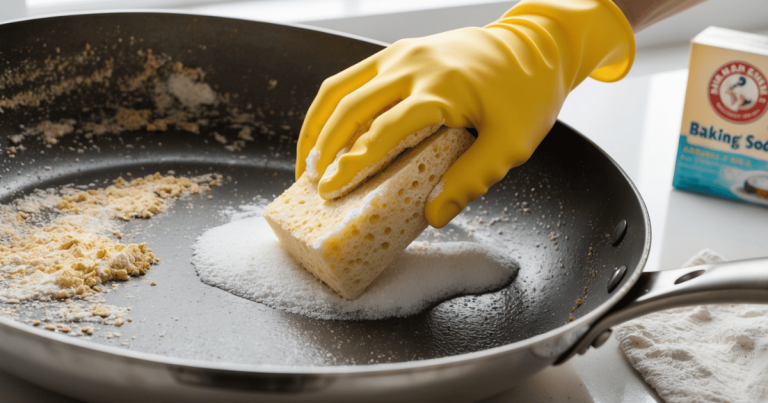
Proper Cleaning Protocol: I learned the hard way that harsh scrubbing can damage protective surfaces. Instead, I let my rice cooker cool completely, then soak it with warm water for 10-15 minutes. This makes cleanup a breeze without risking damage to the cooking surface.
Temperature Management: Here’s something many people don’t realize – rapid temperature changes can stress materials and potentially cause degradation. I always let my rice cooker cool naturally before cleaning, and I never add frozen ingredients directly to the pot.
Maintenance Schedule: I keep a simple maintenance routine: monthly deep cleaning, regular inspection of the coating or surface, and immediate investigation of any unusual smells or tastes. Prevention is always better than replacement!
Common Red Flags and What to Avoid
Let me share some warning signs I’ve learned to watch for:
Material Red Flags:
- Any peeling or flaking of the interior surface
- Discoloration or pitting of the metal
- Strong chemical smells during cooking
- Metallic taste in your rice
- Rust spots or corrosion
I once ignored some minor peeling in my old rice cooker, thinking it wasn’t a big deal. Big mistake! The peeling got worse quickly, and I realized I’d been potentially exposing my family to non-stick particles in our food.
Conclusion
Are rice cookers toxic? After spending countless hours researching this question, I can confidently say that while some rice cookers can be toxic, they don’t have to be!
The toxicity of rice cookers largely depends on their materials and how well you maintain them. Through my research and personal experience, I’ve found that by choosing the right materials (stainless steel or certified ceramic) and maintaining your cooker properly, you can enjoy perfectly cooked rice without worrying about toxic materials leaching into your food.
Remember, a quality, non-toxic rice cooker is an investment in your health. While safer options might cost more upfront, they’ll last longer and give you peace of mind with every meal.
If you’re concerned about whether your rice cooker is toxic, start by checking the material of your inner pot and looking for any signs of wear. Trust me, once you switch to a non-toxic rice cooker and understand what makes certain rice cookers toxic, you’ll never look back!
FAQs
Are all non-stick rice cookers toxic?
Not all non-stick rice cookers are toxic. Modern ceramic non-stick coatings and PFOA-free options are generally safe when used properly and replaced at signs of wear.
How often should I replace my rice cooker?
Replace your rice cooker if you notice any peeling, flaking, or significant scratching of the cooking surface. For non-stick cookers, this is typically every 2-3 years with regular use. Stainless steel models can last much longer.
Is stainless steel the safest rice cooker material?
Yes, high-quality stainless steel (304 or 316 grade) is considered one of the safest materials for rice cookers as it’s durable, non-reactive, and doesn’t leach chemicals into food.
Can rice cookers release harmful chemicals?
Some rice cookers, particularly those with damaged non-stick coatings or low-quality materials, can release harmful chemicals. Choose high-quality materials and maintain your cooker properly to minimize risks.
Are ceramic rice cookers better than stainless steel?
Both ceramic and high-quality stainless steel are excellent safe options. The choice often comes down to personal preference, budget, and cooking needs.